

Based on your book
Humanly Possible
by Bakewell, Sarah
Sarah Bakewell has written a sprawling, elegant biography of an idea: humanism. Instead of a dry academic survey, she traces how we have tried to make sense of our existence, morality, and place in the universe over the last seven centuries. The book moves through the lives of thinkers, writers, and scientists who wrestled with what it means to be a decent person in a world that often feels indifferent. The pacing is deliberate and conversational, making it feel less like a lecture and more like a long, late-night discussion with a very well-read friend. It is an ideal pick for anyone who finds themselves caught in an existential rut or simply wants to understand the intellectual scaffolding of modern secular life. You will walk away feeling a bit more connected to the history of our shared curiosity.
10 Books similar to 'Humanly Possible'
If the sweeping intellectual history of Humanly Possible resonated with you, these selections were curated to deepen your exploration of the human experience. We chose these titles because they share Bakewell's knack for blending rigorous scholarship with a narrative focus on the individual lives behind big ideas. Whether you are interested in the evolution of Western philosophy, the scientific breakthroughs of the Romantic era, or the practical application of ancient wisdom to modern struggles, these books offer a similar blend of historical insight and philosophical wonder that keeps the focus squarely on our enduring capacity for growth.
As an Amazon Associate, we earn from qualifying purchases.

Since readers of 'Humanly Possible' already appreciate Bakewell's unique ability to blend biography with philosophical inquiry, this earlier work is a natural next step. It offers an intimate, witty, and deeply human portrait of the man who arguably defined the humanist tradition, mirroring the same accessible yet scholarly tone.

Like 'Humanly Possible,' this book traces a pivotal intellectual history, focusing on how the rediscovery of an ancient text helped spark the Renaissance and modern humanism. It shares the same enthusiasm for the power of ideas to transform human consciousness across centuries.

Fans of Bakewell's broad survey of humanist thought will appreciate Russell's classic, sweeping narrative that contextualizes philosophers within their social and political times. It is similarly ambitious in scope, offering a comprehensive look at the evolution of human inquiry.

This book captures the same spirit of curiosity and scientific exploration that Bakewell highlights in her history of humanism. It focuses on the lives of Romantic-era scientists and poets, blending biographical storytelling with a deep appreciation for the human drive to understand the world.

Love to read on the go?
Explore Kindle e-readers and take your books with you.
As an Amazon Associate, we earn from qualifying purchases.

For those who enjoyed 'Humanly Possible,' this book provides a focused, vibrant look at a specific movement within the humanist tradition. It manages to make complex existentialist philosophy feel deeply personal, relatable, and historically grounded.

De Botton shares Bakewell's talent for making dense philosophical concepts practical and comforting for the modern reader. This book applies the wisdom of historical thinkers to everyday life struggles, mirroring the hopeful and human-centric approach of 'Humanly Possible.'
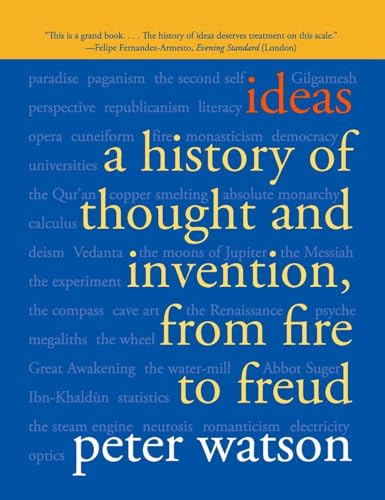
by Peter Watson
If you enjoyed the grand, panoramic view of human intellectual progress in 'Humanly Possible,' this book is the ultimate expansion. It maps the evolution of human ideas with a similar focus on how our thoughts have shaped our history and our future.

This book aligns with the humanist interest in understanding what it means to be human, exploring how our emotional vocabulary has changed over time. It is a witty, scholarly, and highly readable companion to the broader historical themes found in Bakewell's work.

Harari's work complements 'Humanly Possible' by providing a macro-historical framework for the human species. Fans of Bakewell will appreciate the big-picture synthesis of biology, history, and philosophy, all written with a sharp, engaging narrative voice.

Tarnas provides a rigorous yet accessible narrative of the development of Western thought, which serves as an excellent intellectual foundation for the humanist history Bakewell explores. It is an essential read for anyone interested in the trajectory of human inquiry and consciousness.

Not sure what they've already read?
Let them pick their next favorite with an Amazon Gift Card.
As an Amazon Associate, we earn from qualifying purchases.
As an Amazon Associate, we earn from qualifying purchases.