

Based on your book
I Can Say Eat!
by Cohen M.A. CCC-SLP CLC, Stephanie
I Can Say Eat! is a gentle, purposeful guide designed to bridge the gap between early communication and daily routines. Written by a speech-language pathologist, it moves away from abstract storytelling to focus on the functional power of language. The book turns mealtime into a low-pressure, interactive lesson, using rhythmic, repetitive phrasing that invites toddlers to find their voice. The atmosphere is warm and encouraging, stripping away the stress often associated with developmental milestones. Instead of feeling like a chore, reading this feels like a shared win between caregiver and child. It is a perfect fit for parents looking for practical tools to support language growth at home, or for anyone who values books that prioritize clear communication and connection over complex narratives. It is less about a plot and more about building confidence, one bite and one word at a time.
10 Books similar to 'I Can Say Eat!'
Since you enjoyed the practical, speech-focused approach of I Can Say Eat!, you might want to explore these other titles that turn reading into a developmental tool. We selected these books because they share that same rhythmic, predictable structure that makes language feel accessible and fun for little ones. Whether they are using counting, animal sounds, or simple questions to prompt a response, each of these picks prioritizes active engagement. They are ideal for caregivers who want to keep building vocabulary while maintaining a cozy, interactive reading ritual.
As an Amazon Associate, we earn from qualifying purchases.

by Eric Carle
Like 'I Can Say Eat!', this classic uses simple, repetitive language and a focus on food to engage young readers. Its interactive nature and clear, visual storytelling make it a perfect companion for early language development.
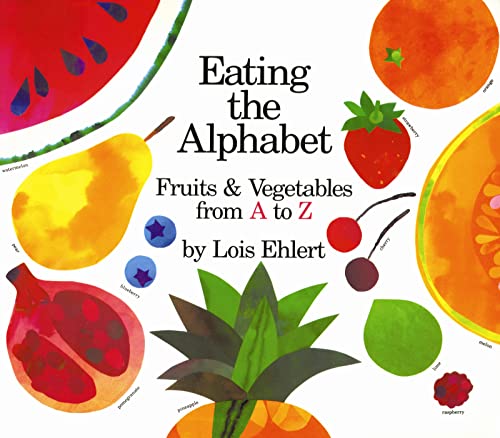
by Lois Ehlert
This book shares the educational focus on food and vocabulary building found in Cohen's work. It serves as a colorful, engaging tool for parents and speech therapists to expand a child's lexicon through familiar and exotic fruits and vegetables.

Fans of the repetitive, predictable sentence structures in 'I Can Say Eat!' will appreciate this staple of early childhood literacy. It utilizes the same rhythmic, question-and-answer format that encourages children to vocalize and participate.

This book employs rhythmic, repetitive text that is excellent for modeling speech patterns and emotional expression. It shares the same gentle, supportive tone that makes 'I Can Say Eat!' so effective for young learners.

Not sure what they've already read?
Let them pick their next favorite with an Amazon Gift Card.
As an Amazon Associate, we earn from qualifying purchases.

This story uses direct address to the reader, creating an interactive experience similar to Cohen's speech therapy-focused books. It is highly effective for building anticipation and encouraging verbal engagement.

by Rod Campbell
Much like 'I Can Say Eat!', this book is designed to be interactive, encouraging children to lift flaps and identify objects. The simple, repetitive structure is ideal for speech development and vocabulary reinforcement.

This book focuses on identifying emotions and actions through clear photography, mirroring the functional, real-world application of Cohen's work. It is an excellent resource for children learning to label their own experiences and needs.
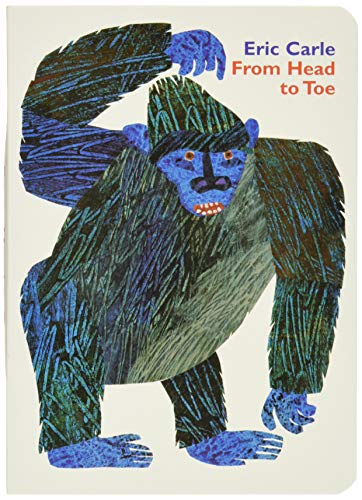
by Eric Carle
This book encourages physical movement alongside verbal repetition, making it a highly effective tool for speech-language development. It shares the same goal-oriented, interactive spirit as 'I Can Say Eat!' by turning reading into an active experience.

This book tackles a specific developmental milestone with the same practical, encouraging, and simple approach found in Cohen's work. It uses clear, straightforward language to guide children through a new, sometimes challenging, daily task.

by Dr. Seuss
The rhythmic, counting-based narrative provides a fun, structured way to practice speech sounds and vocabulary. It appeals to the same audience that enjoys the functional, educational, and repetitive nature of 'I Can Say Eat!'.

Prefer to listen?
Try Audible and hear the story instead of reading it.
As an Amazon Associate, we earn from qualifying purchases.
As an Amazon Associate, we earn from qualifying purchases.