

Based on your book
I Paint What I Want to See
by Guston, Philip
Philip Guston was an artist who never settled, constantly dismantling his own success to chase the truth of his internal landscape. I Paint What I Want to See is not a polite retrospective; it is a raw, often uncomfortable collection of his thoughts on the burden of creation. You get the sense of a man wrestling with the canvas, questioning why he paints, and agonizing over the morality of his own visual language. The writing is deeply introspective, shifting from analytical clarity to sudden, philosophical vulnerability. It feels like sitting in a dimly lit studio at 3:00 AM, listening to an old master confess his doubts. This book is for the reader who views art not as a luxury, but as a grueling, necessary search for identity. If you want to understand the psychological cost of self-reinvention, this is your text.
10 Books similar to 'I Paint What I Want to See'
Since you appreciate the way Guston uses his writing to interrogate the existential weight of the creative process, our curated list bridges the gap between technical theory and personal philosophy. We selected these titles because they mirror the same analytical rigor and raw, identity-driven honesty found in Guston’s essays. Whether you are exploring the historical burden of the artist through Vasari or the dark, sensory observations found in Camus, these books share that specific, contemplative atmosphere. They are essential companions for any reader interested in the messy, human intersection of life, morality, and the act of making.
As an Amazon Associate, we earn from qualifying purchases.

Like Guston's writings, these letters offer an unfiltered, intimate look into the mind of a master painter struggling with his craft, identity, and the existential weight of art-making. It provides a raw, deeply personal perspective on the creative process that mirrors Guston's own introspective voice.

by Ben Shahn
Shahn, a contemporary of Guston, provides profound insights into the social and personal responsibilities of the artist in a changing world. Readers who appreciate Guston's blend of aesthetic theory and personal philosophy will find Shahn's lectures equally illuminating and intellectually rigorous.
by Albert Camus
Guston's work is often marked by an existential tension, much like the writings of Camus. These notebooks capture the philosophical musings of an artist grappling with the absurdity of existence, resonating with the darker, more contemplative passages found in Guston's essays.

For readers fascinated by Guston's theoretical approach to perception and the history of representation, this classic text offers a deep dive into how we see and interpret images. It complements Guston's practical, painterly concerns with a broader, scholarly framework.

Prefer to listen?
Try Audible and hear the story instead of reading it.
As an Amazon Associate, we earn from qualifying purchases.

Delacroix’s journals are a touchstone for painters, documenting the intense labor and psychological toll of creating art. Guston enthusiasts will recognize the same dedication to the craft and the relentless self-critique that defined the Romantic era's greatest painters.

by Susan Sontag
Guston often grappled with the morality of representation and the depiction of violence in art, themes central to Sontag's critical work. This book challenges the reader to think deeply about the ethics of looking, a core concern in Guston's later, more figurative paintings.
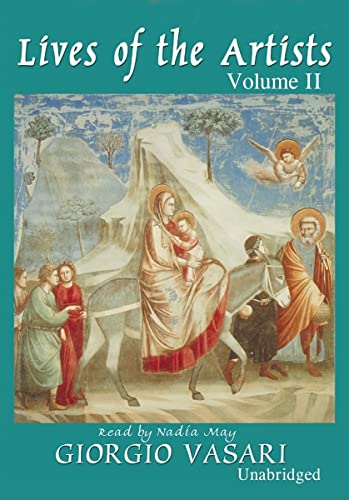
As one of the foundational texts on the lives of painters, this book provides the historical context that Guston often referenced in his own lectures. It offers a look at the 'mythology' of the artist, which Guston both embraced and deconstructed in his career.

by Irving Stone
While a biographical novel, this book captures the obsessive, transformative nature of the artistic life that Guston lived. It explores the 'agony' of creation, a sentiment that permeates Guston's own reflections on his painting process.

by Eric Protter
This anthology collects the thoughts of various masters on their own work, providing a chorus of voices that echoes Guston's own desire to articulate the 'why' behind the brushstroke. It is an essential companion for anyone interested in the artist's statement as a form of art itself.

by Mark Rothko
Rothko and Guston shared a deep, often tumultuous friendship and a commitment to the transformative power of abstraction. Reading Rothko's own thoughts on his work reveals the same spiritual and existential intensity that drove Guston to constantly reinvent his style.
Love to read on the go?
Explore Kindle e-readers and take your books with you.
As an Amazon Associate, we earn from qualifying purchases.
As an Amazon Associate, we earn from qualifying purchases.