

Based on your book
If We Burn
by Bevins, Vincent
If We Burn is a cold-eyed autopsy of the protest movements that defined the 2010s. Vincent Bevins travels across continents to investigate why so many massive, leaderless uprisings managed to topple governments or occupy squares, only to result in outcomes that were, at best, disappointing and, at worst, disastrous. The book moves with the pace of a global thriller but carries the heavy, analytical weight of a post-mortem. You will not find idealistic cheerleading here; instead, you get a sober, sometimes painful look at the mechanics of power and the strategic failures that occur when a movement lacks a clear successor to the status quo. It is an essential read for anyone who has stood in a protest line and wondered why the energy of the crowd so often dissipates into political paralysis.
10 Books similar to 'If We Burn'
If this investigation into the anatomy of failure resonated with you, these titles will help you map the broader landscape of modern political upheaval. We curated this list to bridge the gap between historical precedent and current systemic rot. Whether you are curious about the empirical data behind civil resistance, the psychological roots of revolution, or the technological forces shaping our political behavior, these books expand on the same themes of power dynamics and structural change. They move beyond the surface level of headlines to help you understand how movements gain, lose, and are ultimately denied their potential.
As an Amazon Associate, we earn from qualifying purchases.
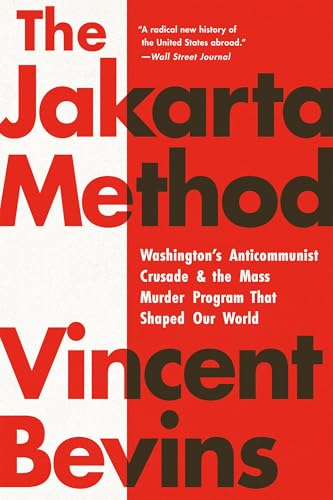
Written by the same author, this book provides essential context to Bevins' later work by examining the history of US-backed anti-communist mass killings. Readers who appreciate the meticulous research and critical geopolitical analysis in 'If We Burn' will find this equally gripping and eye-opening.

by Erica Chenoweth and Maria J. Stephan
This foundational text provides the empirical backbone for many of the discussions surrounding protest efficacy found in Bevins' work. It is a must-read for anyone interested in the strategic success—or failure—of mass movements throughout history.

by Naomi Klein
Klein explores how crises are exploited to push through radical economic agendas, offering a similar systemic critique to Bevins' analysis of how protest movements are often co-opted or dismantled. It shares the same urgent, investigative tone and broad scope.

by Saul Alinsky
As a classic manual for community organizing, this book serves as a perfect counterpoint to the 'leaderless' movements Bevins analyzes in 'If We Burn.' Readers will appreciate comparing Alinsky's tactical pragmatism with the modern, decentralized protest models Bevins critiques.

Not sure what they've already read?
Let them pick their next favorite with an Amazon Gift Card.
As an Amazon Associate, we earn from qualifying purchases.

Zuboff examines the digital infrastructure that shapes modern political behavior and social movements, providing the technological context that Bevins touches upon regarding social media's role in protests. It is a complex, deeply researched look at the forces shaping our current era.

This book uncovers the deep-seated political strategies used to undermine democratic institutions, echoing Bevins' concerns about how movements are neutralized from within or without. It provides a sobering, well-researched look at the mechanics of political power.

by Frantz Fanon
A seminal text on the psychology of colonization and the necessity of revolutionary change, Fanon's work provides the philosophical weight behind many of the movements Bevins discusses. It is essential reading for understanding the human cost and the radical impulses behind global uprisings.

Graeber's work offers a brilliant, critical look at the structures of modern society, sharing the same skeptical, anti-establishment spirit found in Bevins' analysis of modern protest failures. It is both intellectually stimulating and deeply concerned with the state of human agency.

Arendt’s classic analysis of how movements rise and fall remains incredibly relevant to the political volatility Bevins explores in 'If We Burn.' Her ability to dissect the mass psychology behind political shifts is a perfect companion to Bevins' journalistic approach.

by Steven Levitsky and Daniel Ziblatt
This book provides a complementary perspective on the fragility of democratic systems, focusing on the institutional erosion that often precedes or follows the protest movements Bevins investigates. It is a vital, sobering read for anyone concerned with the future of global politics.

Prefer to listen?
Try Audible and hear the story instead of reading it.
As an Amazon Associate, we earn from qualifying purchases.
As an Amazon Associate, we earn from qualifying purchases.