
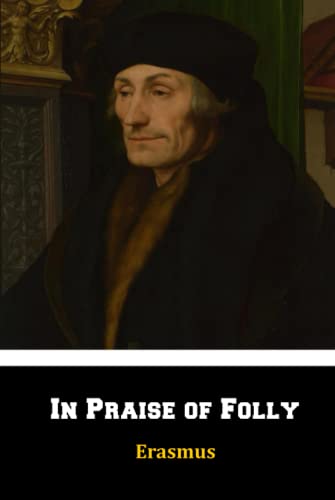
Based on your book
In Praise of Folly
by of Rotterdam, Erasmus
Erasmus pulls a brilliant bait-and-switch by having Folly herself take the podium to deliver a lecture on why she is the true engine of human happiness. Rather than a dry philosophical treatise, this is a sharp, ironic monologue that exposes the absurdity of scholars, priests, and monarchs alike. The tone is playful yet intellectually brutal, creating an atmosphere where laughter serves as a vehicle for uncomfortable truths. You are not reading a lecture; you are eavesdropping on a witty, slightly unhinged genius who finds the human condition hilarious. It is a dense, rewarding experience that requires a bit of patience with 16th-century rhetorical flourishes, but it pays off with moments of biting clarity. This book is for the reader who enjoys intellectual gamesmanship and is willing to laugh at the pretensions of society, including their own.
10 Books similar to 'In Praise of Folly'
If the sharp wit and moral skepticism of Erasmus left you wanting more, these selections expand on the tradition of the outsider as a cultural critic. We have curated these works to highlight the intersection of satire and existential inquiry, ranging from the grotesque social critiques of Rabelais to the introspective philosophy of Montaigne. Whether you are interested in the political pragmatism of Machiavelli or the biting irony of Swift, these books share that essential humanist impulse to hold a mirror up to society and point out exactly where it is cracked.
As an Amazon Associate, we earn from qualifying purchases.
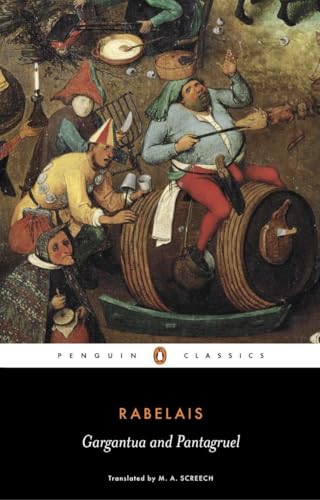
Sharing the Renaissance spirit of biting satire and humanist wit, Rabelais uses grotesque humor and absurdity to critique the social and religious institutions of his time, much like Erasmus. It is a masterpiece of intellectual comedy that challenges the reader to look past the surface of societal norms.

by Thomas More
Written by Erasmus's close friend and contemporary, this work serves as the perfect companion piece to 'In Praise of Folly' by offering a structured, philosophical critique of European society. It employs a similar intellectual rigor to dissect politics and human behavior through a fictional lens.

by Voltaire
This classic satire ruthlessly dismantles the optimistic philosophies of the Enlightenment, mirroring the way Erasmus dismantled the pretensions of his own era's scholars and clergy. It is a fast-paced, witty, and deeply cynical journey that forces the reader to question the nature of the world.

by J. Hector St. John de Crèvecœur
While distinct in setting, this collection shares the observational, essayistic quality of Erasmus's work, using a distinct persona to critique and analyze the cultural and political structures of a new society. It offers a reflective look at human nature and identity that resonates with the humanist tradition.

Prefer to listen?
Try Audible and hear the story instead of reading it.
As an Amazon Associate, we earn from qualifying purchases.

While Erasmus focused on the folly of human nature, Machiavelli focused on the pragmatism of power, making them two sides of the same Renaissance coin. Reading them together provides a comprehensive view of the intellectual landscape of the 16th century, exploring the tension between morality and political necessity.

Montaigne's essays embody the same spirit of inquiry and skepticism that Erasmus championed, focusing on the subjective experience of the self within a complex world. His conversational, wandering style invites the reader to engage in the same kind of deep, critical reflection found in 'In Praise of Folly'.

Swift is the spiritual successor to Erasmus in the art of using irony and satire to expose the cruelty and absurdity of societal policies. This short but devastating work shares the same 'vibe' of using a preposterous premise to deliver a biting critique of the ruling class.

For those who enjoyed the primary text, exploring Erasmus's other writings provides essential context for his broader humanistic project and his critiques of the church. These works solidify his reputation as a master of rhetoric and a pioneer of intellectual independence.

Gibbon's massive work shares the dry, ironic, and highly analytical tone that readers of Erasmus often appreciate, particularly in his critiques of religious and political institutions. It is a grand, intellectual undertaking that treats history with the same skeptical eye Erasmus applied to his own time.

Though written centuries later, this book captures the same feeling of an alienated, intelligent individual critiquing the 'rational' society around them. The narrator's biting, self-aware, and often contradictory voice will feel familiar to anyone who appreciated the complex, ironic narrative of 'In Praise of Folly'.

Love to read on the go?
Explore Kindle e-readers and take your books with you.
As an Amazon Associate, we earn from qualifying purchases.
As an Amazon Associate, we earn from qualifying purchases.