

Based on your book
In the name of science
by NIEBURG, H.L.
Nieburg takes a cold, hard look at the marriage between American government and scientific research, arguing that the pursuit of progress has been quietly hijacked by private interests. He dismantles the myth of the objective scientist, showing how the contract state prioritizes military and industrial goals over the public good. The prose is dense and academic but carries a sharp, urgent edge that makes you question the neutrality of every lab coat and government grant. It is not an easy read, but it is deeply rewarding for those who suspect that power is rarely as transparent as it claims to be. If you find yourself constantly peeling back the layers of political rhetoric to find the money trail, this book will feel like a long-overdue conversation with a cynical, well-informed mentor.
10 Books similar to 'In the name of science'
Since Nieburg focuses on the institutional capture of knowledge, we have curated a list that follows those same threads of systemic corruption and technocratic overreach. Whether you are interested in the military-industrial complex or the way private wealth dictates public policy, these selections bridge the gap between abstract political theory and historical reality. We chose these titles because they echo that specific, unsettling feeling of realizing the deck is stacked. They move from the Cold War origins of institutional bias to the modern-day weaponization of doubt, providing a complete map of how science serves power.
As an Amazon Associate, we earn from qualifying purchases.

Like Nieburg's work, this collection exposes the intricate and often deceptive relationship between government policy, military strategy, and public transparency. Readers interested in the unchecked power of the military-industrial complex will find this essential and chilling reading.

Mills provides a foundational sociological analysis of the interlocking power structures in America, mirroring Nieburg's critique of how science and government institutions merge. It is a dense, intellectual examination of the forces shaping modern society.

This book offers a masterful narrative investigation into the hubris of the policymakers who led the U.S. into Vietnam, sharing Nieburg's concern with how technocratic expertise can lead to disastrous policy outcomes. It bridges the gap between political history and institutional critique.

by Neil Postman
Postman explores the consequences of allowing technology and scientific management to dominate culture, a thematic cousin to Nieburg's exploration of the 'contract state.' It challenges the reader to question the hidden costs of scientific progress.

Not sure what they've already read?
Let them pick their next favorite with an Amazon Gift Card.
As an Amazon Associate, we earn from qualifying purchases.

by Naomi Klein
Klein investigates how crises are exploited to push through unpopular political and economic agendas, echoing Nieburg's concerns about the privatization of public interests. It is a deeply researched, provocative look at the intersection of power, money, and policy.
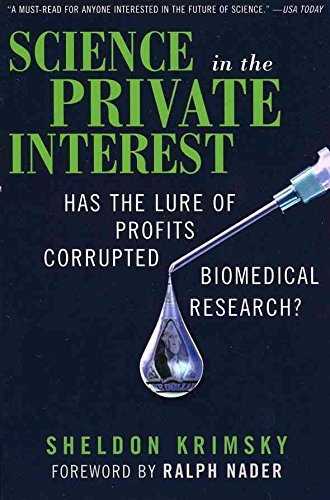
Krimsky directly addresses the privatization of scientific research and the erosion of public trust, making it a modern spiritual successor to Nieburg's classic analysis. It provides a detailed look at the ethical compromises inherent in modern scientific funding.

by Noam Chomsky
This collection examines how the university system became an arm of the military-industrial complex during the Cold War, directly expanding on the themes Nieburg pioneered regarding the corruption of scientific inquiry. It is essential for understanding the institutionalization of research.

by Jane Mayer
Mayer traces the history of how hidden wealth has influenced American politics, providing a contemporary lens through which to view the institutional capture described by Nieburg. It is a gripping, investigative look at the mechanics of political influence.

While broader in scope, Shirer's work provides a terrifying look at how state-sponsored science and technology were weaponized to serve totalitarian ends, a cautionary tale that resonates with Nieburg's warnings about the 'contract state.' It is a definitive historical account of institutional failure.
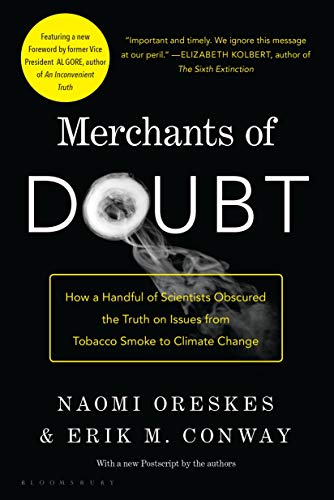
by Naomi Oreskes and Erik M. Conway
This book reveals how a small group of scientists obscured the truth on issues like tobacco and climate change, illustrating the dangers of scientific expertise being bought by special interests. It perfectly complements Nieburg's examination of science's role in public policy.

Prefer to listen?
Try Audible and hear the story instead of reading it.
As an Amazon Associate, we earn from qualifying purchases.
As an Amazon Associate, we earn from qualifying purchases.