
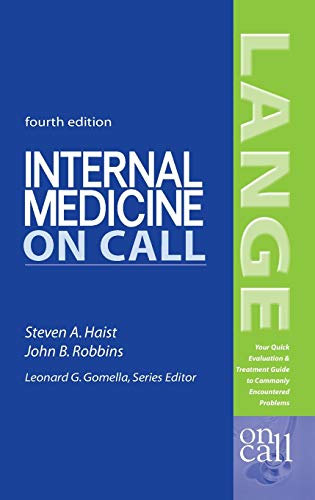
Based on your book
Internal Medicine On Call
by HAIST
Internal Medicine On Call is less of a textbook and more of a tactical manual for survival during the most grueling hours of a medical residency. It drops you directly into the high-stakes, sleep-deprived reality of the hospital floor, where every decision carries weight and the clock is always working against you. The writing is clinical, stripped-down, and urgent, mirroring the mental state of a doctor managing a sudden crisis. It captures the tension of diagnostic puzzles and the quiet, crushing pressure of moral dilemmas that arise when you are the only one standing between a patient and a disaster. This is for readers who want to understand the raw mechanics of medical training, those who find satisfaction in systematic problem-solving, and anyone fascinated by the reality of what happens behind the closed doors of an ICU at three in the morning.
10 Books similar to 'Internal Medicine On Call'
When you finish Internal Medicine On Call, you likely want to explore the culture that demands such relentless intensity. We selected these titles because they bridge the gap between technical expertise and the human toll of the profession. Whether through the satirical cynicism of The House of God or the reflective, philosophical weight of When Breath Becomes Air, these books examine the survival instincts and ethical hurdles inherent in medical practice. They move beyond the clinical protocols to reveal the adrenaline, the moral exhaustion, and the profound, life-altering responsibility that defines a career in medicine.
As an Amazon Associate, we earn from qualifying purchases.

by Samuel Shem
This satirical classic captures the brutal, chaotic, and often absurd reality of medical residency, mirroring the high-pressure environment found in 'Internal Medicine On Call.' It provides a raw, unflinching look at the toll clinical training takes on young doctors.

by Atul Gawande
Gawande bridges the gap between clinical instruction and narrative storytelling, offering a behind-the-scenes look at the uncertainty inherent in medical practice. Readers who appreciate the practical wisdom of Haist will value Gawande's analytical and humble approach to medicine.
This novel captures the visceral, adrenaline-fueled experience of being on call in a major hospital, focusing on the steep learning curve and ethical challenges of residency. It serves as a narrative companion to the technical skills required in 'Internal Medicine On Call.'

While more philosophical than a clinical guide, this memoir explores the transition from doctor to patient, offering a profound perspective on the medical training and life-and-death stakes that Haist’s book prepares students to face. It provides the 'why' behind the 'how' of medical practice.

Prefer to listen?
Try Audible and hear the story instead of reading it.
As an Amazon Associate, we earn from qualifying purchases.

Jauhar’s memoir provides a stark, honest account of the grueling reality of an internship year, echoing the same high-stakes, sleep-deprived environment that 'Internal Medicine On Call' aims to navigate. It is essential reading for understanding the human cost of medical training.

by Oliver Sacks
For readers who appreciate the clinical observation and diagnostic focus of Haist, Sacks offers a fascinating look at the complexities of neurology. It transforms the analytical nature of medical practice into compelling, human-centered narratives.

by Neil Strauss
Though focused on survivalism rather than traditional medicine, this book taps into the 'on-call' mentality of being prepared for any disaster or medical emergency. It shares the same high-intensity, practical, and problem-solving focus found in Haist's guide.

by Tracy Kidder
This biography of Dr. Paul Farmer examines the intersection of global health, infectious disease, and relentless medical dedication. It is an inspiring look at the impact a single physician can have, appealing to the professional drive found in Haist’s readers.

McCarthy provides a humorous and relatable look at the transition from medical student to intern, capturing the mix of terror and competence that defines the 'on-call' experience. It balances the technical demands of medicine with the humanity of the doctor.

This essential, rigorously researched work provides the historical context for medical ethics and systemic issues in healthcare. It challenges the reader to look beyond the clinical 'how-to' and consider the broader societal implications of medical practice.

Love to read on the go?
Explore Kindle e-readers and take your books with you.
As an Amazon Associate, we earn from qualifying purchases.
As an Amazon Associate, we earn from qualifying purchases.