

Based on your book
Introducing the Apocrypha
by David A. deSilva
If you've ever found yourself curious about the books that bridge the Old and New Testaments – the ones often left out of modern Bibles – David A. deSilva's "Introducing the Apocrypha" offers a thorough and engaging exploration. This isn't a quick survey; it's a meticulously researched historical deep dive, unraveling the context, messages, and enduring significance of these often-overlooked texts. The reading experience feels like attending a stimulating university seminar, where complex historical and theological ideas are presented with remarkable clarity and intellectual rigor. You'll gain a profound understanding of the cultural clashes and power dynamics that shaped this pivotal era, feeling a sense of discovery as you connect ancient writings to broader historical currents. This book is for the intellectually curious reader who craves a comprehensive, analytical journey through a vital, often-misunderstood corner of religious history.
10 Books similar to 'Introducing the Apocrypha'
If deSilva's "Introducing the Apocrypha" sparked your interest in the fascinating intertestamental period, our curated list will help you continue your intellectual journey. We've chosen these books because they share deSilva's commitment to historical deep dives and cultural analysis, exploring the complex power dynamics and religious evolution of the era. Whether you want to delve deeper into the textual intricacies of the Apocrypha itself, understand the broader Jewish context, or explore similar 'hidden' texts like the Dead Sea Scrolls, these recommendations provide scholarly yet accessible paths to expand your knowledge of this pivotal historical period and the formation of the biblical canon.
As an Amazon Associate, we earn from qualifying purchases.
Like deSilva, Viviano provides a scholarly yet accessible entry point into the deuterocanonical books, focusing on the historical context of the Second Temple period. It is an excellent companion for those seeking a concise, academic overview of these texts' literary and theological significance.
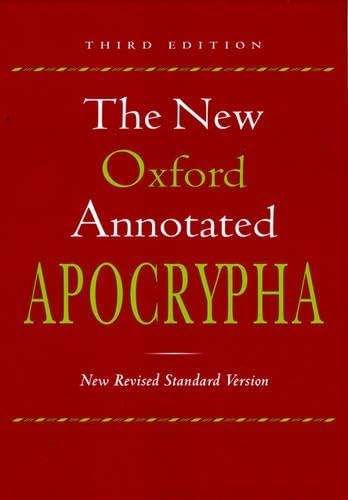
This is the gold standard for readers who appreciated deSilva's textual analysis and want to dive deeper into the primary sources with expert commentary. It offers the same level of rigorous historical-critical scholarship while providing essential background on the Jewish diaspora.

While broader in scope, Telushkin’s work mirrors deSilva’s ability to synthesize complex religious history into engaging narratives. It provides the necessary cultural and historical backdrop of Jewish life and thought that informs the writing of the Apocrypha.

by Michael O. Wise, Martin G. Abegg Jr., and Edward M. Cook
Readers interested in the intertestamental period and the formation of the biblical canon will find this translation essential. It shares the same academic 'vibe' as deSilva's work, uncovering the hidden religious landscape of the Second Temple era.

Love to read on the go?
Explore Kindle e-readers and take your books with you.
As an Amazon Associate, we earn from qualifying purchases.

Kugel explores the differences between ancient interpretations and modern scholarship, much like deSilva’s examination of how the Apocrypha was used by early Christians. It is highly intellectual and challenges the reader to look at familiar texts through a historical lens.

by Amy-Jill Levine and Marc Zvi Brettler
This book provides the Jewish context for the New Testament, which is exactly what deSilva does for the Apocrypha. It highlights the shared vocabulary and theological concepts that bridge the two testaments, appealing to the same scholarly curiosity.

Roetzel focuses on the social and political environment of the Greco-Roman world, providing the same 'world-building' context that deSilva offers for the Apocryphal writings. It is an essential read for understanding the pressures facing religious minorities in antiquity.
This book covers the exact historical timeframe of the Apocrypha with a similar academic rigor. Fans of deSilva will appreciate Murphy's clear prose and his ability to explain the evolution of Jewish thought during the Hellenistic period.

For those who enjoyed deSilva's exploration of 'hidden' books, Charlesworth’s work on the Pseudepigrapha is the logical next step. It deals with similar themes of apocalypticism and wisdom literature that are not found in the standard Protestant canon.

by Emil Schürer
Though an older classic, this work remains a foundational text for the historical study of the era deSilva describes. It provides an exhaustive, gritty look at the political and social structures that birthed the Apocryphal literature.

Not sure what they've already read?
Let them pick their next favorite with an Amazon Gift Card.
As an Amazon Associate, we earn from qualifying purchases.
As an Amazon Associate, we earn from qualifying purchases.