

Based on your book
Introduction to Computing Systems
by Patt, Yale
Patt and Patel take you on a rigorous journey that starts with the humble bit and ends with the complex architecture of a functional computer. This is not a casual read; it is a meticulously structured climb that strips away the magic of modern technology to reveal the logical, layered reality beneath. The pacing is deliberate, forcing you to master one level of abstraction before moving to the next, which creates a deep sense of intellectual satisfaction as the pieces finally lock together. You will feel the weight of the engineering history behind every gate and instruction set. If you are the kind of person who needs to know exactly how a machine thinks rather than just how to use it, this book provides the foundational clarity you are looking for. It is essential for anyone serious about understanding the machine from the ground up.
10 Books similar to 'Introduction to Computing Systems'
Since you appreciate the bottom-up logic found in Patt, these selections were curated to bridge the gap between abstract theory and tangible systems. We chose these titles because they mirror that same intellectual quest to demystify complex architecture, whether through the historical narrative of engineering teams or the hands-on construction of logic gates. If you found the shift from hardware to software particularly compelling, these books will help you explore the next layer of the stack, turning your newfound foundational knowledge into a broader understanding of how systems actually function in the real world.
As an Amazon Associate, we earn from qualifying purchases.

Like Patt's work, this book masterfully deconstructs complex computing concepts into accessible, foundational building blocks. It shares the same bottom-up pedagogical approach, making it an essential companion for anyone wanting to understand how computers actually work from the ground up.

by Noam Nisan and Shimon Schocken
This book acts as a practical project-based counterpart to Patt's textbook, guiding readers through the actual construction of a computer from logic gates to a game like Tetris. It mirrors the 'from bits to beyond' philosophy, providing a hands-on experience that solidifies theoretical knowledge.

by Randal E. Bryant and David R. O'Hallaron
For those who appreciated the technical depth and systems-level focus of Patt, this book offers a rigorous follow-up that bridges the gap between hardware architecture and software execution. It maintains the same academic precision and focus on how low-level hardware impacts high-level code.

Tanenbaum provides a classic, layered approach to computer architecture that complements Patt's methodologies perfectly. It is highly respected for its clear, structured explanations of how various levels of a computer system interact, making it a staple for any serious student of the field.

Prefer to listen?
Try Audible and hear the story instead of reading it.
As an Amazon Associate, we earn from qualifying purchases.
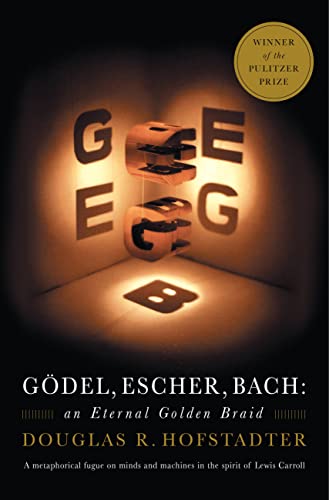
While more philosophical than a standard textbook, this masterpiece explores the nature of systems, logic, and self-reference in a way that resonates with the intellectual curiosity of computer architecture students. It connects the 'bits and gates' of reality to higher-order consciousness.

by David Harris and Sarah Harris
This text shares the same goal as Patt's: demystifying the hardware-software interface through clear, logical progression. It is praised for its modern approach and readability, making it an excellent alternative or supplement for understanding the transition from gates to processors.

by Tracy Kidder
This Pulitzer Prize-winning book provides the narrative context for the hardware described in textbooks like Patt's. It documents the intense, high-stakes engineering process of building a new computer, offering a human perspective on the technical challenges of systems design.

by John L. Hennessy and David A. Patterson
Considered the gold standard for advanced computer architecture, this book takes the foundational knowledge established in Patt's text and applies it to high-performance system design. It is the natural next step for readers who want to master the quantitative aspects of computing systems.

If you enjoyed the 'from bits to beyond' aspect of Patt but want a more stripped-down, conceptual overview, this book is an excellent choice. It focuses on the fundamental logic of computing without getting bogged down in complex academic notation.

by Abraham Silberschatz, Peter B. Galvin, and Greg Gagne
Once you understand the hardware architecture from Patt, the next logical step is understanding how software manages that hardware, which this book covers comprehensively. It is the definitive text for understanding the layer that sits directly on top of the systems Patt describes.

Love to read on the go?
Explore Kindle e-readers and take your books with you.
As an Amazon Associate, we earn from qualifying purchases.
As an Amazon Associate, we earn from qualifying purchases.