

Based on your book
Introduction to Probability
by Joseph K. Blitzstein
Joseph K. Blitzstein's "Introduction to Probability" isn't just a textbook; it's an invitation to an intellectual adventure. Drawn from celebrated Harvard lectures, this book meticulously unpacks the often-mystifying world of randomness and uncertainty, revealing the elegant mathematical structures that govern everything from everyday coincidences to complex algorithms like Google PageRank. Reading it feels like gaining a powerful new lens, one that clarifies the hidden mechanics behind the seemingly unpredictable. It's a challenging but deeply rewarding experience, moving at a considered pace that allows you to truly grasp each concept before building on it. This book is for the curious mind eager for self-improvement, for anyone who wants to peer "behind the scenes" of the world and understand the subtle interplay between fate and free will through a rigorous, analytical framework.
10 Books similar to 'Introduction to Probability'
If Blitzstein's rigorous exploration of probability felt like unlocking a secret language, then our recommendations will continue that journey of intellectual discovery. We've gathered books that further demystify the "behind the scenes" workings of randomness and data, offering both foundational rigor and accessible explanations. You'll find titles that push your "analytical" thinking, exploring the profound implications of chance on everything from human decision-making to market predictions. These selections are for readers who appreciate deeply "thought-provoking" content and are committed to continuous "self-improvement" in understanding the complex, probabilistic world around us.
As an Amazon Associate, we earn from qualifying purchases.

by Sheldon Ross
This is a classic, rigorous textbook that offers a comprehensive and foundational treatment of probability theory. Fans of Blitzstein/Hwang will appreciate its clear mathematical exposition and problem-solving focus, providing a solid alternative or complementary perspective on core concepts.

Wheelan makes complex statistical concepts accessible and engaging, much like Blitzstein/Hwang aim to do with probability. Readers will enjoy the clear explanations, real-world examples, and the emphasis on understanding the practical applications and implications of data.
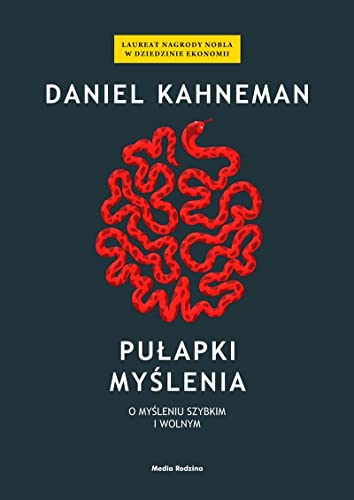
While not a textbook, Kahneman's work delves deep into cognitive biases and decision-making under uncertainty, heavily relying on probabilistic and statistical reasoning. Readers will find the rigorous analysis and thought-provoking insights into human judgment highly complementary to their understanding of probability.

Mlodinow offers an engaging and accessible exploration of probability and randomness, illustrating its profound impact on everyday life, science, and history. Fans of Blitzstein/Hwang will appreciate the clear explanations of complex ideas and the compelling real-world applications.

Not sure what they've already read?
Let them pick their next favorite with an Amazon Gift Card.
As an Amazon Associate, we earn from qualifying purchases.

Taleb challenges conventional wisdom about luck, skill, and probability, offering a provocative and deeply analytical perspective on how randomness shapes our world. Readers who appreciate rigorous, critical thinking about probabilistic outcomes will find this book intellectually stimulating.

by Nate Silver
Silver explores the art and science of prediction, delving into how we use data, probability, and statistical models to forecast future events. This book offers a practical and analytical look at applying probabilistic thinking to real-world problems, much like the spirit of Blitzstein/Hwang.
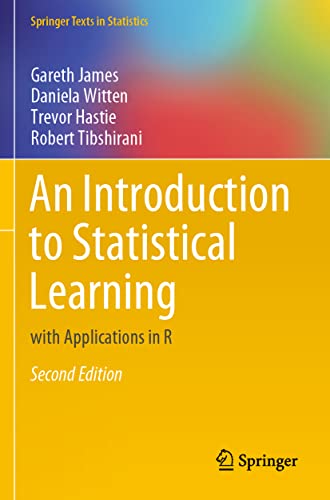
by Gareth James, Daniela Witten, Trevor Hastie, Robert Tibshirani
This book serves as an excellent practical follow-up for those with a strong foundation in probability and statistics, focusing on modern statistical learning techniques. Readers will appreciate its clear explanations, practical applications, and R implementations, building directly on the theoretical groundwork.

Morin provides a highly accessible yet comprehensive introduction to probability, designed to build intuition and understanding through clear explanations and numerous examples. This book offers a slightly gentler but equally thorough approach to the subject, appealing to those who enjoyed Blitzstein/Hwang's pedagogical clarity.

Building on themes from 'Fooled by Randomness,' Taleb explores the profound impact of rare, unpredictable events, challenging our understanding of probability and risk. Readers will find his rigorous and philosophical examination of uncertainty a compelling extension of their probabilistic studies.

Ellenberg demonstrates how mathematical thinking, including probabilistic reasoning, can illuminate and solve problems across various aspects of life. Fans of Blitzstein/Hwang will appreciate the clear, engaging explanations of mathematical concepts and their practical, real-world applications.

Prefer to listen?
Try Audible and hear the story instead of reading it.
As an Amazon Associate, we earn from qualifying purchases.
As an Amazon Associate, we earn from qualifying purchases.