

Based on your book
Invisible Cities
by Italo Calvino
Invisible Cities isn't a story you read; it's a conversation you overhear between Marco Polo and Kublai Khan about places that might exist only in the imagination. Each of the many cities Marco describes is a poetic meditation on memory, desire, signs, and the very fabric of existence, revealing more about the observer than the observed. Calvino crafts a deeply lyrical and atmospheric experience, where each description feels like a philosophical riddle wrapped in a beautiful dream. The book encourages a quiet, reflective pace, inviting you to ponder what truly defines a city, what constitutes a life, and how we perceive the world around us. This is a perfect fit for readers who cherish elegant, thought-provoking prose, enjoy a meditative journey, and appreciate literature that expands their understanding of reality and the art of storytelling.
10 Books similar to 'Invisible Cities'
For those who found themselves captivated by Calvino's lyrical explorations of memory, perception, and the existential weight of places, our selections offer further intellectual adventures. We've chosen books that similarly delve into multiple perspectives and cultural analysis through inventive narrative structures. These titles share that thought-provoking, philosophical depth and atmospheric beauty, inviting you to reflect on the rise and fall of civilizations, the power dynamics at play in human society, and the very nature of reality itself, all while enjoying truly distinctive prose.
As an Amazon Associate, we earn from qualifying purchases.

This novel is presented as an encyclopedia, offering multiple, often contradictory, entries on the history of the Khazars. Its non-linear, fragmented structure, intellectual playfulness, and exploration of history, myth, and the nature of truth through various perspectives will deeply resonate with readers who appreciate Calvino's imaginative and philosophical approach to cities and storytelling.

Borges's collection of short stories masterfully blends philosophy, fantasy, and meta-fiction, creating labyrinthine narratives that question the nature of reality, knowledge, and authorship. Fans of Calvino's intellectual puzzles and the exploration of infinite possibilities within contained forms will find immense satisfaction in Borges's precise and imaginative prose.

This unique novel presents two distinct cities that physically occupy the same space but are perceived as separate entities by their inhabitants, who are trained to 'unsee' the other. Its profound exploration of perception, urbanism, and the construction of reality offers a modern, genre-bending parallel to Calvino's meditations on the invisible aspects and conceptual frameworks of cities.

As another masterpiece by Calvino himself, this novel is a meta-fictional exploration of the act of reading and storytelling, presenting ten different first chapters of imagined books. Its experimental structure, intellectual humor, and profound reflection on narrative possibilities make it an essential read for anyone who loved the imaginative and philosophical games of 'Invisible Cities'.

Not sure what they've already read?
Let them pick their next favorite with an Amazon Gift Card.
As an Amazon Associate, we earn from qualifying purchases.

by W.G. Sebald
This melancholic and contemplative work, blurring the lines between fiction, travelogue, and essay, follows a narrator's walking tour through Suffolk, England, intertwining observations with historical digressions on memory, decay, and the human condition. Its lyrical prose, fragmented structure, and deep reflection on places and their histories offer a similar atmospheric and intellectual journey to Calvino's cities.
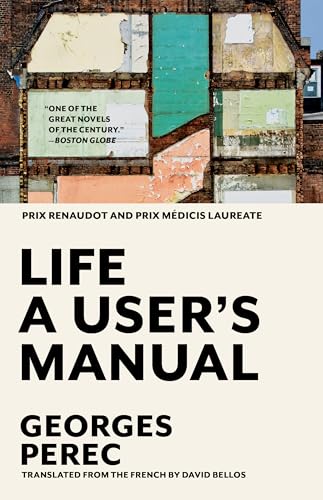
This monumental novel meticulously describes the inhabitants and contents of a Parisian apartment building, organized by a complex set of constraints, revealing an intricate tapestry of interconnected lives and objects. Its structural ingenuity, encyclopedic detail, and profound exploration of human existence within a defined space will appeal to readers fascinated by Calvino's precise and imaginative world-building.

This epic novel, a cornerstone of magical realism, chronicles several generations of the Buendía family in the mythical town of Macondo, which itself evolves and reflects the family's fate. Its rich, lyrical prose, imaginative world-building, and cyclical themes of time, memory, and destiny create a vibrant, fantastical reality that fans of Calvino's evocative and allegorical cities will find captivating.

This whimsical and profound novel follows the titular character through several centuries of English history, experiencing life as both a man and a woman, exploring themes of identity, gender, and time. Woolf's lyrical prose, imaginative scope, and philosophical musings on the mutable nature of self and history will resonate with readers who appreciate Calvino's reflective and unconventional narratives.

In this charming and philosophical novel, a young baron decides to live his entire life in the trees, observing society from above and creating his own unique world. Calvino's signature blend of whimsical imagination, philosophical inquiry into freedom and convention, and evocative prose makes this a delightful and thought-provoking read for those who cherish the unique perspective and allegorical depth of 'Invisible Cities'.

This satirical and philosophical masterpiece blends a visit from the Devil to Stalinist Moscow with a retelling of the Passion of Christ, creating a multi-layered narrative filled with magical realism and sharp social commentary. Its imaginative scope, blend of the fantastic and the mundane, and the way Moscow itself becomes a character, will appeal to readers drawn to Calvino's allegorical depth and unique blend of reality and imagination.

Prefer to listen?
Try Audible and hear the story instead of reading it.
As an Amazon Associate, we earn from qualifying purchases.
As an Amazon Associate, we earn from qualifying purchases.