
Based on your book
Invitation to a Beheading
by Vladimir Vladimirovich Nabokov
Nabokov's Invitation to a Beheading places you squarely in the mind of Cincinnatus C., a man condemned to death for 'gnostical turpitude' – a crime that seems to be nothing more than existing authentically in a profoundly inauthentic world. As he awaits his execution, the entire prison becomes a stage for a darkly comedic, deeply unsettling performance, where everyone, from his jailers to his fellow inmates, seems to be playing a role. The reading experience is both dreamlike and nightmarish, a claustrophobic journey into psychological isolation and existential dread. You'll find yourself questioning reality alongside Cincinnatus, grappling with identity in the face of an absurd, oppressive society. This book is a powerful, satirical punch for readers who appreciate challenging prose, philosophical depth, and a unique, bleakly humorous take on totalitarianism.
10 Books similar to 'Invitation to a Beheading'
If Nabokov's Invitation to a Beheading resonated with your deepest anxieties about individual identity in an absurd world, then our curated list offers further exploration. We've hand-picked these titles because they share that distinct blend of dystopian satire and profound psychological isolation. Each recommendation delves into the existential dread of being an outsider, whether it's through navigating Kafkaesque bureaucracy, resisting a tyrannical society, or confronting the sheer weight of personal introspection. These are stories that challenge and provoke, echoing Nabokov's unsettling brilliance.
As an Amazon Associate, we earn from qualifying purchases.

by Franz Kafka
Like Nabokov's work, this novel features a protagonist trapped in a nonsensical, bureaucratic nightmare where the crime is never fully explained. It shares the same claustrophobic atmosphere and the feeling of an individual being crushed by an irrational, absolute power.

by Albert Camus
This classic explores the absurdity of the human condition and the isolation of a man who refuses to conform to societal expectations. It mirrors the detached, observational tone and the existential dread found in Cincinnatus C.'s final days.

Also by Nabokov, this novel serves as a spiritual sibling to Invitation to a Beheading, focusing on a philosopher's struggle against a ridiculous yet terrifying totalitarian regime. It features the same linguistic playfulness and satirical bite.
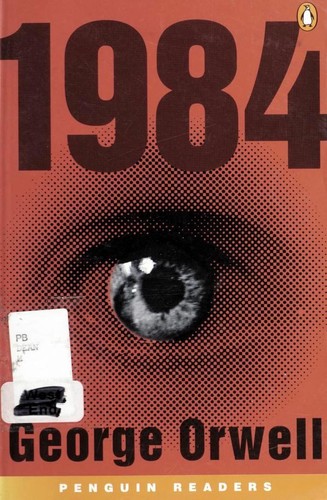
While more grounded in realism, this book shares the core theme of an individual's internal reality being policed by an oppressive state. Fans will recognize the same sense of inevitable doom and the struggle to maintain one's private thoughts.

Prefer to listen?
Try Audible and hear the story instead of reading it.
As an Amazon Associate, we earn from qualifying purchases.

This Russian masterpiece blends the surreal and the satirical to critique a rigid society, much like Nabokov's dreamlike prison. It shares the whimsical yet biting tone and the use of magical elements to highlight the absurdity of reality.

by J.M. Coetzee
This novel captures the same sense of impending doom and the moral rot of an empire that Nabokov evokes. It focuses on the psychological toll of being a cog in a cruel machine and the isolation of the moral individual.
A foundational dystopian text that heavily influenced Nabokov, focusing on a mathematical, transparent society where privacy is a crime. It mirrors the 'glass-house' feeling of Cincinnatus's imprisonment and the rebellion of the individual soul.

by Dino Buzzati
This novel deals with the agonizing wait for a significant event that may never come, echoing the suspended animation of Cincinnatus's time in prison. It is a deeply atmospheric and existential meditation on time and purpose.

by Mervyn Peake
Peake's prose is as lush and intricate as Nabokov's, creating a surreal, ritual-bound world that feels both ancient and nonsensical. It captures the same feeling of being trapped in a grotesque, theatrical reality governed by bizarre rules.
This psychological novel features a highly intellectual, isolated narrator whose obsessive thoughts lead to a sense of inevitable tragedy. It shares Nabokov's focus on the internal landscape of a man detached from the world around him.

Love to read on the go?
Explore Kindle e-readers and take your books with you.
As an Amazon Associate, we earn from qualifying purchases.
As an Amazon Associate, we earn from qualifying purchases.