

Based on your book
Iola Leroy
by Harper, Frances Ellen Watkin
Iola Leroy follows a young woman who, after being sold into slavery following the death of her father, discovers her true heritage and must navigate the fractured social landscape of the post-Civil War South. Harper crafts a narrative that functions as both a domestic drama and a sharp political manifesto. The pacing is deliberate, rooted in the earnest, didactic style of the 19th century, yet it carries an emotional urgency that feels surprisingly modern. You are not just reading a story about one woman finding her place; you are witnessing a profound exploration of racial identity, the necessity of education, and the struggle for bodily autonomy. This book is a rewarding choice for readers who enjoy nineteenth-century literature and want to understand the foundational texts that shaped the trajectory of African American fiction.
10 Books similar to 'Iola Leroy'
When you finish Iola Leroy, you will likely find yourself drawn to other voices that examine the precariousness of racial identity and the long shadow of slavery. Our list focuses on works that share Harper's commitment to social uplift and the psychological weight of passing. Whether through the direct, harrowing accounts of Harriet Jacobs or the nuanced domestic tension of Charles W. Chesnutt, these books mirror the resilience and intellectual rigor found in Iola's journey. These selections are curated to deepen your understanding of how early American writers used fiction to confront systemic injustice.
As an Amazon Associate, we earn from qualifying purchases.

by Nella Larsen
Like Iola Leroy, this novel deeply explores the complexities of racial identity and the social consequences of 'passing' within the American color line. It shares a similar focus on the psychological and societal pressures faced by Black women navigating a segregated society.

As one of the earliest novels written by an escaped slave, this book provides an authentic, harrowing, and historically significant perspective that mirrors the abolitionist spirit of Harper's work. It captures the struggle for freedom and the resilience of the human spirit in the face of systemic oppression.

Often cited as the first novel published by an African American, this work shares the 19th-century literary style and urgent political themes found in Iola Leroy. It tackles the brutal realities of slavery and the tragic consequences of the 'tragic mulatta' figure with a similar didactic intent.

While it utilizes a time-travel narrative, the core of the story is a visceral examination of the legacy of slavery and the endurance of Black women, themes that resonate deeply with Harper's exploration of the Reconstruction era. It bridges historical reality with emotional truth in a way that fans of classic social literature will appreciate.

Prefer to listen?
Try Audible and hear the story instead of reading it.
As an Amazon Associate, we earn from qualifying purchases.

Chesnutt, a contemporary of Harper, also explores the themes of race, class, and the 'passing' phenomenon in the post-Civil War South. The narrative style and the focus on the domestic lives of mixed-race characters make it a perfect thematic companion to Iola Leroy.

This powerful autobiography serves as the real-life foundation for many of the themes explored in Iola Leroy, including the fight for bodily autonomy and the importance of family bonds. Its direct, impassioned narrative voice provides a crucial historical context for Harper's fictionalized accounts.
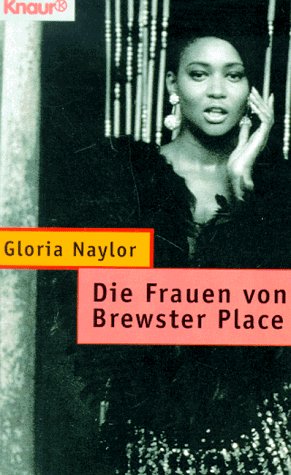
Though set in a later period, this novel echoes Harper's focus on the interconnectedness and resilience of Black women in the face of systemic hardship. It captures the same spirit of community and mutual support that defines the female characters in Iola Leroy.

Written shortly after Iola Leroy, this novel is a direct successor in the tradition of 'uplift literature,' focusing on the moral and social advancement of the Black community. Fans will recognize the similar structure of using romance and family drama to deliver a potent political message.
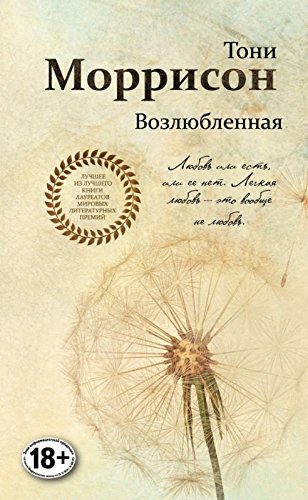
For readers who appreciated the historical weight and the focus on the trauma of slavery in Iola Leroy, this masterpiece offers a deeper, more lyrical exploration of those same scars. It is an essential read that elevates the themes of memory and freedom to a profound literary level.

This novel provides a male-centric perspective on the same issues of racial identity, social mobility, and the 'passing' dilemma that Iola Leroy grapples with. The analytical and observational tone offers a fascinating contrast while keeping the core subject matter consistent.

Love to read on the go?
Explore Kindle e-readers and take your books with you.
As an Amazon Associate, we earn from qualifying purchases.
As an Amazon Associate, we earn from qualifying purchases.