

Based on your book
Is This a Cry for Help?
by Austin, Emily
Austin has a knack for writing characters who feel like they are constantly vibrating at a frequency just slightly off from the rest of the world. In this story, we follow a protagonist whose internal monologue is a relentless, darkly funny feedback loop of existential dread and social miscalculation. It is a portrait of someone trying to perform the role of a functional adult while being perpetually haunted by the absurdity of their own existence and the weight of family history. The pacing mimics a brain that cannot switch off, moving from biting observations about modern life to raw, vulnerable moments of self-doubt. If you find comfort in the voices of characters who are messy, cynical, and deeply observant of their own unraveling, this book will feel like a private, slightly unhinged conversation with a kindred spirit.
10 Books similar to 'Is This a Cry for Help?'
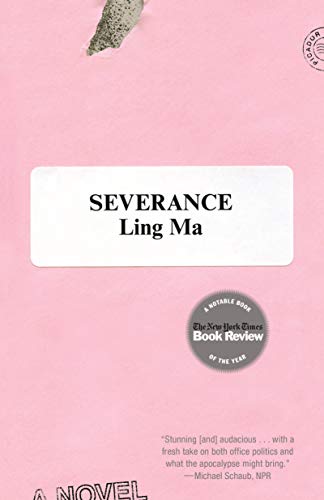
The books we have selected lean into the specific discomfort of being a woman in a world that often demands a level of coherence you simply do not possess. Whether it is the biting, deadpan humor of Ottessa Moshfegh or the surreal workplace alienation found in Ling Ma, these stories share a DNA of existential friction. We chose these titles because they treat mental health and identity crises with the same blend of sharp wit and unflinching honesty that defines Austin's work, offering a mirror for anyone who has ever felt like an outsider in their own life.
As an Amazon Associate, we earn from qualifying purchases.

by Emily Austin
Since this is the author's debut novel, it shares the exact same neurotic, darkly humorous, and deeply introspective voice found in her other works. It perfectly captures the anxiety-ridden internal monologue of a protagonist trying to navigate existential dread and mundane life.

Like Austin's protagonists, Eleanor is a socially awkward, deeply isolated character whose internal world is both heartbreaking and funny. Both books explore the struggle of fitting into a society that feels alien while dealing with past trauma.

This book features a protagonist who feels like an outsider observing the 'normal' world from a distance, much like the characters in Austin's novels. It is a sharp, deadpan exploration of societal expectations and the comfort of rigid structures.

Fans of Austin's cynical and darkly funny exploration of mental health will appreciate Moshfegh's unapologetic, misanthropic narrator. Both books dive deep into the psyche of women attempting to cope with the crushing weight of modern existence.

Not sure what they've already read?
Let them pick their next favorite with an Amazon Gift Card.
As an Amazon Associate, we earn from qualifying purchases.

by Meg Mason
This novel balances sharp, biting wit with a raw, honest portrayal of mental illness, mirroring the tone of Austin's writing. It explores the complexities of family dynamics and the difficulty of finding one's place when your brain feels like an enemy.

by Sylvia Plath
As a classic predecessor to the 'neurotic female protagonist' genre, Plath's masterpiece resonates with the themes of alienation and existential struggle found in Austin's work. It provides a more historical but equally intense look at the internal life of a woman in crisis.


This book shares the raw, unfiltered, and often messy exploration of female desire, obsession, and mental health that characterizes Emily Austin's writing. It is darkly funny, deeply psychological, and unafraid to explore the uncomfortable corners of the human experience.

by Jenny Offill
Written in fragmented, highly observant prose, this book captures the anxiety of domestic life and the fragility of identity in a way that fans of Austin's stylistic choices will admire. It is intellectual, intimate, and deeply reflective.

Prefer to listen?
Try Audible and hear the story instead of reading it.
As an Amazon Associate, we earn from qualifying purchases.
As an Amazon Associate, we earn from qualifying purchases.