

Based on your book
ISE Teachers, Schools, and Society
by Sadker, David M.
Teachers, Schools, and Society acts as a rigorous mirror held up to the American classroom. Instead of offering a dry manual on pedagogy, Sadker dissects the complex power dynamics, social prejudices, and historical baggage that define modern education. You will find yourself navigating the intersection of policy and practice, moving from the philosophical underpinnings of schooling to the raw reality of cultural bias in the curriculum. The writing is analytical and dense with information, yet it remains deeply reflective, forcing you to question why schools function the way they do and who they truly serve. This is an essential read for education students, policy wonks, or anyone who suspects that the classroom is far more than just a place for standardized testing. It is a demanding, intellectual experience that transforms how you view the institution of learning.
10 Books similar to 'ISE Teachers, Schools, and Society'
When you finish this text, you likely want to dig deeper into the systemic fractures that Sadker identifies. We curated these selections to bridge the gap between academic theory and the lived experience of inequality. If you are drawn to the critique of institutional power, books by Jonathan Kozol and Paulo Freire will challenge your assumptions about the purpose of education. For those interested in the historical and social forces at play, the works of Dana Goldstein and bell hooks provide the necessary context to understand why the classroom remains a site of such intense cultural struggle.
As an Amazon Associate, we earn from qualifying purchases.

Like Sadker's work, this book offers a critical, comprehensive examination of the American education system, focusing on policy, reform, and the socio-political forces shaping schools. It is essential reading for anyone interested in the structural challenges and ideological debates surrounding public education.

by Paulo Freire
This foundational text provides a philosophical and critical framework for understanding the relationship between teachers, students, and society, much like the sociological lens used in Sadker's book. It challenges readers to rethink the purpose of education as a tool for liberation rather than control.

Kozol provides a deeply moving, on-the-ground look at inequality in American schools, serving as a powerful companion to the more structural analysis found in 'Teachers, Schools, and Society.' It highlights the human cost of systemic disparities in education.
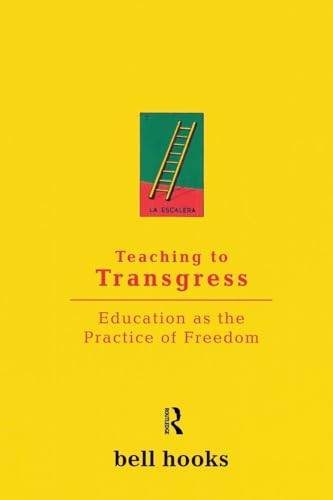
by bell hooks
Hooks explores the intersection of race, class, and gender in the classroom, mirroring the inclusive approach Sadker takes toward educational equity. It is an inspiring, reflective guide for educators who want to create a more democratic and engaged learning environment.

Not sure what they've already read?
Let them pick their next favorite with an Amazon Gift Card.
As an Amazon Associate, we earn from qualifying purchases.

This book provides a rich historical context for the current debates in education, similar to the historical chapters in Sadker's text. It traces the history of American teaching to explain why modern reform efforts so often struggle.

This classic work of investigative journalism exposes the stark differences between wealthy and poor school districts, providing the concrete, real-world examples that ground the theoretical concepts in Sadker's textbook. It is a vital read for understanding the economic barriers to equal education.

Gatto, a former New York City Teacher of the Year, offers a provocative critique of the compulsory schooling system that complements the broader survey provided by Sadker. It encourages readers to question the hidden curriculum and the true purpose of modern schooling.

This collection of essays offers practical, socially conscious advice for new teachers, directly addressing the 'how-to' and 'why' questions posed in Sadker's text. It focuses on building a classroom culture that is equitable, engaging, and student-centered.

While focusing on higher education, this book critiques the same systemic failures—standardization, lack of critical thinking, and social stratification—that Sadker explores in the K-12 system. It is a sharp, intellectual look at what we are actually teaching our students.

by Paul Tough
Tough examines the efforts to close the achievement gap, providing a narrative-driven look at educational interventions that serves as a modern case study for the theories discussed in Sadker's work. It bridges the gap between sociological theory and practical application.

Prefer to listen?
Try Audible and hear the story instead of reading it.
As an Amazon Associate, we earn from qualifying purchases.
As an Amazon Associate, we earn from qualifying purchases.