

Based on your book
It Can't Happen Here
by Sinclair Lewis
It Can't Happen Here plunges you into a chillingly plausible 1930s America, where a charismatic, populist demagogue named Buzz Windrip sweeps into the presidency and swiftly begins to dismantle the nation's democratic foundations. You experience this terrifying transformation through the eyes of Doremus Jessup, a Vermont newspaper editor who finds himself grappling with the slow, insidious creep of fascism. The reading experience is intensely thought-provoking and disturbing, building a palpable sense of dread as liberties erode with unsettling speed. Lewis's sharp, direct prose creates a vivid, almost prophetic vision. This is a powerful read for anyone who appreciates political fiction that serves as a stark warning, enjoys dystopian narratives rooted in realistic social commentary, and isn't afraid to confront uncomfortable truths about power and society.
10 Books similar to 'It Can't Happen Here'
If the chilling premise of It Can't Happen Here resonated with you, exploring the insidious rise of authoritarianism and the erosion of democratic values, our curated list offers more thought-provoking journeys. These books delve into similar political intrigue and social commentary, depicting dystopian societies where individual freedoms are tested and rebellion simmers. Whether it's the outright totalitarianism of 1984, the alternate history of The Plot Against America, or the poignant social critique in The Grapes of Wrath, each selection challenges you to consider the fragility of our world and the enduring human spirit against adversity.
As an Amazon Associate, we earn from qualifying purchases.

Fans of "It Can't Happen Here" will find a chilling parallel in Orwell's depiction of a totalitarian state, exploring themes of surveillance, propaganda, and the suppression of individual thought. Both books serve as stark warnings about the fragility of freedom and the insidious nature of authoritarianism.

by Philip Roth
This alternate history novel directly echoes Lewis's premise by imagining a fascist-sympathizing president taking power in 1940s America. Readers will appreciate the realistic portrayal of how political extremism can seep into everyday life and challenge democratic institutions, much like in Lewis's work.

While different in its approach to societal control, Huxley's dystopia offers a thought-provoking critique of a future where freedom is sacrificed for stability and pleasure. It shares Lewis's cautionary tone about the dangers of an unthinking populace and the manipulation of human nature by powerful systems.

Atwood's powerful novel portrays a dystopian America where a totalitarian, theocratic regime strips women of their rights, echoing the loss of liberties in "It Can't Happen Here." Its exploration of resistance, survival, and the insidious creep of oppression will resonate deeply with Lewis's readers.

Prefer to listen?
Try Audible and hear the story instead of reading it.
As an Amazon Associate, we earn from qualifying purchases.
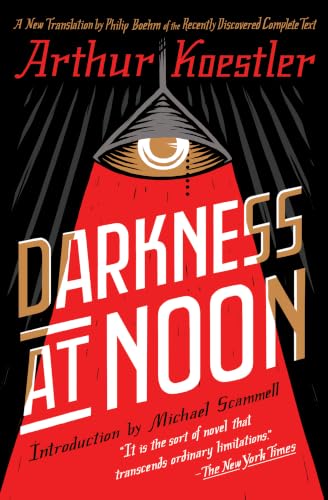
Koestler's psychological novel delves into the mind of an Old Bolshevik facing a show trial in a totalitarian state, exploring the moral compromises and intellectual justifications of political power. Its intense focus on the individual's struggle against a crushing regime aligns with the themes of resistance in Lewis's work.

This satirical allegory offers a concise yet potent critique of totalitarianism and the corruption of revolutionary ideals, much like Lewis's examination of political extremism. Its sharp social commentary and cautionary tale about the abuse of power will appeal to those who appreciated the underlying message of "It Can't Happen Here."

by Ray Bradbury
Bradbury's classic dystopian novel explores a future where books are burned and independent thought is suppressed, serving as a powerful warning against censorship and intellectual complacency. Like Lewis, Bradbury critiques societal apathy and the dangers of allowing freedom to erode, making it a compelling read for fans.

While not directly about fascism, Steinbeck's epic novel provides a powerful social commentary on the economic and social injustices faced by ordinary Americans during the Great Depression. Its realistic portrayal of struggle, resilience, and the breakdown of community resonates with Lewis's critical eye on American society and its vulnerabilities.
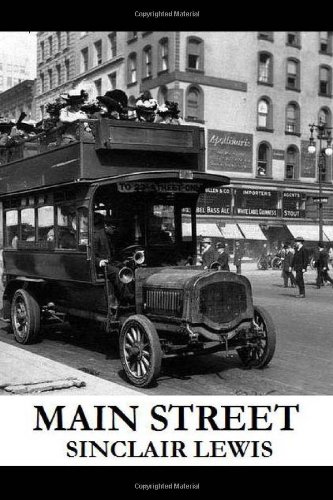
For readers who appreciate Lewis's sharp social critique and character-driven narratives, "Main Street" offers a satirical look at the provincialism and narrow-mindedness of small-town America. It shares the author's distinctive narrative voice and observational style, providing a deeper dive into the societal fabric Lewis often dissected.

Burgess's disturbing and thought-provoking novel examines free will, state control, and the nature of good and evil within a dystopian future. Its exploration of societal conditioning and the individual's struggle against an oppressive system offers a unique, albeit darker, take on themes of political power and human liberty found in Lewis's work.

Love to read on the go?
Explore Kindle e-readers and take your books with you.
As an Amazon Associate, we earn from qualifying purchases.
As an Amazon Associate, we earn from qualifying purchases.