

Based on your book
It's Different This Time
by Richard, Joss
Joss Richard explores the persistent human tendency to believe that current economic and social conditions are exempt from the mistakes of the past. Rather than offering a dry academic lecture, the book functions as a mirror for our modern obsession with novelty and progress. The writing is methodical and measured, encouraging you to pause and re-examine your own assumptions about growth and stability. You will find yourself questioning why we are so quick to discard historical lessons in favor of comforting narratives. It is a slow-burn intellectual exercise that rewards careful attention, making it an excellent choice for readers who enjoy dissecting the intersection of cultural psychology and systemic behavior. If you prefer books that challenge your intuition and leave you with a more cynical, yet informed, perspective on the present, this is a vital addition to your shelf.
10 Books similar to 'It's Different This Time'
If the analytical rigor of this book sparked your curiosity, these selections provide a deeper map of the financial and psychological patterns that govern our world. We curated this list to bridge the gap between hard economic history and the behavioral quirks that fuel speculative bubbles. Whether you are interested in the granular mechanics of systemic failure described by Lewis and Sorkin or the broader historical critiques from Graeber and Kindleberger, these titles reinforce the idea that human folly is a recurring, predictable theme across centuries of global interaction.
As an Amazon Associate, we earn from qualifying purchases.

by Carmen M. Reinhart and Kenneth S. Rogoff
This is the definitive text on financial crises throughout history, offering the same rigorous, data-driven analysis of economic cycles that fans of the subject matter crave. It provides the essential historical context needed to understand why humanity repeatedly falls into the same debt-fueled traps.
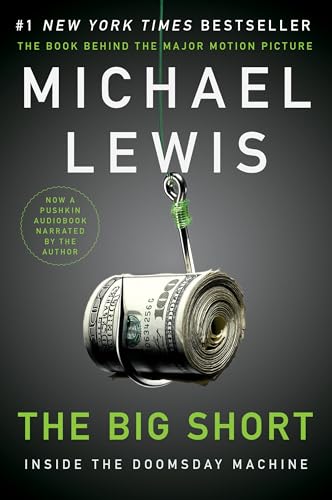
Much like the analytical approach to financial history, this book offers a gripping, behind-the-scenes look at the 2008 financial crisis. It matches the tone of investigating systemic failure and serves as a perfect narrative companion to broader economic studies.

Considered a classic in the field, this book provides the foundational theory for understanding speculative bubbles and market collapses. Readers who enjoyed the historical scope of Reinhart and Rogoff will appreciate this comprehensive examination of economic instability.

This book traces the evolution of global financial systems, explaining how money and credit have shaped human history. It shares the same ambition of explaining complex economic phenomena through a historical lens, making it highly accessible and engaging.

Not sure what they've already read?
Let them pick their next favorite with an Amazon Gift Card.
As an Amazon Associate, we earn from qualifying purchases.

Shiller provides a psychological and behavioral perspective on why markets behave the way they do, complementing the purely historical data of other economic texts. It is essential reading for understanding the human element behind financial folly.

This book explores the specific cultural and national attitudes toward debt and finance in the wake of the 2008 crisis. It offers a witty, observational, and highly readable look at the consequences of the economic patterns described in more academic texts.

Focusing on the central bankers who navigated the Great Depression, this narrative history mirrors the themes of systemic failure and human error. It provides a character-driven look at the decision-making processes that lead to global economic catastrophe.

Graeber challenges the conventional economic history of money, arguing that debt has been the primary driver of human social organization. It offers a provocative, intellectual, and deeply researched alternative perspective that fans of economic history will find fascinating.

This is a detailed, minute-by-minute account of the 2008 financial crisis from the perspective of the power brokers involved. It captures the high-stakes atmosphere and the desperate attempts to prevent total systemic collapse, much like the crises examined in financial histories.

This book provides a lively and engaging history of speculative bubbles, from the Dutch Tulip Mania to the dot-com era. It is perfect for readers who appreciate the narrative style of financial history and want to understand the recurring patterns of human greed.

Prefer to listen?
Try Audible and hear the story instead of reading it.
As an Amazon Associate, we earn from qualifying purchases.
As an Amazon Associate, we earn from qualifying purchases.