

Based on your book
It's on You
by Chater, Nick
Nick Chater invites you to stop searching for an inner core or a hidden, authentic self that governs your choices. Instead, he argues that we are improvisers who construct our identities moment by moment through our actions and social interactions. The reading experience is less about self-help platitudes and more about a rigorous, intellectual audit of how we view our own agency. Chater writes with a brisk, analytical precision that feels like a conversation with a skeptical scientist. He dismantles the idea that we are victims of our past or our unconscious, placing the responsibility squarely on our present choices. This book is for readers who enjoy having their foundational beliefs challenged and prefer science-based arguments over vague motivational rhetoric. If you want to reconsider the mechanics of your own personality, this is an intellectually stimulating place to start.
10 Books similar to 'It's on You'
Since you appreciated how Chater deconstructs the myth of the inner self, these selections extend that exploration into the realms of cognitive bias, biological drivers, and social psychology. These books were chosen because they share an analytical rigor, focusing on the hidden structures that shape human behavior rather than relying on surface-level intuition. Whether you are curious about the mechanics of moral reasoning, the biological foundations of our actions, or the ways we justify our own errors, these titles provide the evidence-based framework needed to continue questioning how we navigate our world.
As an Amazon Associate, we earn from qualifying purchases.

by Nick Chater
As the author's seminal work, this book provides the foundational psychological framework that informs his later arguments about human agency and decision-making. Fans of Chater's analytical style will appreciate this deep dive into the illusion of a 'hidden depth' within the human mind.
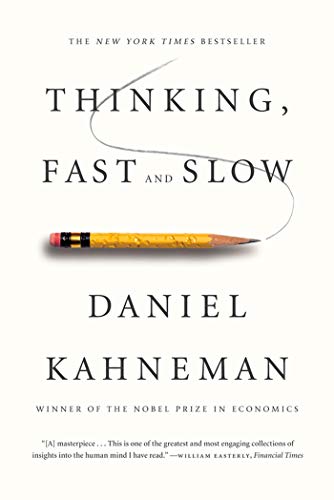
This classic text is essential for anyone interested in the cognitive biases and decision-making processes that Chater frequently challenges. It offers a rigorous, evidence-based exploration of how we construct our reality, mirroring the intellectual curiosity found in Chater's work.

by Nick Chater and Morten H. Christiansen
This book continues Chater's exploration of how we construct our world, this time through the lens of linguistics rather than psychology. Readers who enjoyed the deconstruction of conventional wisdom in his other works will find this equally transformative.

by Dan Ariely
Ariely explores the hidden forces that shape our decisions, providing a perfect companion to Chater's focus on human behavior and agency. It maintains an accessible, engaging tone while dismantling the myth of the rational human actor.

Love to read on the go?
Explore Kindle e-readers and take your books with you.
As an Amazon Associate, we earn from qualifying purchases.
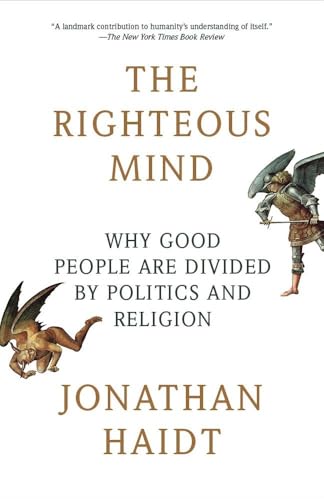
Haidt examines the moral foundations that drive our beliefs and actions, offering a sophisticated look at why we think and act the way we do. It complements Chater's work by shifting the focus from cognitive mechanics to the social and moral structures of human life.

For readers who want to understand the 'why' behind human behavior, Sapolsky offers a comprehensive, multi-layered look at our biology and psychology. It shares the same ambitious, science-backed approach to understanding the human condition as Chater's writing.

by Carol Tavris and Elliot Aronson
This book expertly explains the psychology of self-justification, a key element in understanding why we struggle to change our minds or admit error. It aligns perfectly with Chater's themes regarding the construction of the self and the limitations of human perception.

by Hugo Mercier and Dan Sperber
This work challenges the traditional view of reason as a tool for individual truth-seeking, reframing it as a social tool for persuasion. It echoes Chater's skepticism about internal 'depth' and provides a fascinating, counter-intuitive perspective on human cognition.

Epstein challenges the narrative that early specialization is the only path to success, offering a data-driven argument that resonates with Chater's critique of conventional wisdom. It is an empowering read for anyone questioning established societal norms.

by Kevin Simler and Robin Hanson
This book dives into the hidden motives behind our everyday behaviors, exposing the self-deception that Chater also explores. It is a witty, provocative, and highly analytical look at the gap between our stated intentions and our true actions.

Not sure what they've already read?
Let them pick their next favorite with an Amazon Gift Card.
As an Amazon Associate, we earn from qualifying purchases.
As an Amazon Associate, we earn from qualifying purchases.