

Based on your book
John of John
by Stuart, Douglas
John of John is a brutal, deeply intimate look at the wreckage left behind by inherited trauma and the crushing weight of poverty. It follows the life of a young man trying to carve out a sense of self while tethered to a family dynamic defined by addiction and volatility. Douglas Stuart writes with a precision that makes the smallest gestures of affection feel momentous against a backdrop of bleak, unyielding circumstances. The pacing is deliberate, forcing you to sit with the characters in their most vulnerable, uncomfortable moments. This is not a book for those seeking a quick escape. Instead, it is for readers who want to inhabit a narrative that is as emotionally taxing as it is rewarding, and who appreciate prose that mines the grit of human survival for moments of raw, unvarnished beauty.
10 Books similar to 'John of John'
When you finish John of John, you might find yourself craving more stories that balance the harsh realities of class struggle with the complex, often painful bonds of family. We selected these titles because they echo that specific ache—the way characters must navigate systemic neglect while trying to preserve their own humanity. Whether through the lens of memoir or fiction, these books capture the intensity of growing up under pressure. They are chosen for readers who value unflinching honesty, deep psychological interiority, and the quiet, persistent resilience found in the most dysfunctional corners of life.
As an Amazon Associate, we earn from qualifying purchases.

Since this is the author's debut masterpiece, readers of his later work will find the same raw, unflinching look at poverty, addiction, and the enduring bond between mother and son. It shares the same visceral, lyrical prose and heart-wrenching emotional depth that defines Stuart's writing style.

This novel serves as an essential companion piece to Stuart's other works, exploring themes of queer identity, sectarian violence, and the struggle for tenderness in a harsh environment. Fans will recognize the author's signature ability to find beauty and hope amidst bleak, unforgiving circumstances.

by Irvine Welsh
For readers who appreciate the gritty, authentic portrayal of Scottish working-class life, Welsh provides a similarly uncompromising look at addiction and survival. The narrative voice is equally distinct, capturing the rhythm and vernacular of the streets with dark humor and brutal honesty.

If you are drawn to the profound, sparse, and deeply emotional writing style found in Stuart's work, this novel offers a similarly intense exploration of love and survival. It captures the same feeling of isolation and the desperate, quiet strength required to endure in a hostile world.

Love to read on the go?
Explore Kindle e-readers and take your books with you.
As an Amazon Associate, we earn from qualifying purchases.

Readers who are not afraid to be emotionally devastated by their reading material will appreciate this deep dive into trauma, friendship, and the long-term effects of childhood abuse. Like Stuart's work, it focuses intensely on the psychological interiority of characters struggling to find their place in the world.
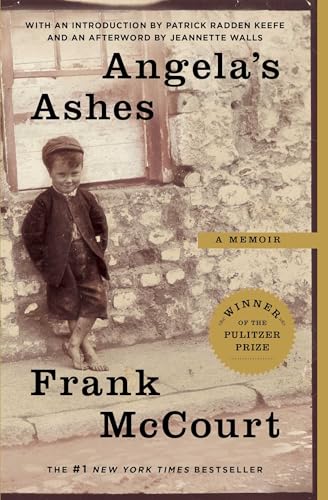
This memoir captures the same spirit of resilience and the struggle against crushing poverty that permeates Stuart's novels. It balances the grim realities of a difficult upbringing with moments of dark humor and a deeply observational, retrospective narrative voice.

While tonally different in its ultimate hopeful trajectory, this book shares the theme of a deeply isolated protagonist trying to navigate a world they don't quite understand. It offers a similarly intimate character study that slowly reveals the layers of trauma beneath a socially awkward exterior.

This memoir of a nomadic, dysfunctional upbringing mirrors the complex family dynamics often found in Stuart's fiction. Readers will appreciate the honest, non-judgmental look at parents who are deeply flawed yet loved, and the children who must grow up too fast to survive them.

This novel is a powerful, visceral exploration of poverty and abuse in the American South, resonating with the same themes of class struggle and the loss of innocence found in Stuart's work. It is an intense, character-driven story that demands the reader's full emotional investment.

For a classic foundation to the 'coming-of-age' narrative, this novel explores themes of social class, ambition, and the search for identity that Stuart frequently touches upon. It provides a rich, atmospheric look at the ways in which our origins shape our future, written with a masterful, observational style.

Not sure what they've already read?
Let them pick their next favorite with an Amazon Gift Card.
As an Amazon Associate, we earn from qualifying purchases.
As an Amazon Associate, we earn from qualifying purchases.