

Based on your book
John Tyler, the Accidental President
by Crapol, Edward P.
John Tyler is often relegated to a footnote in American history, usually remembered only for being the first vice president to ascend to the top office following a death. Edward P. Crapol pulls Tyler out of that shadow, crafting a sharp, analytical portrait of a man who was deeply out of step with his own party. The narrative avoids hero worship, instead focusing on the messy, high-stakes political maneuvering that defined his term. It is a slow-burn study of power dynamics, specifically how an isolated executive navigates a hostile Congress and a fracturing nation. Readers who enjoy political biographies that prioritize historical context over sensationalism will find this rewarding. If you like peeling back the layers of 19th-century governance to see how individual stubbornness and ideology can alter a country's trajectory, this is a essential addition to your shelf.
10 Books similar to 'John Tyler, the Accidental President'
If you finished this and find yourself craving more windows into the volatile 19th-century presidency, these titles are your natural next step. We have curated this list to highlight the intersection of personal ambition and structural political instability. Whether you are looking for the intellectual framework of the era found in Schlesinger or the granular, character-driven studies of leaders like Polk or Fillmore, these books share Crapol's interest in how accidental or unconventional figures managed to exert profound influence. These selections move beyond simple biography to explore the raw, often unglamorous mechanics of American power.
As an Amazon Associate, we earn from qualifying purchases.

Like Crapol's biography of Tyler, this Pulitzer Prize-winning work offers a deeply researched and narrative-driven look at a president whose path to the White House was unconventional. It captures the political maneuvering and personal evolution of a leader during a transformative era in American history.

This book provides a masterful examination of the political landscape of the 19th century, much like Crapol's study of the Tyler administration. It excels at showing how personal ambition and political necessity intersect during turbulent times in the presidency.

Fans of Crapol's focus on the lesser-known or misunderstood figures of 19th-century politics will appreciate this gripping account of James A. Garfield. It blends meticulous historical research with a narrative style that feels as urgent and compelling as a novel.
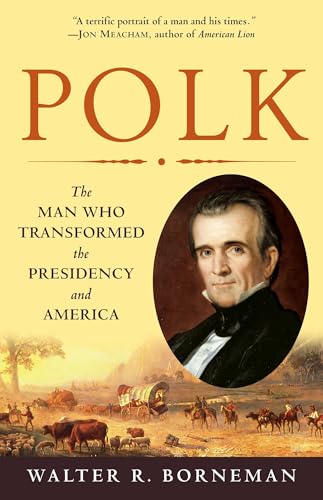
James K. Polk served shortly after John Tyler and was equally instrumental in the expansionist policies of the era. This biography serves as a perfect companion piece, offering a similar analytical lens on how a single-term president can fundamentally alter the trajectory of the nation.

Prefer to listen?
Try Audible and hear the story instead of reading it.
As an Amazon Associate, we earn from qualifying purchases.

by Ron Chernow
Much like Crapol's work on Tyler, this biography re-examines a complex and often maligned figure in American history to provide a more nuanced understanding of his presidency. It is an essential read for those interested in the intricacies of 19th-century political survival.

by Jon Meacham
To understand the political climate that John Tyler navigated, one must understand the shadow of Andrew Jackson. This book provides the necessary historical context and political atmosphere that defined the era of 'accidental' and transformative presidencies.

For readers who enjoyed Crapol's examination of the personal and professional struggles of a 19th-century president, this biography offers a similar depth of character study. It explores the tension between public duty and private conviction that defined the early American political experience.

This book provides a detailed look at the machinery of 19th-century politics, which is essential to understanding why John Tyler's presidency unfolded the way it did. It is a scholarly yet accessible look at the formation of political parties and the men who led them.

Like Tyler, Fillmore is often categorized as an 'accidental' president who faced immense pressure and historical scrutiny. This biography offers a similar deep dive into the challenges of inheriting the presidency during a time of national fracturing.

This classic historical text provides the broad intellectual and political framework for the era in which John Tyler lived and governed. It is perfect for readers who want to understand the larger historical forces that shaped Tyler's controversial decisions.

Love to read on the go?
Explore Kindle e-readers and take your books with you.
As an Amazon Associate, we earn from qualifying purchases.
As an Amazon Associate, we earn from qualifying purchases.