

Based on your book
Journey to the End of the Night
by Louis-Ferdinand Céline
Journey to the End of the Night drops you into the mind of Ferdinand Bardamu, a man utterly disillusioned with humanity, who drifts from the horrors of WWI trenches to colonial Africa, bustling New York, and the grinding gears of factory work before settling into a cynical medical practice in Paris. This isn't a story to uplift you; it's a relentless, often disturbing descent into the grimy underbelly of existence, narrated by an anti-hero who sees the worst in everyone, including himself. Céline’s prose is a raw, unfiltered torrent, a stream of consciousness that feels both exhausting and exhilarating in its brutal honesty. You'll find yourself immersed in a world where moral ambiguity reigns, and survival often means sacrificing decency. It's for readers who appreciate an unflinching, darkly humorous, and deeply cynical examination of society, those who aren't afraid to confront the bleaker aspects of the human condition through a singular, unforgettable voice.
10 Books similar to 'Journey to the End of the Night'
If you found yourself captivated by the relentless, cynical voice of Bardamu and the bleak landscape of Journey to the End of the Night, our selections delve into similar literary territory. We've gathered books that share Céline's unflinching social commentary and embrace moral ambiguity, often through the eyes of an unreliable narrator. You'll find other powerful explorations of humanity's darker side, whether it's the raw, stream-of-consciousness style of Henry Miller or the profound existential alienation found in Dostoevsky and Camus. These are books that challenge, disturb, and offer a similarly gritty, unforgettable reading experience.
As an Amazon Associate, we earn from qualifying purchases.

by Henry Miller
Like Céline, Miller uses a raw, stream-of-consciousness style to explore the gritty underbelly of Paris. Both authors share a cynical, nihilistic worldview and a penchant for semi-autobiographical prose that challenges societal norms through visceral, unfiltered observations.
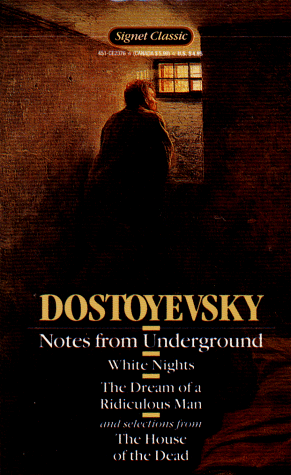
This foundational work of existentialism features an alienated, misanthropic narrator who mirrors Bardamu's resentment toward society. It captures the same claustrophobic psychological depth and intellectual rebellion against the perceived rationalism of the modern world.

by Knut Hamsun
Hamsun's masterpiece focuses on a starving artist's descent into madness and physical decay, echoing the bleakness and desperation found in Céline's work. The novel's focus on the internal psychological state of a social outcast provides a similar sense of atmospheric dread and isolation.

While more lyrical, Broch's exploration of the futility of art and the decay of civilization resonates with Céline’s obsession with entropy and death. Both books utilize a dense, complex narrative structure to examine the collapse of human values during times of historical crisis.

Prefer to listen?
Try Audible and hear the story instead of reading it.
As an Amazon Associate, we earn from qualifying purchases.

Burroughs shares Céline's transgressive spirit and his use of fragmented, hallucinatory prose to critique the corruption of power and the human condition. Both authors utilize dark humor and grotesque imagery to shock the reader into a new understanding of reality.

For readers drawn to the harrowing war sequences in the first half of Céline's novel, Remarque offers a similarly devastating and realistic portrayal of the trauma of World War I. Both works dismantle the romanticism of war, focusing instead on its senselessness and the destruction of a generation.

by Albert Camus
Camus’s exploration of the absurd and the emotional detachment of his protagonist, Meursault, aligns perfectly with the nihilistic tone of Bardamu’s journey. Both novels feature a protagonist who views the world with a cold, observational eye, feeling disconnected from the moral expectations of society.

Selby’s uncompromising look at the depravity and suffering of the urban poor captures the same 'gritty' and 'bleak' essence found in Céline’s descriptions of the Parisian suburbs. The raw, rhythmic prose style creates a similarly immersive and disturbing reading experience.
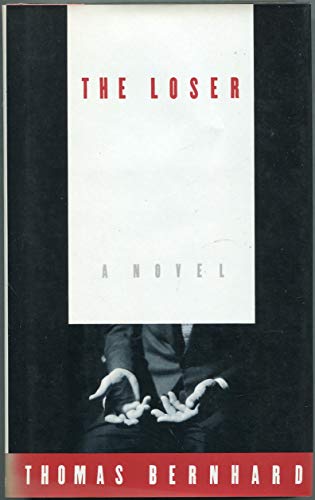
Bernhard is often cited as a spiritual successor to Céline due to his use of the 'monologue of hate' and his relentless, rhythmic prose. This novel’s obsessive focus on failure, resentment, and the burden of genius mirrors the misanthropic energy of Journey to the End of the Night.

by John Fante
Fante’s portrayal of Arturo Bandini, a struggling writer in Los Angeles, captures the same mixture of desperation, arrogance, and dark humor that defines Céline's narrator. Both books explore the 'outsider' experience through a voice that is simultaneously vulnerable and bitingly cynical.

Love to read on the go?
Explore Kindle e-readers and take your books with you.
As an Amazon Associate, we earn from qualifying purchases.
As an Amazon Associate, we earn from qualifying purchases.