

Based on your book
La ciudad y los perros (Edición conmemorativa de la RAE y la ASALE) / The Time of the Hero
by Vargas Llosa, Mario
Set within the brutal walls of the Leoncio Prado Military Academy in Lima, this novel is a claustrophobic descent into a world of unchecked hierarchy and institutional violence. Vargas Llosa constructs a narrative that feels like a pressure cooker, following a group of cadets as their youthful idealism is systematically eroded by the school’s toxic culture of bullying, betrayal, and rigid discipline. The genius of the book lies in its shifting perspectives, which force you to piece together the truth behind a central act of rebellion while navigating the deeply scarred psyches of the boys involved. It is an intense, intellectually demanding read that refuses to look away from the darker corners of human behavior. If you appreciate literature that dissects how systems of power strip away innocence and leave only hardened survivalists in their wake, this is essential reading.
10 Books similar to 'La ciudad y los perros (Edición conmemorativa de la RAE y la ASALE) / The Time of the Hero'
If the moral complexity and institutional grit of this novel left you wanting more, our list of recommendations explores those same tremors of power, trauma, and identity. We curated these titles because they echo the way Vargas Llosa captures the collision between a young person and an indifferent, often hostile society. Whether through the lens of political allegory like The Feast of the Goat or the raw psychological survival found in If This Is a Man, these books mirror the specific tension of watching characters attempt to maintain their humanity under the weight of systemic oppression.
As an Amazon Associate, we earn from qualifying purchases.

Also written by Vargas Llosa, this novel shares the author's masterful ability to dissect authoritarian power structures and their psychological impact on individuals. Like 'The Time of the Hero', it utilizes a complex, multi-layered narrative structure to expose the corruption and brutality inherent in systemic violence.

This classic novel mirrors the intense exploration of adolescent brutality and the breakdown of order found in Vargas Llosa's military academy. Both books serve as grim, allegorical studies on how isolation and rigid hierarchies can corrupt the human spirit.
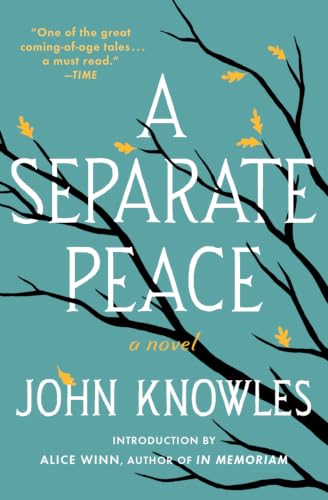
by John Knowles
Set in a boarding school during World War II, this novel captures the same tension between adolescence and the encroaching, often cruel, adult world. It explores themes of friendship, rivalry, and the psychological scars left by institutional environments, much like the cadets in the Leoncio Prado Military Academy.

by Junot Díaz
Fans of the Latin American literary tradition will appreciate Díaz's stylistic energy and his deep engagement with the socio-political history of the Caribbean. It shares a similar intensity in exploring how historical trauma and toxic masculinity shape the lives of young men.

Prefer to listen?
Try Audible and hear the story instead of reading it.
As an Amazon Associate, we earn from qualifying purchases.

While a memoir, its unflinching look at the harsh realities of war, discipline, and the formation of identity resonates with the gritty realism of Vargas Llosa's work. Readers who enjoyed the intense, observational narrative style of 'The Time of the Hero' will find a similar intellectual rigor here.
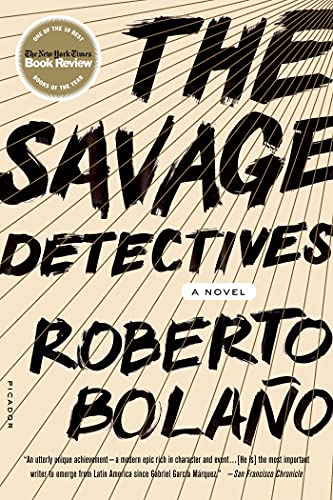
As a cornerstone of contemporary Latin American literature, this novel captures the restless, rebellious spirit of youth navigating a harsh and often indifferent society. Its fragmented, polyphonic structure will appeal to readers who appreciated the narrative complexity of Vargas Llosa's debut.

by Primo Levi
This harrowing account of survival in a concentration camp provides a non-fiction parallel to the themes of institutional dehumanization found in the military academy. It is a profound exploration of how rigid, violent systems strip away human dignity, echoing the core conflict of 'The Time of the Hero'.
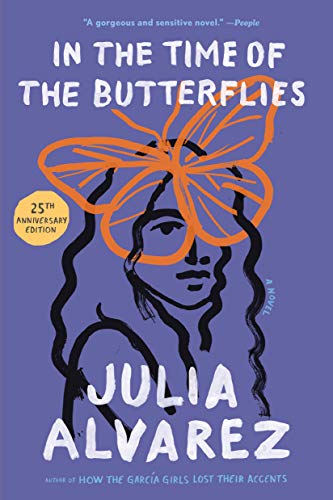
This novel explores the intersection of personal lives and oppressive political regimes, a central theme in Vargas Llosa's work. Readers who enjoyed the critique of militarism and the struggle for personal integrity in 'The Time of the Hero' will find this equally compelling.

While different in tone, both novels are quintessential explorations of the alienation and disillusionment of young men struggling against the hypocrisy of the institutions around them. The internal struggle of the protagonist to maintain authenticity in a corrupt world is a shared focal point.

by J.M. Coetzee
Coetzee's stark, precise prose and his unflinching examination of power, guilt, and the breakdown of societal norms mirror the intensity of Vargas Llosa's writing. It is a deeply psychological novel that forces the reader to confront uncomfortable truths about human nature and institutional failure.

Love to read on the go?
Explore Kindle e-readers and take your books with you.
As an Amazon Associate, we earn from qualifying purchases.
As an Amazon Associate, we earn from qualifying purchases.