

Based on your book
Lapvona
by Ottessa Moshfegh
Ottessa Moshfegh's Lapvona plunges you into a medieval village where faith, superstition, and brutal reality are tangled into a disturbing tapestry. The story centers on a young boy, Marek, and the strange, often grotesque, relationships that define his world, particularly with the village's lord and a mysterious old woman. It's a book that doesn't shy away from the visceral, exploring themes of bodily decay, misguided piety, and the corrupting nature of power with an unsettling frankness. The prose is sparse yet rich, creating a bleak, intense atmosphere that feels both ancient and alarmingly immediate. This is for readers who appreciate literary fiction that challenges comfort, embraces moral ambiguity, and offers a truly unique, darkly humorous, and often shocking psychological experience.
10 Books similar to 'Lapvona'
If Lapvona's unflinching exploration of human depravity and the peculiar logic of isolated communities resonated with you, our recommendations will hit a similar nerve. We've curated books that share Moshfegh's interest in moral ambiguity, the grotesque realities of the body, and the psychological impact of extreme environments. You'll find other visceral tales that probe the limits of human endurance and societal norms, often through a lens that is both disturbing and darkly compelling. These are stories for anyone who appreciates a narrative that dares to be bleak, challenging, and profoundly thought-provoking.
As an Amazon Associate, we earn from qualifying purchases.

by Lauren Groff
Like Lapvona, this novel explores the visceral, often grotesque realities of survival and faith in a historical setting. It shares Moshfegh's interest in the degradation of the human body and the spiritual isolation of a protagonist pushed to their absolute limits.

This book mirrors Lapvona's preoccupation with the sensory—specifically the repulsive—and features a similarly detached, amoral protagonist. Both novels use a historical backdrop to examine the darker, more animalistic instincts of humanity through a satirical lens.

While set in the modern day, Earthlings shares the 'transgressive' quality of Moshfegh's work, pushing boundaries of social norms and bodily autonomy. It captures the same sense of alienation and the bizarre, often disturbing logic that characters use to survive a cruel world.

Fans of Moshfegh's cold, observational prose and her focus on privileged yet depraved characters will appreciate Ellis's similar narrative voice. Both authors excel at creating a sense of impending dread and exploring the vacuum of morality.

Not sure what they've already read?
Let them pick their next favorite with an Amazon Gift Card.
As an Amazon Associate, we earn from qualifying purchases.

by Ian McGuire
This novel captures the same gritty, blood-soaked atmosphere of Lapvona, focusing on the brutality of men in an isolated, harsh environment. It is a visceral exploration of nihilism and the physical realities of a world devoid of traditional mercy.

by Han Kang
Like Lapvona, this book focuses on the rebellion of the body and the rejection of societal expectations through disturbing physical transformation. It shares a haunting, lyrical quality while exploring themes of autonomy and madness.

McCarthy’s sparse, brutal prose and his unflinching look at the depths of human desperation resonate strongly with the bleak landscape of Lapvona. Both books examine what remains of the human spirit when all societal structures have crumbled.
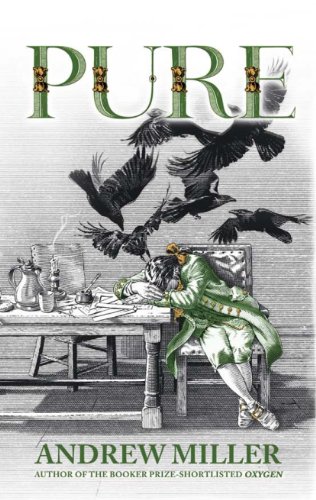
Set in pre-revolutionary Paris, this novel shares Lapvona's obsession with filth, decay, and the physical corruption of a specific time and place. It uses historical detail to create a claustrophobic and often stomach-turning atmosphere.

by Iain Banks
This cult classic features a young, isolated protagonist with a warped worldview and a penchant for ritualistic violence, much like the characters inhabiting Moshfegh's village. It is a masterclass in the macabre and the psychological outsider.

Though non-fiction, this exploration of transhumanism touches on the same themes of bodily limitations and the desire to transcend the 'meat' of human existence found in Lapvona. It shares Moshfegh's analytical, slightly detached, and darkly humorous tone.

Prefer to listen?
Try Audible and hear the story instead of reading it.
As an Amazon Associate, we earn from qualifying purchases.
As an Amazon Associate, we earn from qualifying purchases.