

Based on your book
Last Branch Standing
by Isgur, Sarah
Sarah Isgur offers a sharp, analytical look at the Supreme Court, moving past the partisan shouting matches to examine how the institution actually functions behind closed doors. Rather than just recounting headlines, she pulls back the curtain on the mechanics of judicial power, the weight of legal precedent, and the quiet, intense influence of the people who shape our nation's laws. The experience of reading this is like sitting in on a high-level briefing; it is dense, thought-provoking, and deeply grounded in the reality of Washington politics. You will find yourself reconsidering how you view the judiciary, not as a static entity, but as a living, breathing, and often messy political actor. This is essential reading for anyone who wants to move beyond the soundbites and truly understand the levers of power within our government.
10 Books similar to 'Last Branch Standing'
Since you enjoyed the granular, behind-the-scenes look at judicial power in Last Branch Standing, these selections were curated to deepen your understanding of the Court's institutional evolution. We chose these specific titles because they mirror Isgur’s commitment to exploring the friction between ideology and political theater. Whether you are interested in the intellectual history of the Federalist Society or the chaotic, human-centric drama of modern confirmation battles, these books provide the necessary context to understand how the judiciary became our most contested political arena. They offer a rigorous, multifaceted view of the power dynamics currently defining the American legal landscape.
As an Amazon Associate, we earn from qualifying purchases.

Like Isgur's analytical approach to the judiciary, this book offers an insider's look at the personalities and power dynamics shaping the Supreme Court. It provides a similar blend of high-stakes legal reporting and character-driven narrative.

by Ruth Marcus
This book mirrors the focus on the modern conservative legal movement that Isgur often covers. Readers interested in the mechanics of judicial appointments and the ideological shifts in the court will find this deeply relevant.

This work explores the friction between the executive and judicial branches, a core theme for anyone interested in constitutional law. Its accessible yet rigorous style matches the tone of high-level political commentary.

by Mollie Hemingway and Carrie Severino
For readers who appreciate a conservative perspective on the judicial confirmation process, this book provides a detailed, behind-the-scenes account. It aligns perfectly with the subject matter and ideological focus often discussed by Isgur.

Not sure what they've already read?
Let them pick their next favorite with an Amazon Gift Card.
As an Amazon Associate, we earn from qualifying purchases.

by Michael Avery and Danielle McLaughlin
This book provides essential context for the legal philosophy that underpins much of the current Supreme Court's jurisprudence. Fans of Isgur's work will appreciate this deep dive into the organizational history of modern legal conservatism.

by Carl Hulse
Hulse provides a play-by-play of the political warfare surrounding recent Supreme Court nominations. It shares the same 'inside baseball' quality that makes political analysis engaging and accessible to non-lawyers.
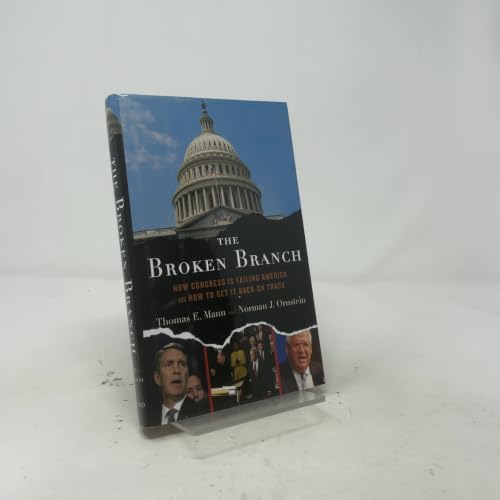
by Thomas E. Mann and Norman J. Ornstein
While focused on Congress rather than the Court, this book examines the institutional decay of American government. Readers interested in Isgur's analysis of the health of our democratic institutions will find this perspective vital.

For a lighter, satirical take on the Supreme Court nomination process, this novel is a perfect palate cleanser. It uses fiction to highlight the absurdity of the political theater that Isgur often analyzes seriously.
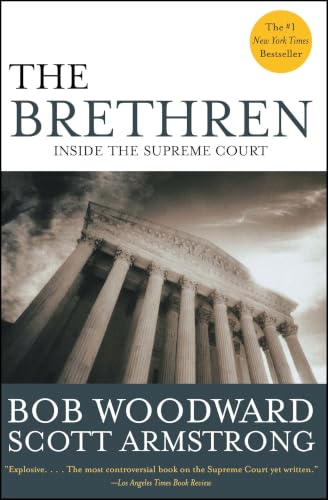
by Bob Woodward and Scott Armstrong
This classic piece of investigative journalism set the standard for writing about the Supreme Court. Its focus on the human interactions and internal conflicts of the justices remains a must-read for any student of the Court.

If the interest lies in the legal theory that drives the current Court, this collection of essays is essential. It provides the intellectual backbone for the arguments often cited by conservative legal scholars and commentators.

Prefer to listen?
Try Audible and hear the story instead of reading it.
As an Amazon Associate, we earn from qualifying purchases.
As an Amazon Associate, we earn from qualifying purchases.