

Based on your book
Last Date in El Zapotal
by García Elizondo, Mateo
Last Date in El Zapotal is a disquieting look at the intersection of isolation and legacy. The story centers on a man navigating the stifling, sun-baked claustrophobia of a small town where the past is not just remembered but actively haunts the present. Mateo Garcia Elizondo crafts a narrative that feels less like a traditional novel and more like a fever dream, where the line between reality and memory is constantly eroding. The pacing is deliberate and heavy, mirroring the protagonist's own sense of entrapment. It is a bleak, introspective study of how secrets rot from the inside out. This book is for readers who prefer their literature dark and existential, specifically those who appreciate prose that prioritizes atmosphere and psychological depth over tidy plot resolutions. If you enjoy feeling unsettled by the weight of history, this will stay with you.
10 Books similar to 'Last Date in El Zapotal'
Since this book operates in the liminal space between reality and haunting, I curated these selections to mirror its specific brand of existential dread. You will find that works like Pedro Paramo and The Invention of Morel echo the surreal, trapped feeling of the protagonist, while Hurricane Season captures that same unflinching gaze at societal decay. Whether you are drawn to the fragmented, memory-heavy structures found in The Things They Carried or the gritty, border-crossing intensity of Yuri Herrera, these stories all share a preoccupation with how the past refuses to stay buried.
As an Amazon Associate, we earn from qualifying purchases.
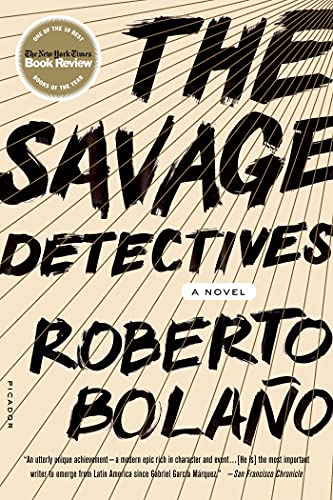
Like García Elizondo's work, this novel captures the gritty, restless spirit of Mexican youth and the search for meaning in a chaotic, often decaying world. It shares a similar obsession with the passage of time, the weight of memory, and the elusive nature of truth.

by Juan Rulfo
This seminal work is the spiritual ancestor to many contemporary Mexican explorations of death and liminal spaces. Its haunting, fragmented narrative structure and ghostly atmosphere mirror the surreal, existential journey found in Last Date in El Zapotal.

by Junot Díaz
This novel blends intense personal struggle with the heavy, inescapable weight of history and family curses. Readers who appreciated the raw, confessional tone of García Elizondo will connect with the protagonist's desperate search for identity and redemption.

Fuentes masterfully blurs the lines between reality, memory, and the supernatural, creating a claustrophobic and hypnotic experience. It shares the same unsettling, dreamlike quality that defines the protagonist's journey in El Zapotal.

Prefer to listen?
Try Audible and hear the story instead of reading it.
As an Amazon Associate, we earn from qualifying purchases.

For readers who appreciated the darker, more visceral elements of García Elizondo's writing, this novel offers a brutal, unflinching look at violence and societal decay in rural Mexico. It is a powerful, albeit harrowing, exploration of human nature under pressure.

This classic novella deals with a man trapped in an isolated, surreal environment where the boundaries between life, death, and recorded memory dissolve. It is a perfect companion piece for those fascinated by the existential isolation of the protagonist in El Zapotal.

by Yuri Herrera
Herrera’s prose is sparse, lyrical, and deeply concerned with the borders—both physical and metaphysical—that define a person's life. Its narrative economy and focus on a singular, transformative journey resonate strongly with the themes of García Elizondo's work.

While broader in scope, this multi-generational saga shares the Latin American literary tradition of weaving the mundane with the magical and the tragic. Fans of the family dynamics and historical weight in García Elizondo's writing will find much to admire here.

by Tim O'Brien
This book excels at blurring the line between truth and storytelling, focusing on the psychological burden of memory and trauma. It mirrors the way García Elizondo uses narrative to process the protagonist's past and impending end.
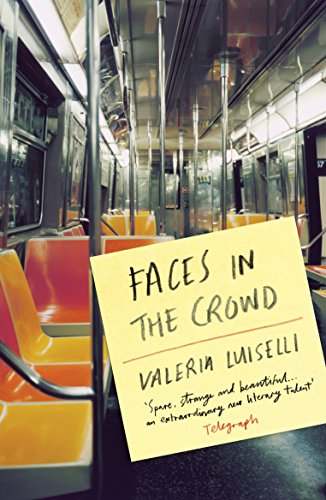
Luiselli writes with a fragmented, highly observational style that plays with the concept of ghosts—both literal and metaphorical—haunting the living. It shares the intellectual, literary sensibility found in García Elizondo's exploration of consciousness.

Love to read on the go?
Explore Kindle e-readers and take your books with you.
As an Amazon Associate, we earn from qualifying purchases.
As an Amazon Associate, we earn from qualifying purchases.