

Based on your book
Leap
by Winter, S. L.
Leap is a quiet, heavy exploration of what happens when the foundation of your identity suddenly shifts. S. L. Winter focuses on the internal earthquake that follows a moral crisis, tracking the protagonist as she navigates the wreckage of her own choices. The writing is deliberate and spare, favoring atmosphere over breakneck action; it feels like sitting across from someone who is finally ready to tell you the truth about their life. You will find yourself slowing down to match the book's introspective pace, which lingers on the discomfort of growth rather than the triumph of it. This book is for readers who prefer character studies over plot-driven page-turners, specifically those who aren't afraid of a narrative that asks difficult questions about belief, personal integrity, and the terrifying process of choosing who you are going to be next.
10 Books similar to 'Leap'
If the internal friction in Leap left you hungry for more, these titles expand on those same philosophical anxieties. We have curated a collection that bridges the gap between raw human experience and rigorous intellectual inquiry. Whether you are interested in the psychological mechanics of belief or the existential courage required to face death and meaninglessness, these books mirror the book's commitment to self-examination. By pairing narrative intensity with foundational texts on ethics and consciousness, we hope to provide a roadmap for those who want to continue the deep, often uncomfortable work of understanding the human condition.
As an Amazon Associate, we earn from qualifying purchases.

As a seminal text on the psychology of belief, this book mirrors the analytical and philosophical inquiry found in 'Leap.' It provides a deeply intellectual exploration of why individuals commit to faith, making it a perfect companion for readers interested in the mechanics of conviction.
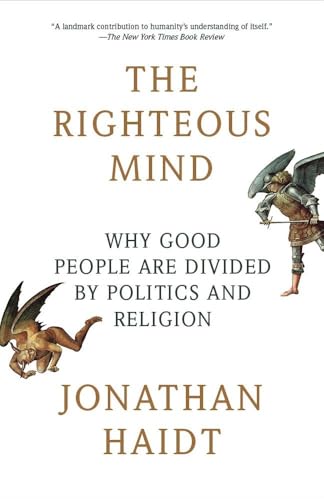
Haidt’s exploration of the moral foundations of belief systems resonates with the thematic concerns of 'Leap.' It offers a rigorous, informative look at how our intuitions shape our worldviews, appealing to those who enjoyed the book's deep dive into human nature.

This profound work echoes the themes of finding purpose and making a 'leap' toward resilience in the face of impossible circumstances. It shares the same reflective and poignant tone, focusing on the human capacity to choose one's attitude in any given set of circumstances.

by Albert Camus
For readers fascinated by the philosophical weight of 'Leap,' Camus provides a foundational text on the absurd and the necessity of embracing one's existence. It is an essential read for anyone grappling with the tension between human desire for meaning and the silence of the universe.

Prefer to listen?
Try Audible and hear the story instead of reading it.
As an Amazon Associate, we earn from qualifying purchases.

by Sam Harris
Harris bridges the gap between scientific inquiry and the subjective experience of consciousness, much like the investigations in 'Leap.' It is ideal for readers who appreciate a skeptical yet deeply curious approach to understanding the 'leap' into spiritual or meditative states.

This Pulitzer Prize-winning book offers a psychological framework for understanding human behavior that complements the inquiries in 'Leap.' It is a dense, rewarding read for those interested in the 'why' behind our cultural and individual leaps of faith.
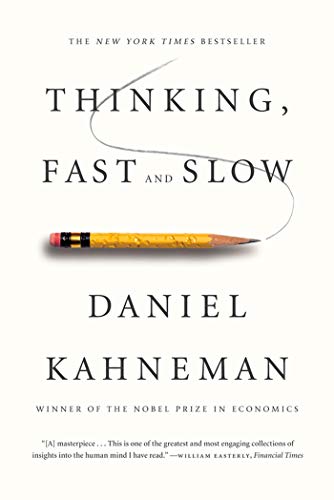
Kahneman’s exploration of the two systems that drive our thoughts provides the cognitive science backdrop for the decision-making processes discussed in 'Leap.' It is a perfect match for readers who enjoy dissecting the mechanics of human judgment and belief.

While more rooted in nature, this book offers a beautiful, reflective 'leap' into a different way of knowing and being in the world. It shares the contemplative and empowering tone of 'Leap,' inviting readers to reconsider their relationship with reality.

by Paul Tillich
Tillich’s classic theological and philosophical work directly addresses the anxiety of existence, which is a core motif in 'Leap.' It provides a deeply intellectual framework for understanding how one finds the courage to affirm life despite the threat of non-being.

Yalom’s compassionate, psychological approach to the ultimate existential challenge mirrors the investigative spirit of 'Leap.' It is a deeply humanistic book that encourages readers to make the 'leap' toward living more authentically by confronting their deepest fears.

Love to read on the go?
Explore Kindle e-readers and take your books with you.
As an Amazon Associate, we earn from qualifying purchases.
As an Amazon Associate, we earn from qualifying purchases.