

Based on your book
Lies My Teacher Told Me
by James W. Loewen
Lies My Teacher Told Me pulls back the curtain on the sanitized version of American history we often learn in school. James W. Loewen meticulously deconstructs common textbooks, showing how they 'heroify' figures and gloss over uncomfortable truths, leading to a shallow understanding of our past. Reading it feels like a revelation, sometimes unsettling, as long-held assumptions crumble under his clear, evidence-based analysis. It's a direct, informative read that doesn't shy away from disturbing facts. This book is for anyone who loves peeling back layers, thinking critically, and wants to understand the complex, often messy, story of America beyond the easy narratives. You'll finish it with a sharpened eye for historical manipulation and a hunger for deeper truth.
10 Books similar to 'Lies My Teacher Told Me'
If you found yourself nodding along, or perhaps bristling, at Loewen's dissection of historical myths, then you'll find plenty to dig into with our recommendations. These books share that same spirit of critical inquiry, unafraid to challenge conventional wisdom and expose the often-hidden power dynamics that shape our understanding of the world. They offer deep dives into social commentary, uncovering secrets and lies embedded in our cultural narratives, and demanding a more honest look at our past and present. Each one is a thought-provoking journey into the analytical mind, much like Loewen's own.
As an Amazon Associate, we earn from qualifying purchases.

by Howard Zinn
Zinn's seminal work offers a panoramic view of American history from the perspective of its working people, women, and marginalized communities, directly challenging the heroic narratives often presented in textbooks, much like Loewen. It encourages readers to question official histories and understand the struggles for justice and equality.

Kendi meticulously traces the origins and evolution of racist ideas throughout American history, dissecting how they have been constructed and perpetuated. Readers who appreciate Loewen's debunking of historical myths will find a similar rigorous and eye-opening analysis applied specifically to the pervasive nature of racism.

by Jill Lepore
Lepore provides a comprehensive, single-volume history of the United States that doesn't shy away from its contradictions and complexities, offering a nuanced counterpoint to simplistic national narratives. Like Loewen, she encourages a deeper, more critical engagement with the past, examining how 'these truths' have been contested and reimagined.
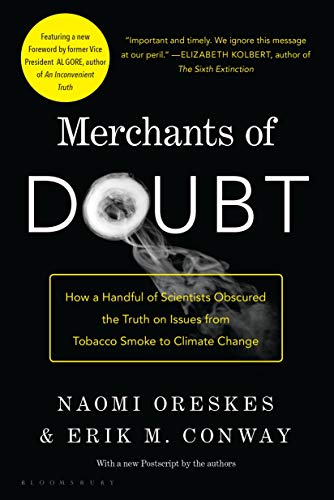
by Naomi Oreskes and Erik M. Conway
This book exposes how a small group of prominent scientists deliberately misled the public on issues ranging from tobacco to climate change, mirroring Loewen's examination of how historical narratives can be manipulated. It offers a powerful look at the mechanisms of misinformation and the suppression of truth for political and economic gain.

Love to read on the go?
Explore Kindle e-readers and take your books with you.
As an Amazon Associate, we earn from qualifying purchases.

Alexander argues that the U.S. criminal justice system functions as a contemporary racial caste system, revealing the hidden structures of oppression that persist despite claims of a 'colorblind' society. Readers who appreciate Loewen's uncovering of systemic historical injustices will find a compelling and urgent analysis of modern-day inequities.

Rothstein meticulously demonstrates how explicit government policies and laws, not just individual prejudices, created and maintained residential segregation across America. This book directly debunks the myth of 'de facto' segregation, offering a powerful, evidence-based critique of official narratives that will resonate with Loewen's readers.

by Sven Beckert
Beckert's global history of cotton reveals the brutal and often hidden forces that shaped modern capitalism, slavery, and industrialization across continents. Fans of Loewen will appreciate the deep historical dive and the way it exposes uncomfortable truths behind seemingly benign aspects of history, challenging romanticized notions of progress.

Solnit challenges the popular myth of panic and selfishness during disasters, presenting compelling evidence of spontaneous altruism and community building. Like Loewen, she debunks widely held, often cynical, narratives by offering a more nuanced and often inspiring look at human behavior when conventional structures fail.

Snyder draws urgent lessons from 20th-century history to provide a guide for understanding and resisting authoritarianism in the present day. Readers who appreciate Loewen's historical analysis and its relevance to contemporary issues will find a concise yet powerful call to critical awareness and civic action.

Pollan takes readers on a journey through the industrial, organic, and hunter-gatherer food chains, exposing the hidden realities and ethical complexities of what we eat. While not history in the traditional sense, it shares Loewen's spirit of critical inquiry, encouraging readers to question conventional wisdom and look 'behind the scenes' of everyday life.

Not sure what they've already read?
Let them pick their next favorite with an Amazon Gift Card.
As an Amazon Associate, we earn from qualifying purchases.
As an Amazon Associate, we earn from qualifying purchases.