

Based on your book
Life for Sale
by 三島由紀夫
Mishima’s "Life for Sale" drops you into the disorienting mind of Hanio, a man who, after a botched suicide attempt, decides his life is no longer his own – he’ll sell it to anyone who wants to use it for their nefarious schemes. What unfolds is a series of increasingly bizarre and dangerous encounters, each one chipping away at any conventional sense of meaning or self. The book feels like a cold, unsettling gaze into the abyss of existential dread, a stark examination of what happens when a person completely detaches from their own existence. It's a deeply psychological journey, bleak and often disturbing, as Hanio navigates a world where he is merely a pawn, yet paradoxically, still searching for a flicker of purpose. This is for readers who appreciate a challenging, philosophical dive into moral ambiguity and the absurd, unafraid of a story that leaves you with more questions than answers.
10 Books similar to 'Life for Sale'
If Mishima’s unsettling exploration of detachment and the absurd resonated with you, you’ll find similar thematic echoes in our other recommendations. Books like Camus's "The Stranger" and Dazai's "No Longer Human" share "Life for Sale"'s focus on alienated protagonists grappling with existence outside societal norms. For those drawn to the psychological intensity and moral ambiguity, Dostoevsky's "Notes from Underground" and Kafka's "The Trial" offer equally bleak and introspective journeys into the human psyche and the search for meaning in a bewildering world. These are all books that challenge your perspective, much like Hanio's strange odyssey.
As an Amazon Associate, we earn from qualifying purchases.
by Albert Camus
Like Hanio, Meursault is an alienated protagonist who confronts the absurdity of existence, leading to profound philosophical questions about life's meaning and society's judgment. Both books feature a detached narrative voice exploring existential themes and the consequences of living outside societal norms.

by Osamu Dazai
This Japanese classic delves into the profound alienation and self-destructive tendencies of its protagonist, Yozo Oba, mirroring Hanio's detachment and his desperate, often dark, attempts to navigate a world he feels separate from. It's a deep psychological dive into despair and the struggle for genuine connection.

Dostoevsky's anti-hero, the Underground Man, offers a cynical and deeply introspective monologue on free will, rationality, and human nature, echoing Hanio's alienated perspective and his philosophical struggles with meaning. The tone is similarly dark, psychological, and explores the darker facets of human consciousness.
by Franz Kafka
Josef K.'s bewildering journey through an incomprehensible legal system mirrors Hanio's descent into absurd and dangerous situations, exploring themes of powerlessness, alienation, and the search for meaning in an illogical world. Both narratives evoke a sense of oppressive mystery and psychological tension.

Not sure what they've already read?
Let them pick their next favorite with an Amazon Gift Card.
As an Amazon Associate, we earn from qualifying purchases.

This dystopian novel provocatively explores free will, morality, and societal control through its anti-hero, Alex, much like "Life for Sale" questions the value of life and individual autonomy in extreme circumstances. Both are disturbing and thought-provoking explorations of human nature and its darker impulses.

by Franz Kafka
Gregor Samsa's sudden, inexplicable transformation and subsequent alienation from his family and society resonate with Hanio's radical decision to commodify his life, both exploring themes of identity breakdown and the absurd. It shares a claustrophobic and psychologically tense atmosphere that fans of Mishima will appreciate.

This contemporary Japanese novel features a protagonist who finds solace and identity in an unconventional life, much like Hanio attempts to define himself outside societal norms, offering a quirky yet incisive social commentary on conformity and alienation. It explores the quiet rebellion of an outsider.
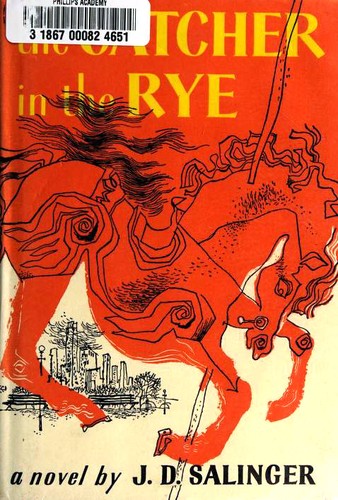
Holden Caulfield's cynical, alienated perspective and his struggle to find authenticity in a world he perceives as "phony" will appeal to readers who appreciate Hanio's detached and critical view of society and his search for meaning. It's a classic exploration of adolescent angst and disillusionment.

This novel delves into themes of existential angst, consumerism, and the search for meaning through destructive acts, featuring an unreliable narrator and a dark, cynical tone that aligns with Mishima's exploration of alienation and rebellion. It's a gritty, psychological thriller that questions societal values.

by Oscar Wilde
Dorian Gray's Faustian bargain and subsequent moral decay, as he lives a life of hedonism while his portrait bears the burden of his sins, explores themes of morality, identity, and the consequences of one's choices, echoing Hanio's detachment from his own life. It's a dark, philosophical tale of self-destruction.

Prefer to listen?
Try Audible and hear the story instead of reading it.
As an Amazon Associate, we earn from qualifying purchases.
As an Amazon Associate, we earn from qualifying purchases.