

Based on your book
Lincoln in the Bardo
by Saunders, George
George Saunders constructs a cemetery filled with ghosts who do not realize they are dead, all hovering around the freshly buried body of Abraham Lincoln’s young son, Willie. The narrative is a collage of historical snippets and the cacophonous, overlapping voices of the departed, creating a reading experience that feels like watching a play through a fractured lens. It is disorienting at first, but once you adjust to the rhythm of the spirits, the book transforms into an incredibly moving meditation on grief and the difficulty of letting go. This is not a straightforward historical novel; it is a strange, experimental, and deeply human work. It is best suited for readers who value atmosphere over linear plot and who are willing to lean into a book that is as intellectually challenging as it is emotionally devastating.
10 Books similar to 'Lincoln in the Bardo'
If the polyphonic structure and ghostly atmosphere of Lincoln in the Bardo left you wanting more, these selections explore the same liminal spaces between history, memory, and the supernatural. We chose these titles because they share a commitment to experimental storytelling, using fragmented perspectives and magical realism to grapple with the weight of trauma. Whether through the lyrical haunting of Toni Morrison or the intricate, nested narratives of David Mitchell, each of these books captures that specific, melancholic sense of being caught between worlds, making them perfect follow-ups for any reader drawn to Saunders’ unique voice.
As an Amazon Associate, we earn from qualifying purchases.
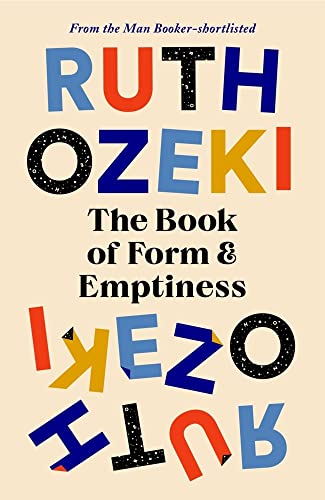
by Ruth Ozeki
Like Saunders, Ozeki masterfully blends the mundane with the metaphysical, using a unique narrative voice and experimental structure to explore grief and the nature of reality. It shares the same deeply empathetic, philosophical, and slightly surreal approach to human suffering.

This masterpiece deals with the haunting nature of the past and the intersection of history and the supernatural, much like Saunders' exploration of the Bardo. It captures the visceral, ghostly weight of trauma and loss with lyrical intensity.

Fans of Saunders' polyphonic structure will appreciate Mitchell's ambitious, nested narrative style that jumps across time and genre. It shares a similar fascination with the interconnectedness of human experience and the echoes we leave behind.

For readers drawn to the fragmented, stream-of-consciousness voices in 'Lincoln in the Bardo,' Faulkner's classic provides a challenging yet rewarding experience. It uses shifting perspectives to peel back the layers of a family's decay and tragedy.

Love to read on the go?
Explore Kindle e-readers and take your books with you.
As an Amazon Associate, we earn from qualifying purchases.

by Mohsin Hamid
Hamid uses a subtle, magical-realist premise to explore the profound human experience of migration and loss. It shares Saunders' ability to distill immense, global-scale tragedies into intimate, deeply felt personal narratives.

by Juan Rulfo
A seminal work of magical realism that heavily influenced the genre, this novel features a protagonist wandering into a town of ghosts. Its ghostly, fragmented narrative and exploration of the dead interacting with the living are direct thematic ancestors to Saunders' work.

by Junot Díaz
While tonally different, Díaz utilizes footnotes and a polyphonic, layered narrative style that mirrors the academic/historical citations in Saunders' book. It balances humor and tragedy with a unique, energetic voice that tackles heavy historical trauma.

Egan uses a non-linear, experimental structure—including a PowerPoint chapter—to examine the passage of time and the lingering effects of the past on the present. It shares the same clever, inventive spirit and emotional depth as Saunders' writing.

by Don DeLillo
This expansive novel captures the 'bardo' of American history, weaving together disparate voices and events to create a portrait of a society haunted by its own past. It is a dense, philosophical, and highly rewarding read for those who enjoy Saunders' scope.

by Neil Gaiman
Gaiman expertly captures the liminal space between childhood memory and adult reality, utilizing magical elements to process trauma and grief. It shares the 'haunted' quality and the sense of wonder found in Saunders' afterlife setting.

Not sure what they've already read?
Let them pick their next favorite with an Amazon Gift Card.
As an Amazon Associate, we earn from qualifying purchases.
As an Amazon Associate, we earn from qualifying purchases.