

Based on your book
Liquid modernity
by Zygmunt Bauman
Liquid Modernity by Zygmunt Bauman offers a profound framework for understanding the anxieties and uncertainties of our contemporary world. Bauman posits that society has transitioned from a 'solid' modernity, characterized by stable institutions and enduring social structures, to a 'liquid' one, where everything—from relationships to identities, work, and community—is constantly shifting, dissolving, and reforming. Reading this book is an intensely intellectual experience; it's like engaging in a rigorous, philosophical debate that demands your full attention. Bauman's analytical prose encourages deep reflection on the implications of this fluidity for human existence, power dynamics, and our collective sense of belonging. This is for readers who seek comprehensive social commentary and cultural analysis, those who enjoy grappling with complex ideas about isolation, existential challenges, and the precarious nature of life in the 21st century.
10 Books similar to 'Liquid modernity'
For readers who found themselves nodding along with Bauman's insights into our increasingly fluid and uncertain world, our curated list offers further explorations. If the feeling of social structures dissolving, the creeping sense of individual precarity, and the profound impact of power on everyday life resonated with you, these books continue that vital conversation. From critiques of pervasive surveillance and media influence to examinations of declining social bonds and the inescapable nature of contemporary capitalism, each selection deepens your understanding of the challenges Bauman so eloquently unpacks.
As an Amazon Associate, we earn from qualifying purchases.
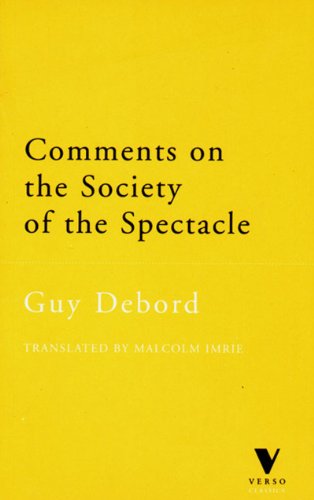
by Guy Debord
Debord's seminal work offers a powerful critique of modern society, arguing that life in advanced capitalist countries is characterized by a 'spectacle' of images and commodities. Fans of Bauman will appreciate the deep philosophical and sociological analysis of alienation, consumerism, and the erosion of authentic human experience.

by Noam Chomsky and Edward S. Herman
This book systematically analyzes how mass media in the United States serves as a propaganda model for the powerful, shaping public opinion to align with corporate and state interests. Readers who appreciate Bauman's critical lens on societal structures will find a similarly rigorous and challenging examination of power and control.

Foucault explores the historical transformation of punishment and the rise of disciplinary power, arguing that modern society is characterized by pervasive surveillance and control. Its deep historical and philosophical analysis of power structures and their impact on individuals resonates strongly with Bauman's examination of modern social control and individual precarity.

by Mark Fisher
Fisher argues that capitalism has become so pervasive that it's easier to imagine the end of the world than the end of capitalism, impacting everything from politics to mental health. This book offers a contemporary and incisive critique of modern society's ideological constraints, much like Bauman's analysis of the inescapable nature of 'liquid modernity.'

Prefer to listen?
Try Audible and hear the story instead of reading it.
As an Amazon Associate, we earn from qualifying purchases.

Arendt's monumental work explores the fundamental categories of human life—labor, work, and action—and their changing significance in the modern world. Its profound philosophical inquiry into the nature of human existence, public life, and alienation provides a foundational understanding that complements Bauman's critique of modern societal transformations.

Putnam meticulously documents the decline of social capital and civic engagement in America, highlighting the move from collective participation to individual isolation. This book offers empirical evidence and sociological analysis that beautifully illustrates the 'liquefaction' of social bonds and the rise of individualism that Bauman theorizes.

Harari provides a sweeping narrative of human history, from the Stone Age to the 21st century, questioning the very foundations of our societies, beliefs, and future. Its grand scope and critical examination of human constructs and societal evolution will appeal to readers who enjoy Bauman's broad, analytical approach to understanding modernity.

Lasch critiques modern American culture, arguing that it fosters a narcissistic personality type preoccupied with self-image and consumerism, leading to a decline in civic virtue. This book offers a psychological and sociological parallel to Bauman's work, exploring how the pressures of modern life shape individual identity and social relations.

by Neil Postman
Postman argues that the rise of television transformed public discourse from a serious, rational exchange of ideas into a form of entertainment, eroding critical thought. Fans of Bauman will appreciate this incisive critique of media's role in shaping modern consciousness and its implications for democracy and intellectual life.

Desmond's powerful ethnographic study reveals the devastating impact of eviction on low-income families in Milwaukee, exposing the systemic issues of poverty and housing insecurity. While more grounded, it vividly illustrates the human cost and precarity that are central to Bauman's concept of 'liquid modernity,' making abstract theories heartbreakingly real.

Love to read on the go?
Explore Kindle e-readers and take your books with you.
As an Amazon Associate, we earn from qualifying purchases.
As an Amazon Associate, we earn from qualifying purchases.