

Based on your book
Little Eyes
by Schweblin, Samanta
Little Eyes introduces the Kentukis, plush toys embedded with cameras that allow one person to watch another from across the globe. You are either the owner of the toy or the person peering through its eyes, and the lack of rules creates a vacuum where human nature runs wild. Schweblin avoids easy moralizing, instead letting the creepiness of this voyeuristic setup seep into the mundane lives of her characters. The pacing is deliberate, shifting between disparate lives to show how this technology warps the concepts of empathy, privacy, and control. It feels less like a traditional novel and more like a collection of unsettling case studies. If you enjoy fiction that makes you question your own digital habits and prefer stories that leave you feeling slightly exposed rather than tidy, this will stay with you long after the final page.
10 Books similar to 'Little Eyes'
Since Little Eyes excels at exploring the unsettling friction between human intimacy and technological surveillance, I have curated a list that leans into that same psychological discomfort. These selections prioritize the slow-burn dread of societal collapse and the moral ambiguity of our digital existence. Whether it is the corporate overreach in The Warehouse or the fragmented, detached perspectives in The Employees, these books share the same DNA as Schweblin’s work. They are perfect for readers who find the most terrifying technology is not the machine itself, but how we choose to use it.
As an Amazon Associate, we earn from qualifying purchases.

by Dave Eggers
Like Little Eyes, this novel explores the chilling intersection of technology and human behavior, specifically focusing on the erosion of privacy and the obsession with constant surveillance. It mirrors Schweblin's cautionary tone about how modern tools can fundamentally alter our social fabric and personal morality.
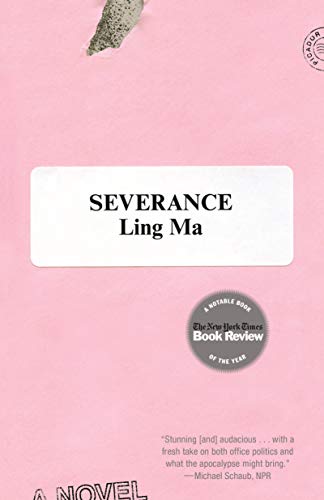
by Ling Ma
This book shares a similar detached, observational narrative style while examining how societal structures collapse under the weight of routine and obsession. Fans of Schweblin's uncanny ability to make the mundane feel unsettling will appreciate this satirical take on late-stage capitalism and isolation.
Given that Little Eyes feels like a spiritual cousin to the Black Mirror television series, this anthology offers the same bite-sized, technologically-driven nightmares. It captures the exact same feeling of unease regarding how we integrate technology into our most intimate human experiences.

by Ted Chiang
Chiang’s collection of stories shares Schweblin's intellectual rigor and her focus on the philosophical implications of technological advancement. These stories, much like the Kentukis, force the reader to confront what it means to be human in a world increasingly defined by artificial constructs.

Prefer to listen?
Try Audible and hear the story instead of reading it.
As an Amazon Associate, we earn from qualifying purchases.

by Olga Ravn
Told through a series of witness statements, this novel captures the same fragmented, multiple-perspective structure found in Little Eyes. It delves into the strange, dehumanizing relationship between humans and the artificial entities they create, maintaining an atmosphere of claustrophobic tension.

For readers who loved the specific, haunting prose style of Little Eyes, Schweblin's earlier work is essential reading. It utilizes a similar sense of dread and psychological instability, proving that the author is a master of creating tension through dialogue and unseen threats.

This novel explores a near-future society obsessed with digital status and surveillance, mirroring the voyeuristic themes of Little Eyes. It blends dark satire with a genuine, albeit tragic, exploration of human connection in an increasingly digital and superficial world.

Saramago’s masterpiece examines how quickly societal norms dissolve in the face of a sudden, inexplicable shift in reality, much like the introduction of the Kentukis. It shares the same bleak, unflinching look at human nature under pressure and the breakdown of empathy.

by Rob Hart
This thriller provides a gripping look at a monopolistic corporation that controls every aspect of its employees' lives, echoing the themes of corporate overreach found in Schweblin's work. It is a fast-paced, suspenseful exploration of the cost of convenience and the loss of individual agency.

While less focused on technology, this book perfectly captures the 'outsider perspective' and the feeling of being a cog in a larger, indifferent machine. Fans of the detached, observational tone in Little Eyes will find the protagonist's struggle to conform to societal expectations deeply resonant.

Love to read on the go?
Explore Kindle e-readers and take your books with you.
As an Amazon Associate, we earn from qualifying purchases.
As an Amazon Associate, we earn from qualifying purchases.