

Based on your book
Livewired
by Eagleman, David
David Eagleman argues that your brain is not a static piece of hardware, but a constantly shifting, self-organizing system that physically reconfigures itself based on every experience you have. He moves away from the old computer-processor metaphor to describe a living, breathing network that is never finished. The reading experience is intellectual and brisk, filled with vivid anecdotes that make complex neuroscience feel intimate rather than academic. You will find yourself looking at your own habits and physical capabilities through a lens of infinite potential. This book is for the reader who enjoys philosophical inquiries into identity and is looking for a scientific foundation for the idea that we are not fixed entities. It is an ideal pick if you enjoy questioning the boundaries between your biology, your choices, and your future self.
10 Books similar to 'Livewired'
Since you finished Livewired and are likely craving more insights into the mechanics of the mind, I have gathered a selection of titles that explore the same intersection of biology and identity. These books share a common curiosity about how our neural architecture shapes our existence, whether through the lens of psychology, evolutionary biology, or clinical observation. If you are intrigued by the way our brains construct reality and dictate our behavior, these selections will help you deepen your understanding of the intricate dance between our physical gray matter and our conscious lives.
As an Amazon Associate, we earn from qualifying purchases.

Like Eagleman's work, this book explores the revolutionary concept of neuroplasticity, detailing how the brain can rewire itself to overcome limitations. It provides fascinating case studies that mirror the scientific curiosity and optimism found in Livewired.

Ramachandran investigates the mysteries of the human mind through neurological case studies, much like Eagleman's exploration of brain function. It is a deeply engaging look at how strange brain phenomena reveal the fundamental nature of our consciousness.

Sapolsky offers a comprehensive, deeply researched look at human behavior through the lens of biology and neuroscience, appealing to the same analytical mind that enjoys Eagleman's systems-thinking approach. It connects the micro-workings of the brain to the macro-outcomes of society.

Since you enjoyed Livewired, this earlier work by the same author is essential reading for understanding the unconscious processes that drive our daily lives. It shares the same accessible, witty, and mind-bending narrative style that makes Eagleman's writing so distinct.

Prefer to listen?
Try Audible and hear the story instead of reading it.
As an Amazon Associate, we earn from qualifying purchases.
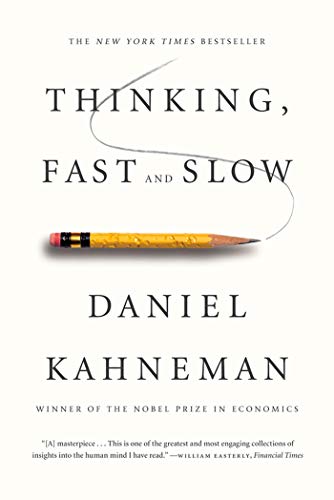
This classic explores the dual systems that drive our thought processes, providing a structural understanding of the mind that complements Eagleman's focus on plasticity. It challenges readers to rethink how they perceive reality and decision-making.

by Oliver Sacks
Sacks presents neurological conditions as deeply human stories, mirroring the empathy and wonder Eagleman brings to his scientific inquiries. It is a masterful blend of clinical observation and profound storytelling that reveals the fragility and resilience of the brain.

Barrett challenges the traditional view of emotions, arguing they are constructed by the brain rather than hardwired, which aligns perfectly with the 'livewired' perspective of a dynamic, adaptive mind. It is a provocative and scientific exploration of human experience.

This concise, engaging book breaks down complex neuroscience into digestible lessons, much like the approachable style of Eagleman. It is perfect for readers who want to understand the brain's evolutionary purpose without getting bogged down in dense jargon.

Focusing on what brain abnormalities can teach us about the normal brain, this book shares the same sense of awe and discovery as Eagleman's writing. It explores the 'why' behind human nature through the lens of neurology.

by Rick Hanson
Hanson bridges the gap between ancient contemplative practices and modern neuroscience, showing how we can intentionally reshape our brains for the better. It aligns with Eagleman's themes of neuroplasticity and the potential for self-directed change.

Love to read on the go?
Explore Kindle e-readers and take your books with you.
As an Amazon Associate, we earn from qualifying purchases.
As an Amazon Associate, we earn from qualifying purchases.