

Based on your book
Logocratie
by Clément Viktorovitch
Clément Viktorovitch argues that our political reality is no longer shaped by facts or shared values, but by the strategic manipulation of language. In Logocratie, he dissects how politicians use rhetoric not to inform or debate, but to construct a version of the world that keeps them in power. The reading experience is clinical and sharp; it feels like watching a surgeon peel back the layers of a televised speech to reveal the gears turning underneath. You will find yourself pausing after every few pages to look at the news with a completely different set of eyes. This is an essential read for anyone who feels exhausted by modern political discourse and wants to move beyond mere frustration toward a deeper, more structural understanding of how our perceptions are being manufactured in real time.
10 Books similar to 'Logocratie'
If this analysis of linguistic power leaves you wanting more, our curated list focuses on the mechanics of persuasion and the erosion of public truth. We selected these titles because they bridge the gap between Viktorovitch’s theoretical framework and the practical reality of how communication shapes democracy. Whether you want to explore the psychological roots of our political divides with Jonathan Haidt, understand the historical blueprints of propaganda via Edward Bernays, or examine the degradation of expertise with Tom Nichols, these books offer the necessary tools to decode the rhetoric defining our current cultural moment.
As an Amazon Associate, we earn from qualifying purchases.

Like Viktorovitch, Snyder provides a sharp, accessible analysis of how language and political structures are manipulated to erode democracy. It serves as a practical, imperative guide for citizens to recognize and resist authoritarian rhetoric.
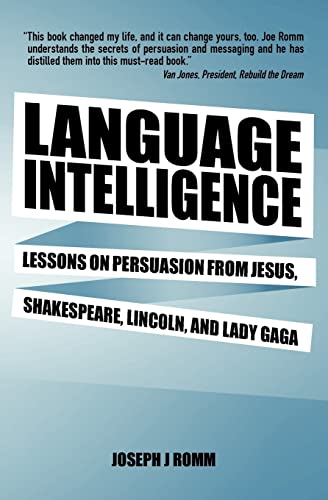
This book explores the mechanics of rhetoric and persuasion, much like Viktorovitch’s deep dive into the 'logocratie' of modern politics. It breaks down how effective communication shapes reality and influences public opinion.

by Tom Nichols
Nichols examines the decline of informed discourse and the rise of anti-intellectualism, themes that resonate strongly with Viktorovitch’s critique of modern political debate. It is a sobering look at how the degradation of language impacts societal trust.

Gladwell investigates the failures of communication and the misinterpretations that plague our interactions, paralleling Viktorovitch’s interest in how political language creates distance and misunderstanding. It challenges the reader to rethink how we interpret the intentions of others.

Not sure what they've already read?
Let them pick their next favorite with an Amazon Gift Card.
As an Amazon Associate, we earn from qualifying purchases.

This foundational text provides the historical blueprint for the manipulation of public opinion that Viktorovitch critiques in his work. Reading it offers essential context for understanding the roots of modern political spin and mass persuasion.

While fiction, Orwell’s masterpiece is the ultimate exploration of how controlling language ('Newspeak') is the primary method of controlling thought and reality. Readers of Viktorovitch will appreciate the fictionalized manifestation of the linguistic dangers he warns against.

Haidt explores the psychological foundations of our political divides, offering a framework that complements Viktorovitch’s analysis of why political rhetoric is so polarizing. It helps explain the 'why' behind the linguistic battles we see in the public sphere.

by Frank Luntz
Luntz provides a behind-the-scenes look at how political language is engineered to achieve specific outcomes, providing a practical counterpart to Viktorovitch’s theoretical critique. It exposes the deliberate nature of political communication strategies.

Graeber’s critique of the modern workplace and the meaningless language used to justify it shares the same critical, dissecting spirit as Viktorovitch’s work. It challenges the reader to look past the surface-level narrative of our economic and political systems.

Arendt’s seminal work on the mechanisms of power and the erosion of truth is an essential companion to Viktorovitch’s study of political discourse. It provides the heavy, intellectual grounding needed to understand the fragility of democratic language.

Prefer to listen?
Try Audible and hear the story instead of reading it.
As an Amazon Associate, we earn from qualifying purchases.
As an Amazon Associate, we earn from qualifying purchases.