

Based on your book
Lord Byron
by Byron, George Gordon Lord
Reading Byron is less like opening a book and more like being cornered at a party by a brilliant, dangerous acquaintance who refuses to stop talking until you understand the full scope of his misery and genius. His work functions as a map of the nineteenth-century psyche, oscillating between sharp, biting satire and the kind of raw, existential dread that feels surprisingly contemporary. You will find yourself navigating long stretches of travel and deep introspection, punctuated by moments of intense, almost reckless, emotional honesty. This is not for the reader who wants a tidy, comforting narrative. It is for those who are drawn to the archetype of the anti-hero—men who have everything, yet find themselves hollowed out by their own brilliance. If you appreciate prose that feels like a confession, you will find these pages impossible to put down.
10 Books similar to 'Lord Byron'
When you finish with Byron, you will likely be looking for that specific intersection of intellectual arrogance and profound, lonely longing. We curated this list to capture the ripple effect of his influence, from the gothic isolation found in Frankenstein to the sharp social critique of Dorian Gray. These selections mirror the Byronic tendency toward the self-destructive hero and the heavy, atmospheric weight of romantic obsession. Whether you want to explore the roots of the moody wanderer or see his spirit reflected in more modern, tragic figures, these books maintain that same high-stakes emotional intensity.
As an Amazon Associate, we earn from qualifying purchases.

As the quintessential Byronic text, this long narrative poem is essential for understanding the archetype of the moody, wandering hero. It captures the exact blend of melancholy, travel, and philosophical reflection that defines Byron's literary voice.

by Mary Shelley
Written during the same era and deeply influenced by the Romantic circle Byron moved in, this novel explores the darker, gothic side of the Romantic movement. Fans of Byron's intense emotionality will appreciate the philosophical depth and the tragic, isolated protagonist.
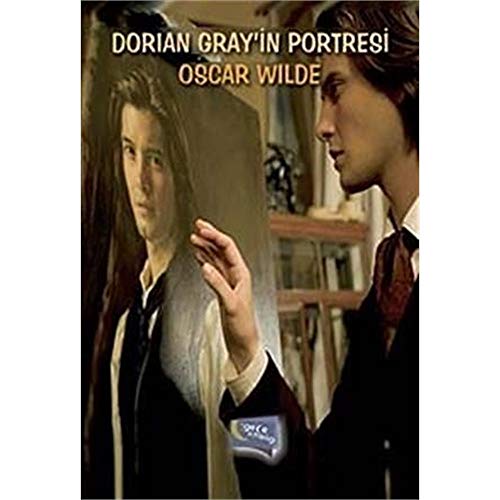
by Oscar Wilde
Wilde was a spiritual successor to Byron's wit and obsession with aestheticism, and this novel features a protagonist who embodies the hedonism and moral complexity often associated with the Byronic hero. It is a perfect match for readers who enjoy sharp, cynical social commentary paired with dark romanticism.

by Emily Brontë
Heathcliff is perhaps the most famous literary iteration of the Byronic hero—tormented, brooding, and deeply passionate. Readers who love Byron's exploration of destructive love and intense, stormy emotions will find this novel deeply resonant.

Love to read on the go?
Explore Kindle e-readers and take your books with you.
As an Amazon Associate, we earn from qualifying purchases.

This epistolary novel is the defining text of the 'Sturm und Drang' movement, which parallels the emotional intensity of Byron's work. It captures the same spirit of romantic longing and the tragic consequences of unchecked emotion.

This epic tale of vengeance and transformation features a protagonist whose brooding intellect and social isolation mirror the Byronic hero. The grand scale and high-stakes drama will appeal to readers who enjoy Byron's larger-than-life narratives.

To truly understand the man behind the myth, his personal correspondence is essential reading. These letters reveal a witty, scandalous, and deeply self-aware individual whose voice is just as captivating as his poetry.

Pushkin was profoundly influenced by Byron, and this novel-in-verse features a quintessential 'superfluous man' who is a direct descendant of the Byronic hero. It is a brilliant, satirical, and deeply moving portrait of a bored aristocrat seeking purpose.

by Victor Hugo
Hugo's grand, sweeping narrative shares the Romantic era's obsession with the struggle of the individual against society. Readers who enjoy the political passion and sweeping scope of Byron's longer works will find this masterpiece deeply satisfying.

While set in the 1920s, Jay Gatsby is a modern American Byronic hero—a man defined by his obsession, his mysterious past, and his tragic, romantic longing. The prose style is lyrical and atmospheric, echoing the romanticism that Byron championed.

Not sure what they've already read?
Let them pick their next favorite with an Amazon Gift Card.
As an Amazon Associate, we earn from qualifying purchases.
As an Amazon Associate, we earn from qualifying purchases.