

Based on your book
Lord of All Things
by Eschbach, Andreas
Lord of All Things follows the life of Hiroshi Kato, a man whose singular genius for engineering allows him to reshape the physical world. The story tracks his journey from a childhood defined by scarcity to a position of immense, god-like influence, yet the narrative is far from a standard tech-focused epic. Instead, it functions as a long-form meditation on what happens when a person gains the power to build anything they can imagine, only to find that human relationships and moral consequences remain stubbornly beyond their control. The pacing is deliberate and introspective, favoring deep character study over quick thrills. You should pick this up if you enjoy stories that treat scientific discovery as a burden rather than a miracle, and if you have the patience for a book that asks uncomfortable questions about the price of ambition.
10 Books similar to 'Lord of All Things'
If the quiet intensity of Hiroshi Kato's journey resonated with you, these selections were curated to satisfy that specific hunger for stories about the intersection of genius and isolation. We chose these books because they mirror the way Eschbach handles the weight of innovation, whether through the high-stakes problem-solving of Andy Weir, the cautionary moral inquiries of Mary Shelley, or the obsessive, singular vision found in Christopher Priest's work. They all explore the same core tension: how the drive to master the environment often forces a character to sacrifice their own humanity in the process.
As an Amazon Associate, we earn from qualifying purchases.

by Andy Weir
Much like Eschbach's protagonist, the lead character relies on relentless scientific ingenuity and problem-solving to survive against impossible odds. It captures that same compelling 'hard sci-fi' focus on the mechanics of invention and the sheer human will required to master one's environment.

by Daniel Keyes
This classic novel mirrors the exploration of scientific advancement and its profound, often tragic, impact on the human psyche. It shares the intellectual depth and emotional weight found in Eschbach's narrative regarding the cost of extraordinary intelligence.
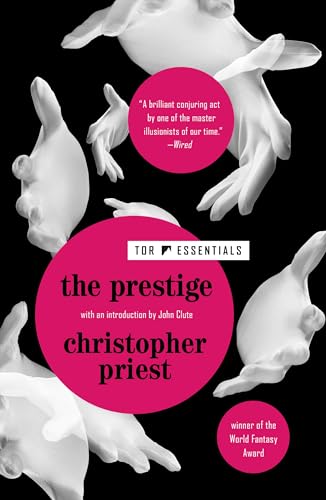
Fans of the obsessive, lifelong pursuit of a singular, world-changing goal in 'Lord of All Things' will appreciate this tale of rival magicians. It deals with the dark, consuming nature of ambition and the moral ambiguity that comes with pushing the boundaries of what is possible.
by Andy Weir
This novel features a protagonist who must use science and engineering to save humanity, echoing the grand scale and technical detail of Eschbach's work. It balances high-stakes scientific problem-solving with a surprisingly touching exploration of connection and sacrifice.

Not sure what they've already read?
Let them pick their next favorite with an Amazon Gift Card.
As an Amazon Associate, we earn from qualifying purchases.
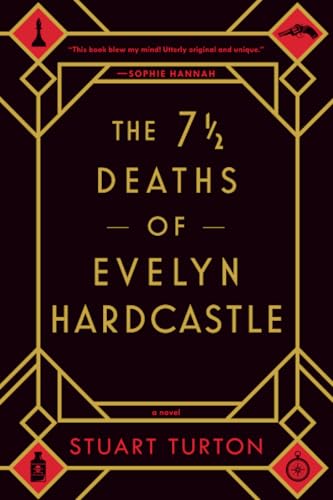
While more of a mystery, this book shares the complex, puzzle-box structure that fans of Eschbach's intricate plotting will enjoy. It demands the same level of intellectual engagement and rewards the reader with a deeply satisfying, multi-layered narrative.

Stephenson's epic scope and dedication to realistic scientific extrapolation make this a perfect follow-up for readers who enjoyed the technical ambition of 'Lord of All Things'. It spans generations and explores the long-term survival of the human race through technological mastery.

by H.G. Wells
As a foundational text of science fiction, this novel explores the philosophical implications of technology and time, themes that are central to Eschbach's work. It provides a classic look at how an inventor's creation can fundamentally alter the trajectory of humanity.

by Blake Crouch
This thriller captures the obsession with 'what could have been' through the lens of advanced physics and invention. Readers who appreciated the personal, character-driven stakes amidst grand scientific concepts in Eschbach's writing will find this equally gripping.

by Ayn Rand
Though different in genre, this novel deeply explores the theme of the uncompromising individual creator who defies societal norms to achieve a vision. It resonates with the core conflict in 'Lord of All Things' regarding the isolation and drive required to be a visionary.

by Mary Shelley
The ultimate cautionary tale of scientific ambition, this classic is the spiritual ancestor to Eschbach's exploration of the creator's responsibility. It delves into the isolation of the inventor and the unintended consequences of playing god, themes that are woven throughout 'Lord of All Things'.

Prefer to listen?
Try Audible and hear the story instead of reading it.
As an Amazon Associate, we earn from qualifying purchases.
As an Amazon Associate, we earn from qualifying purchases.