

Based on your book
Lords of Finance
by Ahamed, Liaquat
Liaquat Ahamed's "Lords of Finance" plunges into the tumultuous years leading up to and through the Great Depression, tracing the critical decisions made by the central bankers of America, Britain, France, and Germany. This isn't just an economic history; it's a deeply human story of four powerful men — Montagu Norman, Benjamin Strong, Émile Moreau, and Hjalmar Schacht — navigating an unprecedented global crisis with limited tools and profound personal convictions. You'll find yourself absorbed in their intellectual struggles, the political pressures they faced, and the immense consequences of their choices. It's a complex, thought-provoking read that feels like a meticulously researched historical thriller, perfect for anyone who loves understanding the intricate dance of power, policy, and personality that shapes world events.
10 Books similar to 'Lords of Finance'
If you appreciated the meticulous historical deep dive and the intricate power dynamics explored in Lords of Finance, you'll find plenty to love in our curated list. We looked for books that unpack major financial crises through the lens of key individuals and their high-stakes decisions, much like Ahamed did with the central bankers. Whether it's the political intrigue of the 2008 crash, the social commentary on economic policy, or simply a fascinating look at the rise and fall of financial systems, these recommendations continue that compelling journey into how money shapes our world.
As an Amazon Associate, we earn from qualifying purchases.
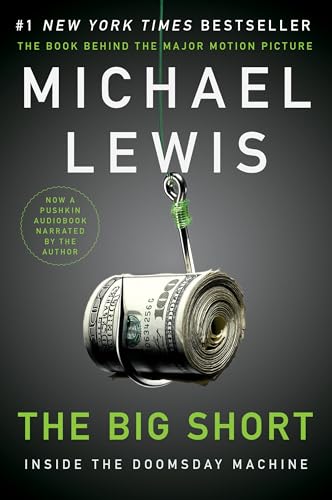
This book brilliantly dissects the 2008 financial crisis through the eyes of a few outsiders who saw it coming, much like Ahamed's book examines the key players navigating the Great Depression. Both excel at making complex financial topics accessible, dramatic, and character-driven.

Sorkin provides an hour-by-hour account of the 2008 financial crisis, focusing on the high-stakes decisions made by powerful figures in finance and government. This mirrors 'Lords of Finance' in its deep dive into the political and economic machinations during a global crisis, driven by an ensemble cast of real-life characters.

A seminal work directly addressing the events leading up to the Great Depression, Galbraith offers a detailed and analytical account of the stock market crash. It provides crucial historical context and an economic perspective that perfectly complements Ahamed's focus on the central bankers of that era.

This gripping account details the devastating impact of hyperinflation in post-WWI Germany, showcasing how economic policy (or lack thereof) can unravel an entire society. It offers a powerful, human-centered look at economic catastrophe, similar to how 'Lords of Finance' explores the human element behind the Great Depression.

Prefer to listen?
Try Audible and hear the story instead of reading it.
As an Amazon Associate, we earn from qualifying purchases.

Ferguson provides a sweeping historical narrative of financial institutions and their impact on global events, offering a broader context to the specific crisis detailed in 'Lords of Finance.' It shares Ahamed's intellectual rigor and ability to connect finance to wider historical forces.

by Bethany McLean and Peter Elkind
This book meticulously dissects the Enron scandal, revealing the corporate greed and financial deception that led to its collapse. Like 'Lords of Finance,' it focuses on key individuals and their decisions, offering a compelling 'behind-the-scenes' look at a major financial catastrophe.

A classic work that explores historical manias, fads, and financial bubbles, including the South Sea Bubble. It offers a fascinating, often cynical, look at human irrationality in economic matters, providing a timeless backdrop to the specific events in 'Lords of Finance.'

Chancellor presents a comprehensive history of speculative bubbles and crashes across centuries, detailing the recurring patterns of human behavior in financial markets. This book provides excellent historical context and analytical depth for readers interested in the underlying forces behind crises like the Great Depression.

While not solely focused on crises, this book masterfully introduces the lives and ideas of influential economists, providing a rich intellectual history of economic thought. Fans of Ahamed's historical and character-driven approach will appreciate the way Heilbroner brings economic theories to life through their creators.

by Mervyn King
Written by a former Governor of the Bank of England, this book offers an insider's perspective on central banking, monetary policy, and the causes of financial crises, including the 2008 crash. It provides a contemporary, yet historically informed, analysis that will appeal to readers who appreciated Ahamed's deep dive into the minds of central bankers.

Love to read on the go?
Explore Kindle e-readers and take your books with you.
As an Amazon Associate, we earn from qualifying purchases.
As an Amazon Associate, we earn from qualifying purchases.