

Based on your book
Lost connections
by Johann Hari
Lost Connections challenges the conventional wisdom about depression and anxiety. Johann Hari takes us on a global journey, investigating not just the individual's mind, but the broader societal factors that contribute to our mental distress. He argues that often, our feelings of despair stem from a fundamental disconnection – from meaningful work, nature, other people, and a secure future. Reading this feels like a deep, empathetic conversation with someone who's done their homework. Hari's writing is clear-eyed and investigative, but also deeply human, weaving together personal stories with scientific research and historical context. It's a hopeful read, not because it offers quick fixes, but because it reframes the problem, suggesting that by reconnecting with ourselves and our communities, we can find a path forward. If you're someone who thinks critically about mental health, curious about cultural influences, and ready to explore a more holistic understanding of well-being, this book will resonate deeply. It's for anyone seeking thoughtful introspection and a path toward collective solutions.
10 Books similar to 'Lost connections'
If Hari's exploration of societal disconnection and its impact on our well-being resonated with you, these books offer further avenues for thought. We've gathered titles that, like Lost Connections, peel back the layers of individual struggle to reveal broader cultural and social roots of distress. You'll find more deep dives into the importance of community and belonging, as well as analytical looks at how our modern world often works against our inherent human needs for connection and purpose. These selections continue the conversation, offering both further insight and practical ideas for fostering a more meaningful existence.
As an Amazon Associate, we earn from qualifying purchases.
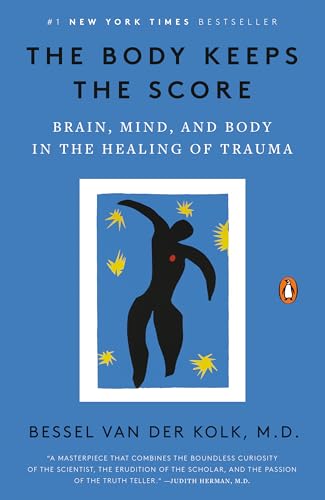
Like Johann Hari, Van der Kolk explores the root causes of mental distress beyond simple chemical imbalances. He focuses on how environment and past experiences manifest physically, offering a holistic view of recovery that resonates with Hari's search for connection.
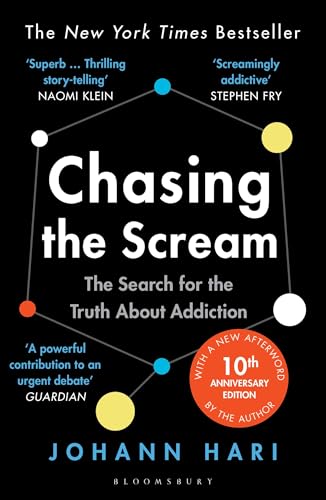
by Johann Hari
As Hari's previous work, this book shares the same investigative narrative style and compassionate tone. It examines how social isolation and lack of purpose contribute to addiction, mirroring the 'disconnection' themes found in Lost Connections.

by Susan Cain
This book shares Hari's focus on how modern societal structures are often at odds with our biological and psychological needs. It offers a similar blend of personal storytelling and scientific research to advocate for a more inclusive understanding of human nature.

by Dan Buettner
Buettner investigates communities where people are happiest and healthiest, echoing Hari's 'reconnections' by emphasizing the vital importance of social ties, purpose, and community integration.

Prefer to listen?
Try Audible and hear the story instead of reading it.
As an Amazon Associate, we earn from qualifying purchases.

by Cal Newport
Newport addresses the specific 'disconnection' caused by modern technology, a theme Hari touches upon. The book provides a practical framework for reclaiming one's attention and fostering deep, meaningful real-world connections.

Junger explores the psychological necessity of belonging to a small group, arguing that modern society has traded community for autonomy. This directly aligns with Hari's argument that our lack of 'tribe' is a primary driver of depression.

This memoir/non-fiction hybrid provides an intimate look at the therapeutic process, humanizing the struggle for mental health. It matches Hari's vulnerability and his focus on the universal need for human connection and understanding.

Haidt examines the intersection of ancient philosophy and modern science to determine what actually makes us happy. His focus on social relationships and communal values mirrors Hari's 'nine causes' of depression and anxiety.

This seminal work provides the sociological data for the decline in social capital that Hari discusses. It is essential reading for those who want a deeper dive into how the erosion of community structures impacts individual well-being.

by Matt Haig
Though fiction, this novel explores the same themes of regret, depression, and the search for a life worth living. It captures the 'vibe' of Hari's work by looking at how small changes in connection and perspective can radically alter one's mental state.

Love to read on the go?
Explore Kindle e-readers and take your books with you.
As an Amazon Associate, we earn from qualifying purchases.
As an Amazon Associate, we earn from qualifying purchases.