

Based on your book
M. Il figlio del secolo
by Antonio Scurati
Antonio Scurati’s M. Il figlio del secolo isn’t just a historical novel; it’s an immersive, almost visceral journey into the chaotic years leading up to Mussolini’s ascent to power. Scurati meticulously reconstructs Italy’s political landscape, societal anxieties, and the intricate web of personal ambitions that allowed fascism to take root. This isn't a distant historical account; it’s a direct, intense experience, pulling you into the minds of key figures – from Mussolini himself to his rivals and victims – as events unfold. You’ll feel the palpable tension, the moral compromises, and the chilling momentum of a nation sliding into totalitarianism. It’s a thought-provoking, often dark exploration of power dynamics and human nature, perfect for readers who appreciate deeply researched historical fiction that grapples with complex political forces and doesn't shy away from uncomfortable truths.
10 Books similar to 'M. Il figlio del secolo'
If you found yourself captivated by Antonio Scurati's unflinching examination of fascism’s genesis, you'll appreciate these recommendations. We've curated titles that echo M. Il figlio del secolo’s deep dive into the intricate mechanics of political power, exploring the rise and fall of totalitarian regimes and the profound societal shifts they engender. These books, whether fiction or non-fiction, share Scurati's commitment to understanding pivotal historical moments, often through the lens of moral ambiguity and the complex interplay of human ambition and historical forces. They offer further windows into the often dark and thought-provoking aspects of 20th-century history and beyond.
As an Amazon Associate, we earn from qualifying purchases.

This monumental non-fiction work offers an incredibly detailed and immersive account of the rise of Nazism and Hitler, mirroring Scurati's deep dive into the origins and mechanisms of totalitarian power in a specific European context. Readers will appreciate the meticulous historical research and the dramatic narrative style applied to a critical historical period.
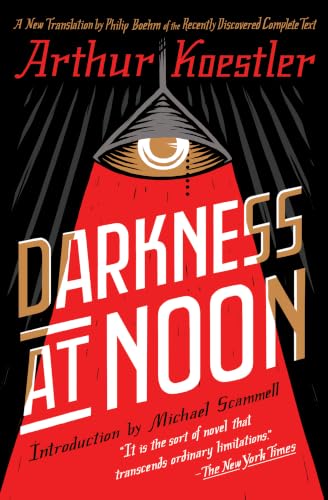
Koestler's classic novel delves into the psychological and moral dilemmas of a former Communist official during Stalin's purges, exploring themes of totalitarianism, ideology, and individual conscience. Its intense focus on political power dynamics and the internal struggles of its characters resonates strongly with the atmosphere and subject matter of Scurati's work.

Orwell's dystopian masterpiece is essential reading for anyone interested in the mechanics of totalitarian control, propaganda, and the suppression of truth, themes central to understanding the rise of fascism depicted by Scurati. Its chilling portrayal of a society under constant surveillance and manipulation offers a powerful, albeit fictionalized, parallel to the historical forces at play.

by Giuseppe Tomasi di Lampedusa
Set during the Italian Risorgimento, this iconic novel offers a profound look at a society in flux, the decline of an old order, and the challenges of political change from an Italian perspective. Its reflective tone, historical depth, and focus on societal transformation provide a rich context for understanding the broader historical forces that shaped Italy, much like Scurati explores the origins of fascism.

Prefer to listen?
Try Audible and hear the story instead of reading it.
As an Amazon Associate, we earn from qualifying purchases.

by Joseph Roth
This novel chronicles the decline of the Austro-Hungarian Empire through the lens of a single family, capturing the melancholic atmosphere of an era's end and the slow decay of institutions. Its historical scope, poignant narrative, and exploration of societal shifts will appeal to readers who appreciate Scurati's detailed portrayal of a changing Europe and the forces shaping its destiny.

De Beauvoir's novel explores the intellectual and political landscape of post-WWII France, grappling with the complexities of communism, existentialism, and the moral compromises faced by intellectuals. Its deep engagement with political ideology, philosophical debate, and historical context offers a similar intellectual rigor and a focus on the human element within grand historical movements.

This controversial and powerful novel is narrated by an SS officer during World War II, offering an unflinching and deeply disturbing psychological exploration of evil, ideology, and human depravity. Its intense, gritty realism and commitment to exploring the darkest aspects of a historical period will resonate with readers who appreciate Scurati's unvarnished look at the rise of fascism.

by Umberto Eco
While a historical mystery set in a medieval Italian monastery, Eco's novel shares Scurati's meticulous historical research, intellectual ambition, and deep dive into the power structures of an era. Its complex narrative, philosophical underpinnings, and exploration of truth and interpretation within a specific historical context will appeal to fans of Scurati's analytical approach.

This brilliant non-fiction work meticulously dissects the complex web of political decisions, personalities, and societal forces that led to World War I. Readers who appreciate Scurati's analytical approach to understanding a pivotal historical moment and the interplay of political actors will find Clark's detailed and engaging narrative equally compelling.

Written by an Italian war correspondent during WWII, this semi-fictionalized account offers a cynical, observational, and often surreal look at the horrors of war and the decay of Europe. Its gritty realism, Italian perspective, and unsparing portrayal of human nature under extreme conditions provide a powerful, if bleak, companion to Scurati's exploration of a tumultuous historical period.

Love to read on the go?
Explore Kindle e-readers and take your books with you.
As an Amazon Associate, we earn from qualifying purchases.
As an Amazon Associate, we earn from qualifying purchases.