

Based on your book
Madness in Civilization (Hardback) /anglais
by SCULL ANDREW
Andrew Scull takes a long, unflinching look at how human societies have defined and treated the mentally ill across centuries. This is not a clinical manual, but a sweeping cultural history that examines the shifting boundary between sanity and madness. You will find yourself moving from ancient rituals and public displays to the cold, systematic confinement of the asylum era. Scull writes with a sharp, analytical edge, refusing to sanitize the darker chapters of psychiatric history. The prose is dense, intellectual, and deeply layered, demanding your full attention as it dissects the power dynamics inherent in the medical gaze. This book is best suited for readers who enjoy rigorous historical research and enjoy challenging their own assumptions about how we label human behavior. It is a demanding, thought-provoking companion for those who prefer their history with a heavy dose of social critique.
10 Books similar to 'Madness in Civilization (Hardback) /anglais'
If the meticulous excavation of history in Scull's work resonates with you, our curated list offers several paths to deepen your understanding. We selected these titles because they bridge the gap between institutional history and the lived human experience. Whether you want to explore the philosophical foundations laid by Foucault, the localized horrors of Bedlam, or the modern political weaponization of diagnosis, these books share Scull's interest in how culture dictates our perception of suffering. They are perfect for readers who find the intersection of power, science, and the human psyche to be endlessly compelling.
As an Amazon Associate, we earn from qualifying purchases.

Like Scull's work, this book offers a comprehensive and scholarly examination of the evolution of psychiatric treatment and theory. It is an essential read for anyone interested in the institutional and medical history of mental health care.
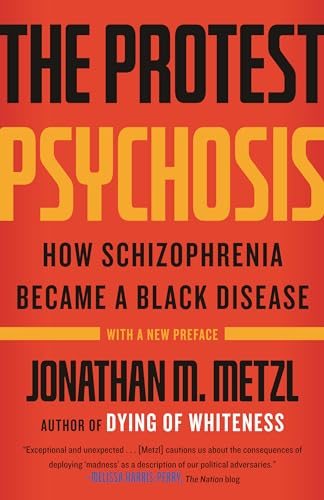
This book provides a fascinating look at how psychiatric diagnoses have been used to pathologize social and political dissent. It mirrors Scull's interest in how culture and power dynamics shape our understanding of 'madness.'

While more philosophical and spiritual than Scull's historical survey, this book explores the nature of human suffering and the role of the healer. It provides a contemplative counterpoint to the clinical history of mental health.

Focusing on the infamous Bethlem Royal Hospital, this narrative history captures the visceral and often brutal reality of early asylum life. It complements Scull's broader analysis with a deep, localized historical dive.

Prefer to listen?
Try Audible and hear the story instead of reading it.
As an Amazon Associate, we earn from qualifying purchases.

by Oliver Sacks
Sacks presents clinical case studies with profound empathy and literary flair, bridging the gap between medical science and the human condition. Readers of Scull will appreciate this humanistic approach to neurological and psychiatric phenomena.

by Andrew Scull
Written by the same author, this specific study offers a tighter focus on the history of 'hysteria' as a diagnostic category. It is perfect for readers who enjoyed Scull's meticulous research and critical perspective in his larger works.

This is a seminal text in the field, exploring how the concept of madness has been constructed throughout history. It is the intellectual bedrock upon which much of modern critical history of psychiatry, including Scull's work, is built.
by Jack Fooks
This book provides a rigorous look at the history of depression and how it has been perceived across different eras. It shares the analytical rigor and historical scope found in Scull's writing.

Lieberman provides a sweeping history of the psychiatric profession, balancing the progress of science with the mistakes of the past. It offers a similar 'big picture' narrative that fans of Scull's comprehensive style will enjoy.
This academic text delves into how society creates the definitions of mental illness, aligning perfectly with Scull's central thesis about the interplay between culture and psychiatry. It is a must-read for those seeking a deeper sociological perspective.

Love to read on the go?
Explore Kindle e-readers and take your books with you.
As an Amazon Associate, we earn from qualifying purchases.
As an Amazon Associate, we earn from qualifying purchases.