

Based on your book
Man'S Search For Meaning 1St (First) Edition Text Only
by Viktor E. Frankl
Viktor Frankl’s account is split into two distinct parts: a raw, unflinching look at his time in Nazi concentration camps and an introduction to his therapeutic method, logotherapy. Rather than focusing on the mechanics of the Holocaust, he examines the inner life of the prisoner, analyzing how those who survived often did so by tethering themselves to a specific purpose or a future goal. The prose is sparse and unsentimental, which makes the philosophical breakthroughs feel earned rather than preached. It is a heavy, quiet read that demands you put the book down periodically to process the weight of his observations. This book is for anyone currently navigating a period of profound disillusionment or those who want to understand how the human psyche manages to remain intact when everything external has been systematically stripped away.
10 Books similar to 'Man'S Search For Meaning 1St (First) Edition Text Only'
Since Frankl’s work bridges the gap between harrowing survival memoirs and foundational existential philosophy, these recommendations follow that same trajectory. If you found yourself moved by the way Frankl frames suffering as a crucible for personal growth, you will appreciate the Stoic discipline of Marcus Aurelius or the raw, immediate grief in When Breath Becomes Air. We selected these titles because they all grapple with the same core question: how do we maintain our humanity when faced with the absurd, the terminal, or the absolute worst of human nature?
As an Amazon Associate, we earn from qualifying purchases.

Like Frankl's work, this monumental account of the Soviet forced labor camp system provides a harrowing yet profound exploration of the human spirit's endurance under extreme oppression. It serves as a testament to maintaining moral integrity and internal freedom when faced with the absolute destruction of one's physical world.

This classic text by the Roman Emperor offers a foundational philosophy of Stoicism that directly parallels Frankl's logotherapy concepts regarding how we choose our attitude toward suffering. It is an essential read for anyone interested in the internal discipline required to find meaning amidst chaos.
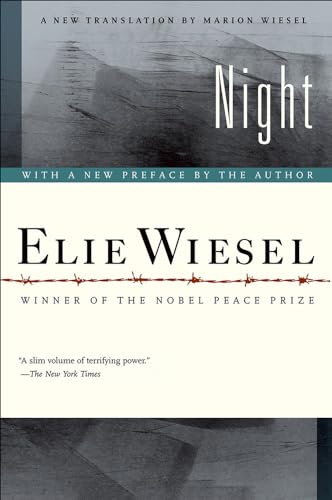
by Elie Wiesel
Wiesel's memoir shares the same historical context as Frankl's work, documenting the horrors of the Holocaust with a focus on the loss of faith and the struggle to survive. It is a deeply haunting and essential companion piece that examines the psychological toll of systematic dehumanization.

by Albert Camus
Camus tackles the existential question of whether life is worth living in an absurd universe, offering a philosophical counterpart to Frankl's search for meaning. Readers who appreciated the intellectual rigor of Frankl will find this exploration of rebellion and purpose deeply engaging.

Not sure what they've already read?
Let them pick their next favorite with an Amazon Gift Card.
As an Amazon Associate, we earn from qualifying purchases.

by Mitch Albom
While lighter in tone than Frankl's concentration camp memoir, this book captures the same profound wisdom about finding purpose and love in the face of inevitable mortality. It focuses on the importance of human connection as a primary source of meaning in life.

This memoir by a young neurosurgeon facing a terminal cancer diagnosis mirrors Frankl's inquiry into what makes life worth living when everything is stripped away. It is a beautifully written, meditative look at the intersection of medicine, philosophy, and the human experience.

This post-apocalyptic novel strips humanity down to its barest essentials, exploring the lengths a father will go to protect his son and preserve a sense of goodness in a bleak, dying world. It is a fictionalized examination of the same 'will to meaning' that Frankl championed.

Dostoevsky's psychological masterpiece delves into the darkest corners of human consciousness and the existential rebellion against rationalism. It shares the intense psychological depth found in Frankl's analysis of human behavior under duress.

by Edith Eger
Written by a psychologist who survived Auschwitz, this book offers a powerful, practical guide to healing and freedom that directly complements Frankl's teachings. Eger's narrative is a testament to the resilience of the human mind and the power of choice in overcoming trauma.

For readers who want to dive deeper into the existentialist philosophy that underpins much of Frankl's work, Sartre provides a rigorous framework for understanding human freedom and responsibility. It is a challenging but rewarding exploration of the nature of being.

Prefer to listen?
Try Audible and hear the story instead of reading it.
As an Amazon Associate, we earn from qualifying purchases.
As an Amazon Associate, we earn from qualifying purchases.