

Based on your book
Mandingo
by Kyle Onstott
Mandingo is a bleak, uncompromising look at the Falconhurst plantation in the mid-1800s. Onstott focuses on the grotesque reality of the slave trade, treating human beings as livestock in a way that feels intentionally repulsive. The reading experience is heavy and suffocating; there is no attempt to romanticize the era or provide a moral compass. Instead, the narrative leans into the cold, transactional nature of power, betrayal, and debauchery within a closed system. It is a grueling, visceral descent into the darkest corners of American history that prioritizes shock and grit over sentimentality. This is not an easy read by any stretch. It is best suited for readers who want an unflinching, morbidly curious examination of the systemic rot of the antebellum South and are prepared for a narrative that refuses to look away from the most disturbing aspects of human cruelty.
10 Books similar to 'Mandingo'
If you are interested in exploring the themes of systemic dehumanization and the fractured power dynamics of the antebellum South, these selections serve as a necessary expansion of that conversation. While Mandingo provides a raw and controversial starting point, these titles offer a more layered approach to the same historical reality. From the haunting psychological aftermath in Morrison's work to the factual horror found in Northup's memoir, these books move beyond the initial shock to analyze the profound trauma and complex moral decay that defined a generation.
As an Amazon Associate, we earn from qualifying purchases.

Like Mandingo, this novel offers a brutal, unflinching examination of the antebellum South and the psychological toll of the institution of slavery. It shares a similar intensity and willingness to confront the darkest aspects of American history through a deeply immersive, if controversial, narrative lens.
by Alex Haley
While broader in scope than Onstott's work, this monumental family saga provides a visceral and deeply emotional look at the generations of slavery in America. Readers who were drawn to the brutal reality and historical weight of Mandingo will find this essential, though it offers a more redemptive and resilient perspective.

This novel uses a time-travel premise to place a modern woman directly into the horrors of a Maryland plantation, creating a claustrophobic and terrifying look at the power dynamics of slavery. Fans of Mandingo's focus on the grotesque and dehumanizing nature of the plantation system will appreciate Butler's harrowing and intellectual approach.

This book explores the complex and morally murky world of black slaveholders in antebellum Virginia, mirroring the intricate power dynamics found in Mandingo. It is a deeply researched, atmospheric narrative that examines how the institution of slavery corrupted everyone it touched.

Prefer to listen?
Try Audible and hear the story instead of reading it.
As an Amazon Associate, we earn from qualifying purchases.
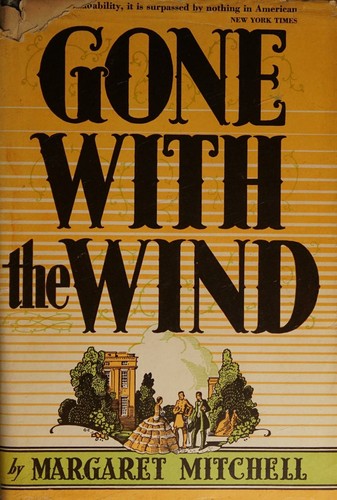
While vastly different in tone and romanticism, this classic shares the Southern plantation setting and the immense, sweeping drama that Mandingo readers often seek. It provides a starkly different, albeit equally iconic, perspective on the social hierarchy and the collapse of the Old South.
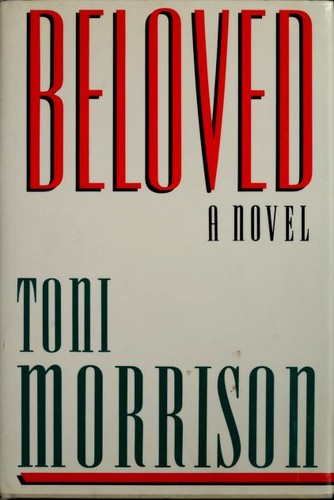
Morrison's masterpiece delves into the haunting, psychological trauma left in the wake of slavery, offering a much more lyrical and profound exploration than Onstott's work. Fans of the raw, disturbing depictions of plantation life in Mandingo will find this to be a more literary, devastatingly emotional counterpart.
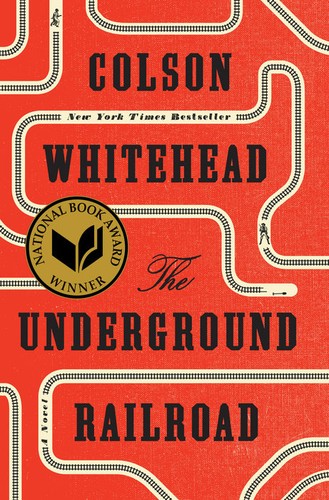
This novel blends historical reality with a surreal, literalized version of the Underground Railroad to depict the sheer brutality of the American South. It captures the same sense of dread, danger, and the desperate struggle for survival that permeates the narrative of Mandingo.

Set in the 17th century, this novel examines the origins of slavery in America, focusing on the tangled relationships and power imbalances between masters and the enslaved. It shares the claustrophobic atmosphere and the focus on the transactional nature of human relationships found in Mandingo.

While set in a much later time period, this novel explores the deep-seated racial tensions and the complex, often fraught relationships between black domestic workers and white families in the South. Readers interested in the social dynamics and power structures depicted in Mandingo will find this a more modern, character-driven examination of similar themes.
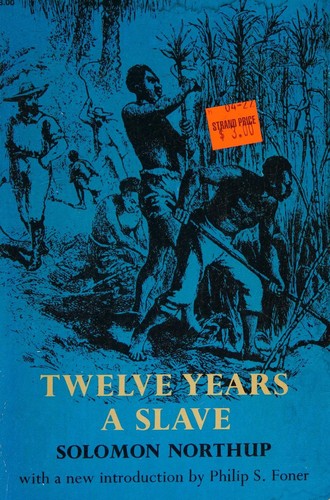
As a primary source narrative, this memoir provides the factual, harrowing reality that novels like Mandingo attempt to fictionalize. It is essential reading for anyone interested in the true, unvarnished look at the brutality of the slave trade and the resilience of the human spirit.

Love to read on the go?
Explore Kindle e-readers and take your books with you.
As an Amazon Associate, we earn from qualifying purchases.
As an Amazon Associate, we earn from qualifying purchases.