

Based on your book
Medea Sang Me a Corrido
by de la Cerda, Dahlia
Dahlia de la Cerda writes with a blade-sharp intensity that cuts straight through the noise. This collection is less of a traditional book and more of a visceral confrontation with the realities of being a woman in contemporary Mexico. Through a series of searing narratives, she explores the friction between personal survival and the rigid, often violent expectations placed upon her characters. The pacing is relentless, fueled by a lyrical, almost rhythmic prose that feels like a song you cannot stop listening to, even when the lyrics describe something devastating. It is a deeply reflective look at family ties, the weight of cultural inheritance, and the defiance required to exist on your own terms. If you prefer your literature unapologetic, politically charged, and emotionally raw, this book will leave a permanent mark on your bookshelf.
10 Books similar to 'Medea Sang Me a Corrido'
When you finish this book, you will likely find yourself craving more literature that balances sharp social critique with unflinching emotional honesty. We chose these titles because they share that specific, haunting DNA of Latin American feminist storytelling. Whether through the lens of horror, historical trauma, or the brutal realities of modern life, these authors excel at depicting systemic violence and the resilience of those living in its shadow. Each selection honors the same spirit of resistance and dark, lyrical observation that makes de la Cerda’s work feel so urgent and essential.
As an Amazon Associate, we earn from qualifying purchases.

Like de la Cerda's work, this novel offers a raw, unflinching look at violence and misogyny in Mexico, using a powerful, rhythmic narrative voice that captures the grim realities of life in a small town. It shares a similar intensity and commitment to exploring the darker sides of human nature and systemic injustice.

This collection of short stories blends the mundane with the horrific, much like de la Cerda's work, using dark, visceral prose to comment on social and political issues. Fans of the sharp, feminist edge in 'Medea Sang Me a Corrido' will appreciate Enríquez's ability to weave dread and societal critique into every narrative.

by Yuri Herrera
Herrera's sparse, lyrical style captures the feeling of displacement and the harsh realities of crossing borders, themes that resonate deeply with the characters in de la Cerda's stories. Both authors excel at distilling complex sociopolitical issues into intimate, character-driven narratives.

This semi-autobiographical novel about a group of trans women in Argentina shares the fierce, unapologetic, and resilient voice found in de la Cerda's writing. It explores similar themes of marginalization, sisterhood, and the fight for survival in a hostile world.

Not sure what they've already read?
Let them pick their next favorite with an Amazon Gift Card.
As an Amazon Associate, we earn from qualifying purchases.

by Mónica Ojeda
Ojeda's writing is as sharp and unsettling as de la Cerda's, focusing on the dark complexities of female relationships and obsession. Readers who enjoy the raw, sometimes violent, and deeply psychological nature of 'Medea Sang Me a Corrido' will find this novel equally gripping.
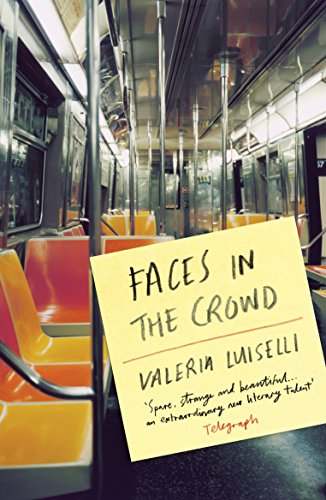
Luiselli’s work shares a fragmented, intellectual, and observational style that reflects on identity and the ghosts of the past, much like the characters in de la Cerda's stories who are haunted by their circumstances. It is a sophisticated exploration of how our environments shape our sense of self.
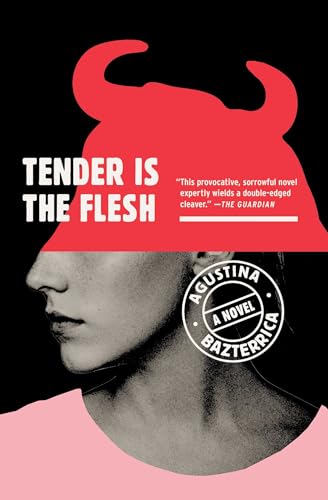
For readers drawn to the most provocative and satirical elements of de la Cerda's writing, this novel offers a chilling, dystopian look at societal decay. It uses extreme scenarios to hold a mirror up to contemporary human behavior, echoing the biting social critique found in 'Medea Sang Me a Corrido'.

This collection is essential reading for fans of Latin American feminist literature that refuses to shy away from the grotesque or the political. It mirrors de la Cerda's ability to ground supernatural or horrific elements in the harsh, recognizable reality of modern life.

While more historical and magical than de la Cerda's work, Segovia's novel provides a deep, immersive look at the Mexican experience through the lens of family and fate. Readers who appreciate the cultural specificity and the weight of history in de la Cerda’s writing will find this narrative equally moving.

This novel uses a unique, visual, and analytical style to explore themes of displacement and the search for belonging, resonating with the existential struggles of the characters in 'Medea Sang Me a Corrido'. It is a meditative, intellectual look at the pieces we leave behind.

Prefer to listen?
Try Audible and hear the story instead of reading it.
As an Amazon Associate, we earn from qualifying purchases.
As an Amazon Associate, we earn from qualifying purchases.