

Based on your book
Mein Kampf
by Adolf Hitler
Mein Kampf is Adolf Hitler's deeply unsettling autobiography and political manifesto, written during his imprisonment. It charts his early life, his perceived grievances, and the formation of his virulently antisemitic and nationalist ideology. Reading it is a stark, often disturbing encounter with the raw, unfiltered mind of a man who would reshape the 20th century. The prose is repetitive and self-serving, yet it lays bare the roots of Nazi Germany's worldview and its horrifying future plans. It's a challenging, often uncomfortable experience, but one that offers crucial, if chilling, insight into the genesis of totalitarian thought and the mechanics of political hatred. This book is for readers seeking to understand the historical origins of Nazism firsthand, or those interested in the psychology and rhetoric of authoritarian leaders, no matter how difficult the subject matter.
10 Books similar to 'Mein Kampf'
For those who have navigated the challenging pages of Mein Kampf and are seeking deeper understanding, our recommendations explore the unsettling landscape of political power and authoritarian thought. We've chosen books that dissect the mechanics of leadership, the allure of revolutionary ideologies, and the psychological underpinnings that allow extremist views to take root. Whether you're interested in the raw, often unreliable voice of a leader, the historical context of a movement, or the philosophical arguments for centralized authority, these titles offer crucial insight into the themes of power dynamics, social commentary, and the genesis of totalitarianism.
We earn from qualifying purchases through our affiliate partners, including Amazon and Bookshop.org.

As a primary source for the ideology that parallelled Hitler's own, this book provides a direct look at the philosophical foundations of Italian Fascism. It shares the same polemical tone and focus on the supremacy of the state over the individual.

This classic treatise on political power and statecraft explores the pragmatic, often ruthless methods required to maintain authority. Readers interested in the mechanics of leadership and political manipulation will find strong parallels here.
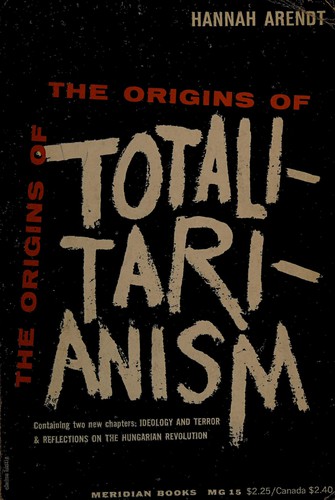
Arendt provides a profound intellectual analysis of the movements that led to the rise of Hitler and Stalin. It offers a necessary scholarly counterpoint that dissects the same historical forces and psychological appeals found in Hitler's writing.

by Karl Marx and Friedrich Engels
While ideologically opposite, this manifesto shares the same revolutionary fervor and desire to completely restructure society based on a specific worldview. It is essential for understanding the 20th-century clash of ideologies that Hitler was reacting against.

Not sure what they've already read?
Let them pick their next favorite with an Amazon Gift Card.
As an Amazon Associate, we earn from qualifying purchases.

This definitive historical account provides the context for the events described in Hitler's autobiography. It tracks the real-world implementation of the ideas laid out in Mein Kampf, from their inception to their ultimate destruction.

by Edmund Burke
Burke's critique of radical social change offers a foundational look at political reactionism. Like Hitler's work, it is a deeply passionate response to perceived societal decay and the loss of traditional order.

Paxton examines fascism not just as an idea, but as a political practice. This book helps readers understand how the rhetoric found in Mein Kampf was translated into a functional, albeit destructive, political movement.

Hobbes' exploration of the 'social contract' and the necessity of a strong, absolute sovereign mirrors the arguments for centralized authority. It provides a philosophical basis for the state-centric worldview found in Hitler's ideology.

This work analyzes the psychological conditions that allow authoritarian ideologies to take root in a population. It offers a fascinating look at the 'vibe' of the era and why Hitler's message resonated with so many.

Though fiction, this novella captures the intense, resentful, and outsider narrative voice that characterizes the early chapters of Hitler's autobiography. It explores the psychology of a man who feels alienated from and superior to the society around him.

For couples who love each other but hate planning
From chaos to calm — instant AI wedding planning, no accounts, no stress.
From the makers of Similar Book Finder
We earn from qualifying purchases through our affiliate partners, including Amazon and Bookshop.org.