

Based on your book
Messy Cities
by Ebrahim, Zahra
Messy Cities asks us to stop viewing urban environments as static grids or engineering problems and instead see them as chaotic, breathing organisms. Zahra Ebrahim peels back the layers of our daily commutes and neighborhood interactions to reveal how power dynamics, historical exclusion, and systemic bias are baked into the very concrete we walk on. The reading experience is cerebral and observant; it feels less like a dry textbook and more like a long, thoughtful walk with a mentor who points out the hidden architecture of inequality. It is paced for reflection, encouraging you to pause and re-examine your own surroundings. This book is for the reader who finds themselves people-watching on the subway or questioning why certain parks feel welcoming while others feel sterile. It is a vital toolkit for anyone ready to look at their city and finally see the people behind the planning.
10 Books similar to 'Messy Cities'
If Messy Cities left you eager to decode the hidden mechanisms of your own neighborhood, these selections offer a deeper dive into the intersection of design, history, and human behavior. We curated this list to bridge the gap between abstract urban theory and the lived reality of the people who inhabit these spaces. Whether you are interested in the historical policies that created modern segregation or the psychological impact of public infrastructure, these titles expand on Ebrahim's analysis, proving that the way we build our cities is a direct reflection of who we value.
As an Amazon Associate, we earn from qualifying purchases.

by Jane Jacobs
As a foundational text in urban planning that champions human-centric design, this book shares the same DNA as 'Messy Cities' by arguing that cities should be built for people, not just infrastructure. It is essential reading for anyone interested in why urban environments succeed or fail based on social interaction.

by Jeff Speck
Speck provides a practical, accessible, and deeply researched look at how urban design impacts our daily lives, echoing Ebrahim's focus on the lived experience of city dwellers. It bridges the gap between complex urban theory and actionable change.

This book explores the intersection of urban design and human psychology, much like 'Messy Cities' examines the social fabric of urban spaces. It offers a fascinating look at how the places we live shape our happiness and social connections.

While more focused on housing instability, this book shares the 'Messy Cities' commitment to highlighting the systemic issues that create inequality in urban centers. It is a powerful, deeply researched look at the human cost of current urban policies.

Love to read on the go?
Explore Kindle e-readers and take your books with you.
As an Amazon Associate, we earn from qualifying purchases.
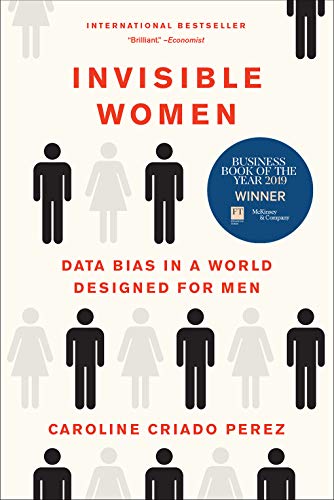
This book exposes how the world—including urban infrastructure—is often designed without considering half the population, mirroring Ebrahim's critique of exclusionary city planning. It is a vital read for understanding how design choices can marginalize specific groups.

To understand the 'messiness' of modern cities, one must understand their history; this book provides a critical deep dive into the policies that shaped urban segregation. It complements Ebrahim's work by providing the historical context for today's urban challenges.

Klinenberg argues that the physical places where people gather—libraries, parks, community centers—are essential to democracy, aligning perfectly with Ebrahim's focus on civic engagement. It is a hopeful exploration of how we can rebuild community through design.

Written by the former NYC Transportation Commissioner, this book is a practical, fast-paced account of how to actually change a city's landscape against bureaucratic resistance. Readers who enjoyed the 'how-to' aspect of Ebrahim's work will appreciate this hands-on perspective.

by Jan Gehl
Gehl is a legendary figure in urban design who emphasizes the 'life between buildings,' a concept that resonates deeply with the themes in 'Messy Cities.' This book is a visual and intellectual guide to making cities more human-scaled.

While focused on the creative economy, this book examines how structural systems—much like urban environments—are failing to support the people who make them vibrant. It shares the same critical, system-questioning tone found in Ebrahim's writing.

Not sure what they've already read?
Let them pick their next favorite with an Amazon Gift Card.
As an Amazon Associate, we earn from qualifying purchases.
As an Amazon Associate, we earn from qualifying purchases.