

Based on your book
Midnight in Chernobyl
by Higginbotham, Adam
Adam Higginbotham reconstructs the 1986 Chernobyl disaster by peeling back decades of Soviet obfuscation to reveal the systemic rot that led to the explosion. This is not just a technical post-mortem; it is a claustrophobic, high-stakes thriller that tracks the hubris of engineers and the desperate, often fatal, heroism of those tasked with containing the invisible fire. The pacing is relentless, shifting between the cold corridors of Kremlin power and the irradiated reality on the ground. You will feel the weight of the bureaucratic machinery as it grinds individual lives into dust. It is a grueling, essential read for anyone obsessed with the intersection of human fallibility and catastrophic technology. If you want a book that demands your full attention and leaves you shaken by how easily the world can unravel, this is it.
10 Books similar to 'Midnight in Chernobyl'
Since you appreciate how Higginbotham dissects the anatomy of a disaster, these selections focus on the same intersection of institutional incompetence and human survival. We chose books like Command and Control and Five Days at Memorial because they mirror the grit and moral ambiguity found in Chernobyl, where systemic failures force individuals into impossible corners. If you are drawn to the political intrigue and the dark history of the Soviet era, works by Plokhy and Applebaum provide the necessary context for the decay that made such a catastrophe not just possible, but inevitable.
As an Amazon Associate, we earn from qualifying purchases.

Like Higginbotham's work, this Pulitzer Prize-winning book offers a gripping, meticulously researched look at the Soviet Union's internal failures and the terrifying scale of its technological secrets. It captures the same sense of impending catastrophe and institutional incompetence that defined the Chernobyl disaster.

Schlosser masterfully dissects a near-catastrophic nuclear accident, mirroring Higginbotham's ability to blend high-stakes drama with technical precision and systemic critique. It reveals how human error and bureaucratic hubris consistently undermine the safety of the most dangerous technology on earth.

While Higginbotham focuses on the macro-political and technical narrative, Alexievich provides the essential, haunting human counterpoint through raw, first-hand accounts. Reading them together provides the most complete, devastating picture of the Chernobyl tragedy available.

This book explores the psychology of disaster, explaining exactly why people react the way they do when faced with the impossible—a central theme in the Chernobyl narrative. It offers a fascinating, analytical look at human behavior under extreme pressure that complements Higginbotham's focus on the disaster itself.

Prefer to listen?
Try Audible and hear the story instead of reading it.
As an Amazon Associate, we earn from qualifying purchases.
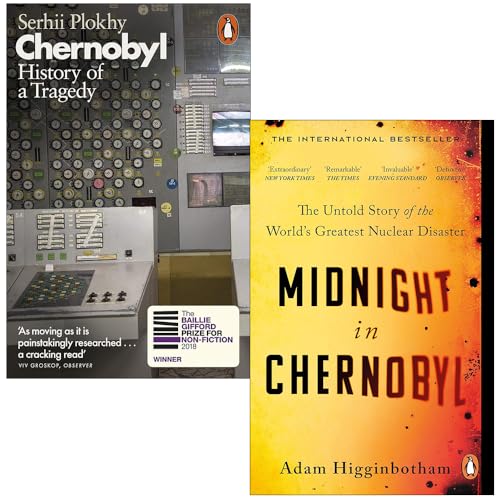
Plokhy provides a definitive historical account that rivals Higginbotham's in depth, focusing heavily on the political machinations and the crumbling Soviet infrastructure. It is an essential read for those who want to understand the systemic rot that made the explosion inevitable.

by Sheri Fink
Fink’s investigation into the aftermath of Hurricane Katrina shares the same 'disaster-as-lens' approach as *Midnight in Chernobyl*, exposing how institutions break down under pressure. It is a harrowing, deeply researched examination of moral ambiguity and the impossible choices made by those trapped in a crisis.

For readers who appreciated the Soviet political context and the tragic history of the Ukrainian region in Higginbotham's book, Applebaum offers a masterful, chilling history. It provides the necessary background on the Soviet state's relationship with Ukraine, which is vital for fully grasping the context of the Chernobyl disaster.

Barry writes with the same narrative flair as Higginbotham, turning a scientific and historical event into a propulsive, character-driven story. It highlights the intersection of public health, government denial, and the terrifying reality of an uncontrollable catastrophe.

Snyder’s work, like Higginbotham’s, examines how the collapse of state structures can lead to unimaginable horror, focusing on the dark history of the lands between Berlin and Moscow. It is a profound, analytical look at how political systems fail and the catastrophic consequences for the people within them.

by Jon Krakauer
While the setting is a mountain rather than a nuclear plant, the narrative structure—a meticulous, boots-on-the-ground reconstruction of a preventable disaster—is remarkably similar. Krakauer captures the same 'what went wrong' investigative spirit that makes *Midnight in Chernobyl* so compelling.

Love to read on the go?
Explore Kindle e-readers and take your books with you.
As an Amazon Associate, we earn from qualifying purchases.
As an Amazon Associate, we earn from qualifying purchases.