

Based on your book
Midnight's Children
by Rushdie, Salman
Saleem Sinai is born at the exact moment of India's independence, a coincidence that binds his personal fate to the turbulent history of his country. As he grows, he discovers he is telepathically linked to one thousand other children born in that same midnight hour, each possessing a unique gift. The narrative is a sprawling, dizzying memoir told by an unreliable narrator who struggles to reconcile his own memories with the chaotic evolution of a nation. Reading this feels like sitting with a brilliant, exhausting storyteller who refuses to stay on topic, pulling you through decades of political upheaval, family secrets, and surreal folklore. It is demanding, dense, and deeply funny. This book is for the reader who wants to lose themselves in a labyrinth of language and history, and who enjoys stories that refuse to be neatly contained by traditional boundaries.
10 Books similar to 'Midnight's Children'
When you finish the epic journey of Saleem Sinai, you likely want more stories that refuse to separate the personal from the political. We curated these titles because they echo that specific intensity of magical realism and the weight of generational history. Whether it is the surreal dreamscapes of Murakami, the grounded social critique of Mistry, or the sweeping, multi-generational legacies found in Gyasi and Garcia Marquez, these books share an obsession with how individual lives are forged by the massive, relentless machinery of national identity and historical change.
As an Amazon Associate, we earn from qualifying purchases.

As the quintessential work of magical realism, this novel mirrors Rushdie's epic scale and intergenerational storytelling. It captures the rise and fall of a family intertwined with the tumultuous history of a nation, much like the Saleem Sinai saga.
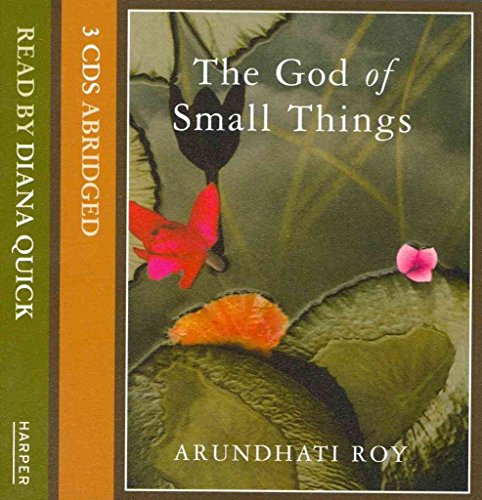
Roy's lyrical prose explores the intricate social fabric of India with a focus on how political and historical forces dismantle individual lives. Fans of Rushdie's lush language and sharp social critique will find this deeply resonant.

by Günter Grass
This classic uses an unreliable, eccentric narrator to reflect the absurdities and horrors of 20th-century history, serving as a direct stylistic inspiration for Rushdie's approach in Midnight's Children.

If you enjoyed the specific voice and narrative ambition of Midnight's Children, this later work by the same author offers a similarly sprawling, multi-generational saga set against the backdrop of changing Indian identity.

Prefer to listen?
Try Audible and hear the story instead of reading it.
As an Amazon Associate, we earn from qualifying purchases.


by Amitav Ghosh
Ghosh explores the arbitrary nature of borders and national identity through a deeply personal, memory-driven narrative. Its introspective tone and focus on how global events shape private lives will appeal to Rushdie fans.

Set during 'The Emergency' in India—the same period featured in Midnight's Children—this novel offers a more grounded, gritty look at the human cost of political upheaval. Its emotional weight and character-driven narrative are unforgettable.

by Charles King
While non-fiction, this book captures the same cosmopolitan, chaotic spirit of a city at the crossroads of history. It provides the kind of rich, panoramic historical context that underpins the world of Saleem Sinai.

For readers who love the surreal and metaphysical elements of Rushdie's work, Murakami provides a dreamlike narrative where the boundaries between reality and magic dissolve seamlessly.

This sprawling, adventurous novel offers a vivid, immersive portrait of Bombay that rivals the sensory detail found in Rushdie's descriptions. It is an epic journey of self-reinvention set against a complex urban landscape.

Love to read on the go?
Explore Kindle e-readers and take your books with you.
As an Amazon Associate, we earn from qualifying purchases.
As an Amazon Associate, we earn from qualifying purchases.