

Based on your book
Minor Detail
by Shibli, Adania
Minor Detail is a lean, haunting excavation of history that splits its focus between two timelines. The first half follows an Israeli military unit in the Negev Desert in 1949, where a brutal crime is committed. Decades later, a woman living in Ramallah becomes obsessed with uncovering the truth behind that forgotten event. Shibli writes with a cold, precise detachment that makes the violence feel all the more suffocating. This is not a book that offers catharsis or easy answers; instead, it forces you to sit with the crushing weight of erasure and the way systemic violence leaches into the present. It is a demanding read, stripped of sentimentality and packed with a quiet, persistent dread. If you appreciate literature that treats the act of remembering as both a moral burden and a political necessity, this will stay with you long after the final page.
10 Books similar to 'Minor Detail'
These titles were selected because they share the same unsettling preoccupation with how history is written, suppressed, and eventually reclaimed. If the clinical, haunting atmosphere of Shibli's work resonated with you, look to the list above for similar explorations of state-sanctioned erasure and the psychological toll of occupation. We chose these books specifically for their ability to balance personal, intimate narratives against the backdrop of systemic, often crushing, political realities. Whether through dystopian allegory or harrowing oral history, each recommendation echoes the theme that the most significant truths are often hidden in the smallest, most ignored details.
As an Amazon Associate, we earn from qualifying purchases.

Like Shibli's work, this is a harrowing, unflinching look at the human cost of conflict, blending journalistic observation with deeply personal, traumatic narratives. It captures the same sense of historical erasure and the persistent, haunting nature of violence.

This novel echoes Shibli's preoccupation with Palestinian identity and the generational trauma of displacement. It uses a lyrical, multi-generational structure to examine how personal history is inextricably linked to political reality.

Fans of Shibli's detached yet devastating prose will appreciate this exploration of a woman imprisoned for her resistance. It shares the same focus on the intersection of individual agency and the crushing weight of systemic occupation.
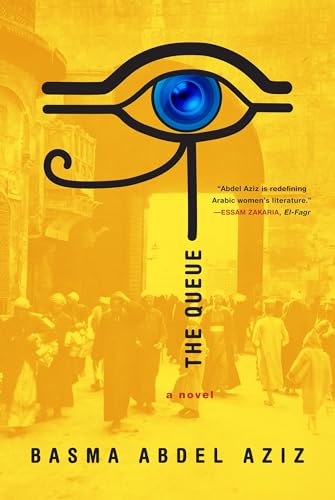
This dystopian novel mirrors the bureaucratic absurdity and the oppressive atmosphere found in Shibli's writing. It explores how the state controls history and individual memory, creating a chilling, Kafkaesque experience.

Prefer to listen?
Try Audible and hear the story instead of reading it.
As an Amazon Associate, we earn from qualifying purchases.

by Hisham Matar
This novel captures the paranoia and suffocating atmosphere of living under a regime, much like the tension in 'Minor Detail.' It focuses on the psychological toll of silence and the difficulty of uncovering truth in a repressive environment.

Alexievich's oral history technique shares Shibli's commitment to preserving the 'minor details' of human experience that official history often ignores. It is a profound, haunting meditation on trauma and the impossibility of fully capturing the past.

by Orhan Pamuk
Like Shibli, Pamuk uses a mystery structure to explore deep philosophical questions about art, history, and identity. Both books demand an intellectual engagement with the past and how it shapes the present.

by Ibtisam Azem
This novel offers a surreal, poignant look at the Palestinian experience by imagining the sudden disappearance of all Palestinians from Israel. It shares Shibli's interest in the erasure of a people and the haunting presence of those who are gone.

by Anna Seghers
This classic novel of exile and displacement resonates with the themes of statelessness and the search for identity found in Shibli's work. Its atmosphere of waiting and uncertainty mirrors the tense, suspended reality of the characters in 'Minor Detail.'

by Amos Oz
While written from a different perspective, this memoir/novel hybrid provides a deeply introspective look at the formation of history and the weight of the past. It shares the same meticulous, observant style that makes 'Minor Detail' so compelling.

Love to read on the go?
Explore Kindle e-readers and take your books with you.
As an Amazon Associate, we earn from qualifying purchases.
As an Amazon Associate, we earn from qualifying purchases.