

Based on your book
Moneyball: The Art of Winning an Unfair Game
by Michael Lewis
Michael Lewis turns the world of Major League Baseball upside down by focusing on the Oakland Athletics, a team operating on a shoestring budget while competing against behemoths like the New York Yankees. Instead of following the traditional scouts who rely on gut instinct and physical appearance, Billy Beane and his cohorts look for value in the overlooked. The book reads like a high-stakes thriller, yet it is rooted entirely in cold, hard numbers. You get a front-row seat to the intellectual friction between old-school baseball traditions and the disruptive power of statistical analysis. It is sharp, punchy, and moves with incredible velocity. If you enjoy pulling back the curtain on broken systems or find satisfaction in watching an underdog outsmart an establishment by simply playing the game differently, this is the book for you.
10 Books similar to 'Moneyball: The Art of Winning an Unfair Game'
Since you enjoyed the thrill of challenging conventional wisdom in Moneyball, these selections focus on the same intersection of human behavior, data, and institutional disruption. We have curated a list that explores how outsiders use unconventional logic to expose systemic inefficiencies, whether in global finance, tech startups, or the inner workings of the human mind. If you want to dive deeper into the psychological biases that lead to bad decision-making or track the evolution of data-driven strategy in other industries, these books serve as the perfect intellectual follow-up to your experience with the A's.
As an Amazon Associate, we earn from qualifying purchases.
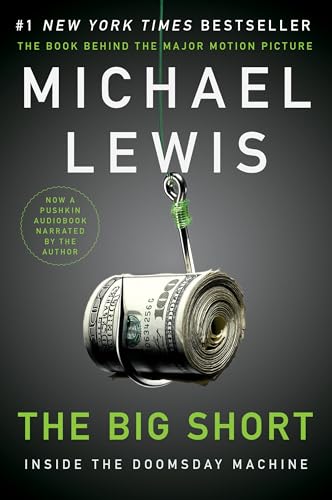
Written by the same author, this book applies the same investigative, narrative-driven style to the 2008 financial crisis as Moneyball did to baseball. It focuses on the eccentric outsiders who saw a market inefficiency that everyone else missed, making it a perfect companion piece.
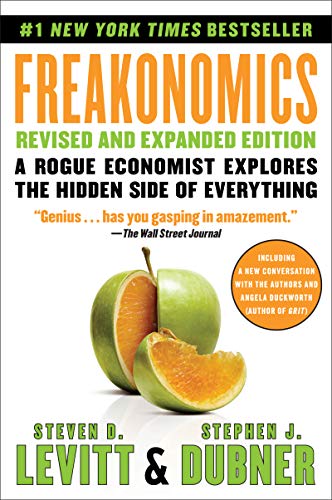
by Steven D. Levitt and Stephen J. Dubner
Much like Moneyball changed how we view baseball stats, this book changes how we view the world by applying economic analysis to seemingly unrelated phenomena. It shares that same 'aha!' moment satisfaction when data reveals a hidden truth.
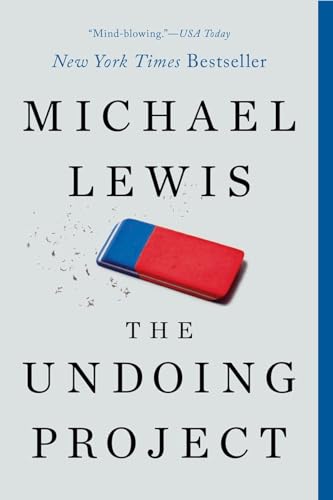
This book explores the intellectual partnership between Daniel Kahneman and Amos Tversky, whose work on decision-making underpins the very logic used in Moneyball. It provides the psychological 'why' behind the 'what' of data-driven decision making.

by Phil Knight
This memoir captures the scrappy, underdog spirit of building an empire against entrenched competition. It shares the narrative drive and business insight found in Moneyball, focusing on the relentless pursuit of an unconventional vision.

Prefer to listen?
Try Audible and hear the story instead of reading it.
As an Amazon Associate, we earn from qualifying purchases.

While Moneyball is about using data to win, Bad Blood is about the dangerous consequences of ignoring reality and data. It is a gripping, investigative look at the business world that fans of Lewis's narrative style will find impossible to put down.

by Ben Reiter
This is the spiritual successor to Moneyball, detailing how the Houston Astros utilized advanced analytics and organizational culture to build a championship team. It directly continues the conversation Lewis started about the evolution of sports management.

by Nate Silver
Nate Silver, a pioneer in statistical analysis, explores the difference between true signals and random noise in data. Readers who enjoyed the 'math vs. tradition' conflict in Moneyball will appreciate this deeper dive into the science of prediction.
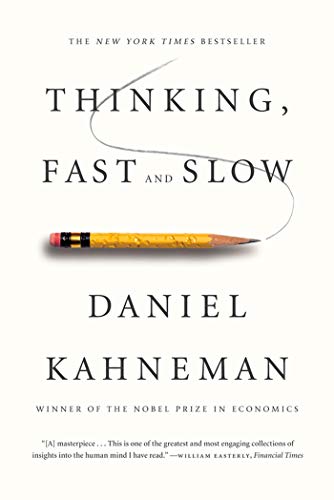
This is the foundational text for the behavioral economics that make Moneyball possible. It explains the cognitive biases that lead people (like traditional baseball scouts) to make irrational decisions, offering a fascinating look at the human mind.
by Alan Schwarz
This book provides a comprehensive history of the statistical revolution in baseball, offering a broader context for the events described in Moneyball. It is perfect for readers who want to understand the full scope of how the game changed.

by Brian Christian and Tom Griffiths
This book bridges the gap between computer science and everyday life, much like Moneyball bridged the gap between statistics and sports. It offers a practical, analytical way to approach decision-making that mirrors the philosophy of Billy Beane.

Love to read on the go?
Explore Kindle e-readers and take your books with you.
As an Amazon Associate, we earn from qualifying purchases.
As an Amazon Associate, we earn from qualifying purchases.