

Based on your book
Moonwalking with Einstein
by Foer, Joshua
Joshua Foer enters the competitive world of memory athletes not as a master, but as a skeptical journalist intending to document their strange subculture. What begins as an assignment quickly shifts into a personal experiment: can an average person train their brain to perform feats of recall that seem superhuman? As Foer masters ancient mnemonic techniques, he pulls back the curtain on the mechanics of memory, moving from the history of oral traditions to the neuroscience of how we store information. This is a cerebral, self-reflective journey that questions the utility of memory in an era of constant external storage. It feels like sitting down with a friend who just returned from a long, fascinating trip where they learned to rewire their own mind. This is an ideal read for anyone who enjoys questioning the limits of their own cognitive potential.
10 Books similar to 'Moonwalking with Einstein'
If you are hungry for more explorations into the hidden machinery of the human mind, this curated list expands on the themes of cognitive plasticity and obsessive curiosity found in Foer's work. We chose these titles because they bridge the gap between rigorous scientific research and the personal, underdog stories of those who push past conventional limits. Whether you want to master the art of deliberate practice or simply enjoy a deep dive into the quirks of human psychology, these selections offer the same intellectual satisfaction and analytical rigor that make the science of self-improvement so addictive.
As an Amazon Associate, we earn from qualifying purchases.

Like Foer's work, this book explores the incredible plasticity of the human brain, offering fascinating case studies on how we can rewire our own minds. It shares a similar blend of rigorous scientific research and deeply human storytelling that makes complex neuroscience accessible and inspiring.

by Mary Roach
Mary Roach shares Joshua Foer's talent for investigative journalism that dives deep into a niche, often overlooked subject with wit and curiosity. Fans of Foer's immersive, 'fish out of water' approach to learning will find Roach's humorous and analytical exploration of death equally captivating.
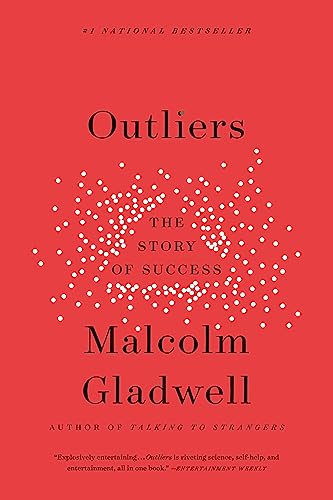
Gladwell's examination of what makes high achievers successful mirrors Foer's exploration of memory champions and the mechanics of expertise. Both authors excel at taking complex sociological and psychological concepts and weaving them into compelling, narrative-driven arguments.

For readers who enjoyed the cognitive science aspects of *Moonwalking with Einstein*, this seminal work provides the foundational understanding of how our brains process information. It is a more academic but equally rewarding deep dive into the dual systems that drive our thoughts and judgments.

Love to read on the go?
Explore Kindle e-readers and take your books with you.
As an Amazon Associate, we earn from qualifying purchases.

by Oliver Sacks
Oliver Sacks is the gold standard for narrative non-fiction about the brain, blending clinical observation with profound empathy. Readers who appreciated Foer's fascination with memory and the limits of the human mind will find these case studies both deeply moving and intellectually stimulating.

Ericsson, who is actually featured in Foer's book, expands on the concept of 'deliberate practice' that makes the memory feats in *Moonwalking with Einstein* possible. It is the perfect follow-up for readers who want to apply the book's lessons to their own lives.

by Susan Cain
Cain uses a similar blend of personal narrative and extensive research to challenge conventional wisdom about human nature. Like Foer, she takes a specific trait or ability and unpacks it to reveal how it shapes our lives and potential in ways we rarely consider.

This book acts as a practical manual for the cognitive techniques that Foer explores, helping readers understand how to learn more effectively. It shares the same optimistic, 'anyone can do this' spirit that makes *Moonwalking with Einstein* such a motivating read.

While the subject matter differs, the narrative structure—a journalist uncovering a hidden, complex world—is very similar to Foer's investigative style. It is a gripping, deeply researched story that balances scientific discovery with the human cost of progress.

Feynman's memoir captures the same spirit of obsessive curiosity and intellectual playfulness that drives Joshua Foer. Readers who loved the 'quirky genius' vibe of the memory competitors will find Feynman's anecdotes about his life and scientific pursuits equally delightful and thought-provoking.

Not sure what they've already read?
Let them pick their next favorite with an Amazon Gift Card.
As an Amazon Associate, we earn from qualifying purchases.
As an Amazon Associate, we earn from qualifying purchases.