

Based on your book
Moralia
by Name Plutarch
Moralia is less a single book and more an expansive conversation with one of antiquity’s most curious minds. Plutarch wanders through topics as diverse as the nature of anger, the virtues of animals, and the intricacies of marriage, treating each with the same intellectual rigor. Reading these essays feels like sitting across from a thoughtful mentor who has spent decades observing the quirks of human nature. The pacing is deliberate, inviting you to pause and examine your own biases rather than rushing toward a conclusion. It is a deeply analytical work that favors wisdom over dogma, making it an excellent companion for anyone who enjoys dissecting the mechanics of a well-lived life. If you are looking for a text that challenges your perspective on ethics and behavior without feeling like a dry lecture, this collection is a rare, enduring treasure.
10 Books similar to 'Moralia'
Since these essays thrive on the intersection of personal ethics and social observation, our selected titles focus on authors who share that same inquisitive spirit. You will find that works like those by Montaigne or Seneca echo Plutarch’s commitment to self-improvement and the constant analysis of human frailty. Whether it is the Stoic discipline found in Epictetus or the psychological depth of Pascal, these recommendations bridge the gap between ancient philosophy and the practical dilemmas we face today. They are chosen for readers who value intellectual companionship as much as they value moral clarity.
As an Amazon Associate, we earn from qualifying purchases.

Like Plutarch's Moralia, this collection offers profound ethical guidance and personal reflection from a Stoic perspective. It shares the same intellectual rigor and focus on living a virtuous, examined life in a complex world.

Montaigne was heavily influenced by Plutarch, and his essays mirror the conversational, wide-ranging, and deeply humanistic inquiry found in the Moralia. Both works serve as foundational texts for the essay form, blending personal anecdote with philosophical insight.
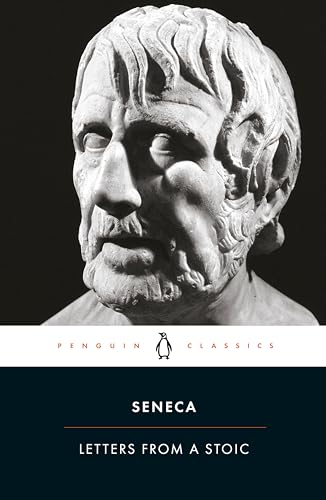
by Seneca
These letters provide practical, moral advice on how to navigate life's challenges, much like the ethical treatises in Plutarch's collection. The tone is consistently wise, encouraging, and deeply grounded in ancient philosophical tradition.

by Boethius
Written while the author was imprisoned, this work explores the nature of fortune, happiness, and God, echoing the serious moral inquiries found in the Moralia. It bridges the gap between classical antiquity and later philosophical thought.

Love to read on the go?
Explore Kindle e-readers and take your books with you.
As an Amazon Associate, we earn from qualifying purchases.

by Aristotle
This text is the bedrock of Western ethical philosophy and shares the analytical, systematic approach to human behavior that Plutarch often employs in his essays. It is essential reading for anyone interested in the foundational questions of virtue and the good life.

by Epictetus
Epictetus offers a direct, often challenging style of moral instruction that complements the wisdom found in Plutarch's works. Readers who appreciate the moral urgency and practical application of philosophy in Moralia will find this equally compelling.

by Epictetus
This handbook serves as a concise distillation of Stoic principles, providing clear, actionable advice similar to the more didactic sections of the Moralia. It is a perfect companion for those who enjoy Plutarch's focus on character and conduct.

This collection of aphorisms provides sharp, cynical, and highly practical advice on navigating social and political life. It shares the observational depth and interest in human nature that characterizes much of Plutarch's writing.

Pascal's collection of fragments on human nature, faith, and reason offers a depth of insight that parallels the psychological and philosophical acuity of the Moralia. It is a challenging, deeply rewarding read for those who enjoy contemplating the human condition.

For readers who enjoy the biographical and anecdotal elements of Plutarch's work, this text provides a fascinating, if sometimes gossipy, history of ancient philosophy. It offers the same historical context and character-driven narrative style found in Plutarch's essays.

Not sure what they've already read?
Let them pick their next favorite with an Amazon Gift Card.
As an Amazon Associate, we earn from qualifying purchases.
As an Amazon Associate, we earn from qualifying purchases.